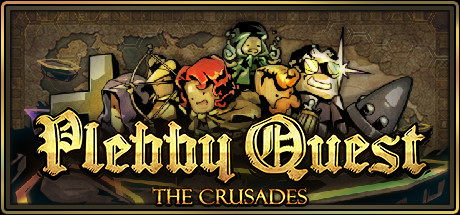
- Humorous dialogue and engaging story
- Enjoyable combat resolution system
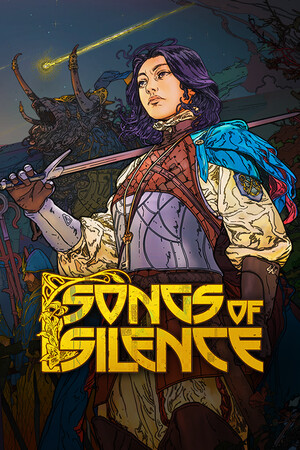
- Charming and cute art style
- Great for beginners to strategy
- Simplified grand strategy experience
- Highly addictive and fun gameplay
Emotions
Archetypes
What players like:
Common complaints:
Gameplay feedback:
Performance notes:
- -
No data available
Recommendations:
Other player notes:
Similar games
Blend with other games





Review evidence
Why players say this
Review evidence
Why players say this
Steam review verdict
Charming art, witty dialogue, and addictive, beginner-friendly strategy combat make this simplified grand strategy a joy, though veterans may find its depth limited.
What players like
Humorous dialogue and story: Dialogue is amusing and fun, with story mode banter that is entertaining. The humorous tone and writing add to the game's charm.
Enjoyable combat resolution: Combat resolution is very enjoyable, with battles that require strategy and smart decisions. The combat system rewards good deployment and timing.
Charming and cute art style: The art style is widely praised as interesting, cute, distinctive, and thoughtfully made, with block-style characters that are charming. The visuals and style are consistently highlighted as a plus.
Great for beginners: It is good for easily learning this type of game, suitable for beginners just starting strategy games. It serves as an entry-level game and a gateway for newcomers.
Simplified strategy game: It is a simplified strategy game, relatively simple but with enough depth. The simplification makes it accessible and less complex.
Common complaints
Annoying repetitive mini-games: Mini-games, especially coin flips, are seen as annoying and repetitive, particularly in longer play sessions. Many players find them frustrating and unnecessary.
Combat lacks depth: Players frequently describe combat as shallow, boring, and lacking strategic depth. The morale system can also cause frustrating retreats even when winning.
Shallow gameplay and low replayability: The overall gameplay is considered shallow, with repetitive mechanics and few variables, leading to boredom and low replayability. Many find the game gets old quickly.
Late game becomes tedious grind: The end game turns into a frustrating and repetitive grind, with tedious operations that feel like a chore. This diminishes the overall experience.
Simplistic diplomacy and truce systems: Diplomacy is criticized as overly simplified, and truce conditions are considered too basic. This reduces strategic depth in international relations.
Gameplay and performance
Mini-games variety: Mini-games are present each turn and include activities like tile matching, coin toss, Bejeweled-style matching, and Mastermind puzzles. They are used for resource collection and additional rewards.
Freedom mode with country selection: A free mode lets players choose countries or factions on a large map, though some versions limit playable nations to top powers. This mode offers open-ended conquest.
Chapter-based story mode: The story mode is divided into five chapters with interconnected progress and scripted events. It is a significant component praised for its structure.
Turn-based strategy combat system: The game combines turn-based grand strategy with real-time combat command, similar to Total War. This hybrid approach is frequently mentioned across multiple clusters.
Diplomacy and alliance systems: A diplomacy system allows maintaining relations, signing military alliances, trade agreements, and managing envoys. It is a core feature mentioned across multiple clusters.
Recommendations
Beginner-friendly grand strategy: Many reviewers recommend the game as an excellent entry point for newcomers to grand strategy or 4X. It is easy to pick up and suitable for those who want a less complex experience.
Wait for a sale: Many suggest buying only on discount or at a low price. At full price, it may not be worth the cost for some players.
Mixed or negative reviews: Some reviewers do not recommend the game due to design choices, balance issues, or lack of depth. A few strongly advise against purchasing.
Good for casual play: Players recommend it for casual time-killing and lighter strategy sessions. It is suitable for those who don't want to overthink or invest heavily.
Positive but with caveats: Some reviewers give a weak thumbs-up or recommend it with reservations. They acknowledge shortcomings but still find it worth trying.
Buying context
Community fair range: $9.99 - $14.99.
Game completion: 81.0h.
Story completion: 60.0h.
Reports mix immediate addictive appeal, especially in tutorial/scenario and early chapters, with frequent later boredom and tedium; the strongest pattern is fun then drops.
Friction: Long, restrictive tutorial that limits purchases and actions; Repetitive clicking and box-mashing; Tedious mini-games with repeated animations and dialogue; Shallow combat and repetitive empire management; Slow, unbalanced progression and grind; Immortal bandit camps that add no early fun.
Player profiles
Casual Grand Strategy Newcomer: Plays casually through tutorials and story mode, avoiding deep optimization or complex systems. Motivation: To learn and enjoy grand strategy in an accessible, low-complexity format. Stance: buy.
Paradox/CA Veteran Optimizer: Optimizes general builds, army composition, and action-point economy while systematically exploring all mechanics. Motivation: To enjoy a lighter, faster grand strategy that still offers systemic depth and optimization without late-game bloat. Stance: buy.
Comedy Story and Character Fan: Plays story mode primarily, watches dialogue like an anime, and engages with character shipping and fandom. Motivation: To enjoy humorous dialogue, characters, and a light story-driven comedy. Stance: buy.
Other review notes
Compared to Crusader Kings: Many reviewers compare the game to Crusader Kings, calling it a simplified, smaller, or casual version. Some describe it as successful in that role, while others see it as a degraded imitation.
DLC and additional content: The game received DLC including Alliance Wars and Land of Chaos, but some content like campaigns are locked behind future DLC. One DLC was released before the game was abandoned.
Game abandoned by developers: Feedback repeatedly states the game is no longer updated, abandoned after one year or one DLC, and the studio disbanded. This lack of ongoing support is a major concern.
Simplified Europa Universalis influence: The game is compared to a simplified Europa Universalis, described as a youth version or easier to understand. It streamlines complex mechanics from Paradox titles.
Comparisons to Total War: Players frequently compare the game to Total War, mentioning its grand strategy scale, combat, and internal affairs. Most agree it falls short of Total War's depth.