- Fully free-to-play with no paywalls
- Responsive developers engage with community
- Engaging story and memorable characters
- Poor monetization with gacha mechanics
- Excessive grinding harms long-term enjoyment
- Unpolished launch with numerous bugs
Emotions
What players like:
Common complaints:
Gameplay feedback:
Performance notes:
Recommendations:
Other player notes:
Similar games
Blend with other games





Review evidence
Why players say this
Review evidence
Why players say this
What players like
Fully free-to-play model: All characters, weapons, and core content are obtainable without spending money, eliminating paywalls or gacha mechanics for progression. Players appreciate the lack of stamina systems and the ability to grind freely for upgrades.
Responsive and transparent developers: The development team is commended for actively listening to community feedback, addressing bugs quickly, and communicating updates transparently. This has fostered trust and improved the game post-launch.
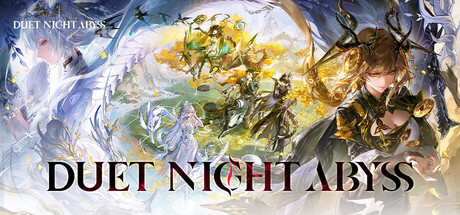
Engaging story and characters: The game's narrative, character development, and dual-perspective storytelling are frequently praised for their depth, emotional impact, and creativity. Players highlight the well-written arcs, strong voice acting, and immersive world-building as standout features.
High-quality visuals and audio: The anime-inspired art style, detailed character models, and well-composed soundtrack are consistently praised. The English and Japanese voice acting, along with immersive sound design, enhance the overall experience.
Unique blend of genres: The game successfully merges elements from *Genshin Impact*, *Wuthering Waves*, and *Warframe*, offering a fresh take on anime-style action RPGs. The dynamic combat and hack-and-slash mechanics appeal to fans of these titles.
Common complaints
Poor monetization and gacha remnants: Monetization is aggressive, with expensive skins, gacha-like mechanics, and no pity systems. Many systems (e.g., skin banners) retain gacha traits despite the model's removal.
Excessive and tedious grinding: Grinding for Demon Wedges, characters, and upgrades is repetitive and time-consuming, often requiring AFK play. High-tier content demands unrealistic time investments (e.g., 2000+ runs).
Weapons feel useless: Weapons act as stat sticks with negligible damage output, making combat ability-spam focused. Melee/ranged weapons are underutilized, reducing build diversity.
Unclear development vision: Developers lack a clear roadmap, ignore feedback, and focus on minor patches over core issues. Communication is insincere (e.g., selective surveys).
Uninspired Warframe clone: The game borrows heavily from Warframe (missions, movement) but lacks depth, polish, and innovation, feeling like a downgraded version with slower mechanics.
Gameplay and performance
Ability-spam combat system: Combat relies heavily on spamming character abilities, with weapons acting as stat sticks. This simplifies gameplay but may limit tactical depth or weapon variety.
Elemental damage modifiers: Characters and enemies have elemental affinities, with damage multipliers (e.g., 400% for effective matchups). This adds strategic depth to team composition and combat.
Limited co-op implementation: While co-op modes exist (e.g., Immersive Theatre), they are underdeveloped or niche. Multiplayer features are not a core focus of the game.
Character-specific endgame: Endgame modes like Maze and Theatre require specific character types, adding replayability but also restricting player freedom in builds.
Repetitive mission design: Level and mission design is often criticized as repetitive, with limited variety in objectives or environments. This contributes to grind fatigue.
Mixed PC optimization performance: The game runs well on mid-to-high-end PCs but suffers from poor optimization on lower-end hardware, with high RAM consumption and DX12 issues. Performance has improved since launch but remains inconsistent across systems.
Performance improvements with patches: Optimization has steadily improved with patches, including the 1.1 update, reducing lag and addressing some of the initial performance issues. DLSS and frame generation help stabilize FPS.
Linux/Steam Deck compatibility issues: The game faces login and compatibility issues on Linux-based systems, including Steam Deck, due to Proton and anti-cheat (ACE) problems. Some users cannot log in or launch the game.
Handheld performance limitations: On SteamOS handhelds, the game runs at 30-45 FPS, which may not provide an optimal experience for players seeking higher performance on portable devices.
Recommendations
Game recommended for grind enthusiasts: The game is frequently recommended for players who enjoy grinding, character collection, and progression-heavy gameplay without excessive monetization. Many reviews highlight its suitability for fans of Warframe, MapleStory, or gacha-style grinding.
Free-to-play with low commitment: The game is widely recommended as a low-risk, free-to-try experience, especially for players curious about anime-style games or those tired of gacha mechanics. Casual play is encouraged to avoid burnout.
Potential for future improvements: Many reviews acknowledge the game's potential but advise waiting for major updates (e.g., patches 1.4–2.0) or checking back in 6–12 months. Developer responsiveness to feedback is noted as a positive sign.
Niche appeal for specific players: The game is positioned as ideal for players who dislike gacha pressure, prefer relaxed progression, or enjoy anime aesthetics without competitive demands. It’s not recommended for those seeking polished or fast-paced experiences.
Developer support encouraged: Some reviews urge players to support the developers despite flaws, citing their efforts to innovate in the anime space and responsiveness to feedback. This is often tied to hopes for future improvements.
Platform notes
Steam Deck: The Steam Deck and Linux experience for this game is severely hindered by multiple critical technical barriers. The kernel-level anti-cheat (ACE) is the most impactful issue, rendering the game non-functional on these platforms. Additionally, login screen failures, broken controller support, and the need for Proton workarounds further degrade the user experience. Performance and optimization issues compound these problems, making the game difficult or impossible to play without significant tinkering.
Extra review signals
Monetization: Duet Night Abyss (DNA) attempted to pivot away from its gacha roots late in development, removing character/weapon gacha in favor of a farmable progression system. While this change was positively received, the game's monetization and design still reflect its gacha origins, leading to significant criticism. The cosmetic gacha remains predatory, with skins costing up to $200 for a guaranteed pull, and the game's balancing and progression systems feel outdated due to their gacha-centric design. Additionally, the monetization is overpriced and confusing, further detracting from the user experience. Despite these flaws, the removal of the character/weapon gacha is a notable positive, offering a fairer progression system for players.
External guides: The user feedback highlights a strong dependency on grinding for progression, particularly for demon wedges (mods), which forces players into repetitive farming loops. While the game excels in providing in-game guidance for resource acquisition, reducing wiki dependency, it suffers from high crafting costs and technical issues. The primary pain point is the mandatory grind, which aligns with the 'Grinder' archetype and overshadows other concerns like inventory management and performance.
Other review notes
Assets resemble Warframe: Players note direct similarities to Warframe, including copied tilesets (e.g., Orokin towers) and character designs (e.g., Mesa), raising concerns about originality.
Patch 1.1 fixes lack communication: While developers addressed hundreds of issues in patch 1.1, players criticize the absence of clear updates or transparency about changes, leading to frustration.
Proton workarounds for graphics: Players highlight community-driven solutions like DWProton to address major graphics issues, suggesting official support is lacking. This workaround indicates a significant demand for native fixes.
Quality-of-life improvements added: Features like holding X to catch up to teammates and auto puzzle unlocks are praised as helpful QoL updates, enhancing accessibility and gameplay flow.
Tutorial overwhelms new players: The tutorial questline is criticized for bombarding newcomers with excessive information, making onboarding difficult and discouraging.