- Outstanding multiplayer collaboration and teamwork
- Creative building and crafting mechanics
- High replayability with deep customization
- Excessive grind and time commitment
- Frequent bugs and poor optimization issues
- Complex mechanics with steep learning curve
Emotions
What players like:
Common complaints:
Gameplay feedback:
Performance notes:
Recommendations:
Other player notes:
Similar games
Blend with other games




Review evidence
Why players say this
Review evidence
Why players say this
What players like
Outstanding multiplayer collaboration: The game excels in fostering teamwork and community-driven gameplay, with mechanics like professions, laws, and trade encouraging interdependence. Players highlight the unique societal simulation and immersive multiplayer experience as core strengths.
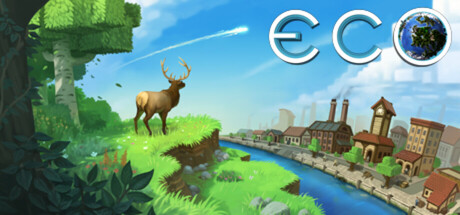
Creative building and crafting: Building and crafting are central to the gameplay, with deep mechanics for construction, resource management, and creative expression. The voxel-based system allows for expansive and detailed creations, similar to Minecraft but with added complexity.
High replayability and customization: With diverse professions, server settings, and mod support, the game offers extensive replayability. Players can tailor their experience to solo, cooperative, or large-scale multiplayer modes.
Educational and real-world value: The game teaches concepts like economics, politics, ecology, and teamwork through immersive gameplay. Players appreciate its ability to simulate real-world scenarios and foster critical thinking.
Active and passionate development: The developers are highly engaged, regularly updating the game based on player feedback. Their transparency and dedication to improving the game are frequently highlighted as major positives.
Common complaints
Excessive Grind and Time Commitment: Progression is slow and grindy, requiring significant time investment (e.g., 30+ days for asteroid objectives). Tasks like resource gathering and skill leveling feel repetitive and tedious, making the game inaccessible for casual players.
Frequent Bugs and Poor Optimization: The game suffers from numerous bugs (e.g., animals teleporting, items disappearing) and performance issues (low FPS, crashes). Poor optimization and long-standing glitches (e.g., falling through the world) disrupt gameplay.
Complex and Unintuitive Mechanics: The game features overly complicated systems with poor explanations, such as unlisted requirements for buildings, unclear profession interrelations, and steep learning curves. Players struggle with mechanics like needing specific resources (e.g., 4 lasers) without guidance.
Poor Tutorial and Onboarding: The tutorial is unfriendly, untranslated, and fails to explain core mechanics (e.g., skills, professions). New players face a steep learning curve with inadequate guidance, leading to frustration.
Cumbersome UI and Inventory Management: The UI is clunky, laggy, and poorly designed, with issues like tool degradation and inability to multi-select items. Crafting systems are time-consuming due to inefficient workflows.
Gameplay and performance
Environmental and Ecological Mechanics: The game features intricate environmental systems, including pollution management, resource depletion, and ecological balance. Players must collaborate to mitigate negative impacts like deforestation or CO2 emissions.
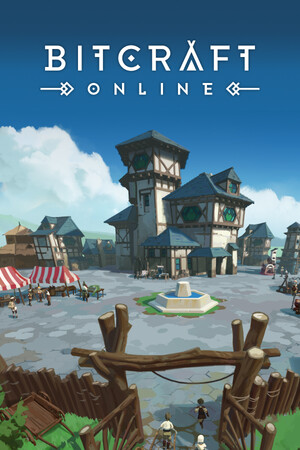
Multiplayer-Centric Civilization Simulator: The game is heavily focused on multiplayer interactions, requiring collaboration among players to build and manage a society. Public and private servers facilitate large-scale cooperative gameplay with role specialization.
Complex Economic and Political Systems: Players engage in deep economic simulations, including trade, currency creation, supply chains, and market dynamics. Political systems allow for governance, lawmaking, and societal management, often requiring teamwork to navigate.
Community and Social Interaction Tools: The game fosters social dynamics through chat, contracts, and roleplaying (e.g., mayor, trader). Community-driven goals, like meteor defense, encourage collaboration and shared narratives.
Profession Specialization and Interdependence: Players choose from a variety of professions (e.g., farmer, blacksmith, scientist), each with unique skills and dependencies. Collaboration is essential, as no single player can master all roles.
Persistent server connectivity problems: Players report consistent issues with server connections, including disconnections, lag, and inability to join or maintain stable multiplayer sessions. Server accessibility and configuration problems exacerbate these issues, particularly under load.
Game-breaking bugs and glitches: Numerous gameplay-disrupting bugs, such as teleportation glitches, collision physics issues, and asset loading failures, persist despite updates. These issues often require restarting the game to resolve temporarily.
High hardware requirements: The game demands high-end hardware to run smoothly, with poor performance reported even on systems exceeding recommended specifications. Memory leaks and optimization issues contribute to this problem.
Regional server limitations: The lack of regional servers results in high ping for many players, negatively impacting multiplayer experiences. This issue is particularly frustrating for those outside major server hubs.
Recommendations
Best for group play: The game is highly recommended for cooperative multiplayer, emphasizing teamwork, community collaboration, and long-term engagement. Solo play is discouraged due to reliance on others for progression.
Ideal for builders and strategists: Players who enjoy crafting, construction, ecology, and complex systems will find the game rewarding. It appeals to fans of Minecraft, Factorio, and management simulations with added social depth.
Server selection critical: Gameplay quality varies by server. High-collaboration or well-populated servers are recommended for the best experience, while solo or low-activity servers may lead to dissatisfaction.
Technical and design flaws: Criticisms include frustrating design choices, technical issues, and excessive time commitments. Some players refunded the game due to these problems.
Mixed value for price: Opinions on the game's value are divided. Some find it worth the price for its depth and uniqueness, while others criticize it as overpriced or not worth the hassle, especially with technical issues.
Platform notes
Steam Deck: The Steam Deck experience for this game is hindered by several technical barriers, primarily unreadable UI text and uncertain controller support. While the game is playable, users report performance inconsistencies and misleading in-game information, which detract from the overall experience. The most critical issue—unreadable text—directly violates the Steam Deck's usability standards and requires immediate attention.
Extra review signals
Monetization: The game exhibits multiple high-severity predatory monetization patterns, including consumable blueprints (forcing repurchases), premature monetization during early access, and paywalled content in a paid game. While cosmetics are the primary MTX focus, their overpricing and the inclusion of premium functional items (e.g., building materials) raise concerns about pay-to-win potential. The monetization strategy is layered atop a base game cost, creating a 'double-dipping' effect that frustrates players.
External guides: The primary issue across user feedback is the inadequacy of the game's wiki and instructional systems. Players consistently report that the wiki is incomplete, outdated, or frequently reset, forcing them to rely on external resources or trial-and-error to understand mechanics, crafting requirements, and item details. The lack of in-game explanations further compounds these frustrations, creating a steep learning curve and disrupting the overall user experience. Community morale is also impacted by the volatility of the wiki, which undermines trust in the official resource.
Other review notes
Early access expectations: Players acknowledge the game is in early access with a full release planned later. Hardware requirements are considered reasonable for the current state.
AFK playtime and server issues: Playtime metrics include AFK hours due to server list being left open, and the game progresses even when offline. Players highlight persistent server management problems.
Development team and monetization shifts: Changes in the development team and monetization strategy have impacted the game’s development pace and priorities, causing mixed reactions among players.
Long-term player dedication: Some players have invested significant time (e.g., 1,269 hours) and appreciate the long-term development efforts over the years.
Multilingual and age-appropriate: The game supports multiple languages (e.g., English and German) and is suitable for teens and adults, broadening its accessibility.