- Enjoyable new content and enhanced immersion features
- Good sound design and positive franchise continuation
- Lack of innovation and value for money
- Outdated graphics and poor optimization
- Numerous bugs and performance issues
- Flawed Conductor Mode and AI
Emotions
What players like:
Common complaints:
Gameplay feedback:
Performance notes:
Recommendations:
Other player notes:
Similar games
Blend with other games 83%Train Sim World® 7
 80%Railroad Corporation 2
 80%Thomas & Friends™: Wonders of Sodor
 77%Derail Valley
 77%Spirit City: Lofi Sessions - All Aboard!
 77%Railroads Online
 77%Transport Fever 2
 76%City Transport Simulator 2026
 76%RUNNING TRAIN | 走ル列車!
 76%Sid Meier's Railroads!
 76%LOTUS-Simulator
 76%Railway Empire 2
Review evidence
Why players say this
Review evidence
Why players say this
What players like
Enjoyable New Content: Players are very happy with the new locomotives and routes, especially highlighting the variety of new trains and the overall enjoyment derived from driving them. The inclusion of diesel trains was also a welcome change.
Enhanced Immersion Features: The addition of high-quality station and train announcements significantly improves immersion. Players also appreciate new random events and train faults that add variety and spice up gameplay.
Good Sound Design: Specific train sounds, such as the Baureihe 294 and the interior of the Baureihe 146, are well-received for their quality and immersive feel. There's also a slight improvement noted in ambient sounds.
Positive Franchise Continuation: Many players view this release as a strong continuation of the series, appreciating the developers' efforts to keep the franchise alive and deliver a quality experience that surpasses previous titles.
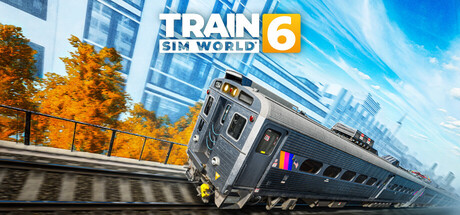
Visual & Atmospheric Upgrades: Players praise the improved graphics, particularly on routes like the Cornish Riviera, and appreciate the enhanced lighting and dynamic weather systems, including volumetric clouds and fog, which add to the game's atmosphere.
Common complaints
Lack of Innovation and Value: Players feel the game offers minimal new content and innovation, resembling a re-release of previous versions rather than a new installment. This leads to a perception of poor value for its price, with many features feeling dated or copied.
Outdated Graphics and Optimization: Reviewers criticize the game's graphics for being outdated and lacking modern options like DLSS or Ray Tracing. Performance issues like pop-in, flickering, and general poor optimization are prevalent, even on new routes.
Numerous Bugs and Performance Issues: The game is plagued by a high number of bugs, including frequent crashes, stuttering, and frame rate drops. Many of these are old bugs carried over from previous titles, indicating a lack of consistent fixes and polish.
Flawed Conductor Mode and AI: The Conductor Mode is reported as broken or unfinished, with issues like non-recognition of station arrivals and a lack of passengers. AI traffic and passenger animations are also criticized for being unrealistic and stiff.
Disappointing German Route Content: The new German route is seen as a mere extension of an existing one, lacking new trains and significant visual overhauls. Players are disappointed by the absence of new German rolling stock and bland scenery.
Gameplay and performance
Incremental Series Updates: Players perceive the game as an incremental update to previous versions (TSW3, TSW2020), suggesting a lack of significant new features or changes that would differentiate it as a full new iteration. It builds upon existing foundations rather than introducing revolutionary elements.
Random Faults and Events: The game incorporates random events and errors, which some players find disruptive. The ability to disable these features suggests a mixed reception, with some preferring a more predictable gameplay experience.
Locomotive Sound Issues: Specific locomotives, such as the Baureihe 204, 364, and 185, are noted to have sound issues, including quiet signal horns and a need for general sound overhauls. This indicates a desire for more immersive and accurate audio design.
New Announcements and Speed Reductions: The game introduces new announcements and speed reductions as features, which are expected to be present on all new routes. This suggests an effort to enhance realism and operational complexity.
Adherence to Driving Rules: One player noted their focus on adhering to speed limits and semaphores, indicating an appreciation for realistic train operation and signaling systems within the game.
Poor performance and optimization: Many players report severe and constant FPS drops, freezes, and stutters, even on high-end PCs. The Unreal Engine appears poorly optimized, leading to crashes during environment loading. Some users found workarounds with custom settings.
Slight performance improvement: Some players note a marginal improvement in performance compared to the previous title, but emphasize that further optimization is still necessary. Micro stutters persist despite these minor gains.
Recommendations
Mixed purchase recommendations: Player sentiment is highly divided regarding purchasing the game. Many advise against buying it now, suggesting waiting for sales or patches, while others recommend it for train enthusiasts or those who accept its current state.
Future content requires TSW6: Players note that TSW6 will be necessary to access future content releases, implying an upgrade path for continued engagement with the series.
Route preference influences purchase: Some players recommend the game specifically if they enjoy the included routes or have a personal connection to them, indicating that route selection is a key factor in their satisfaction.
Refunds requested: A number of players have requested refunds, indicating significant dissatisfaction with their purchase experience.
Strong recommendation for train fans: A segment of players highly recommends the game to those who are passionate about train driving simulations, highlighting its appeal to the core fanbase.
Other review notes
DLC-focused business model: The game follows a typical DLC business model, with the standard version essentially being a bundle of three DLCs. While some players understand the financial reasons, others suggest core features should be free with new routes bundled, or that other simulators use DLC sales to improve the base game.
Desire for more route variety: Players express a strong interest in more diverse routes, particularly within specific regions like Germany, Austria, Switzerland, and New Jersey. There's also a hope for new features to be backported to older routes.
Minimal new features: Players feel the game offers very few new features compared to its predecessor, TSW5, with many core elements like the loading screen remaining identical. This leads to a perception of the game being a re-release rather than a significant upgrade.
Free upgrade/starter pack available: A free upgrade or starter pack from older Train Sim World versions to TSW6 is available for a limited time. This allows players to access the base game without purchasing the full new version, though some confusion exists regarding what is included.
Desire for platform consolidation: Many players suggest moving away from yearly releases to a single, continuously updated platform. They believe new game versions should only be released for major technological upgrades, such as a shift to Unreal Engine 5 or the introduction of multiplayer.