- Visually stunning remaster experience.
- Developed with passion; offers great value.
- Features engaging, fluid combat system.
- Possesses a deep, engaging narrative.
- Navigation and level design are confusing.
- Voice acting and dialogue are poor.
Emotions
What players like:
Common complaints:
Gameplay feedback:
Performance notes:
Recommendations:
Other player notes:
Similar games
Blend with other games 83%Little Witch Nobeta
 82%Legacy of Kain: Defiance Remastered
 82%FAIRY TAIL 2
 82%Tales of Berseria™
 82%Phantom Brave: The Lost Hero
 81%Tales of Graces f Remastered
 81%Tales of Symphonia
 81%Legend of Mana
 81%Echoes of the End
 81%SaGa Frontier 2 Remastered
 81%Beloved Rapture
 81%RAIDOU Remastered: The Mystery of the Soulless Army
Review evidence
Why players say this
Review evidence
Why players say this
What players like
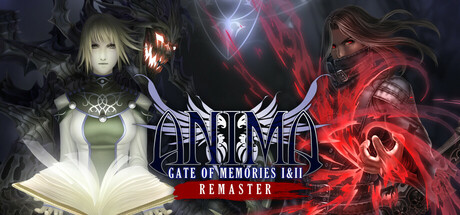
Visually Stunning Remaster: Players highly praise the game's art style, graphics, and overall atmosphere, noting its aesthetic appeal and dreamlike quality. The remaster specifically receives accolades for its significant technical and visual overhaul, including updated textures, lighting, character models, and environmental details. This makes the game feel fresh and modern while retaining its original charm, creating a vibrant and immersive world.
Passionate Development & Great Value: The game is perceived as a labor of love, with players recognizing the care and creativity invested in the Anima series by the small development team. This dedication, combined with the game's extensive content offered at a low price, makes it feel like a worthwhile and valuable purchase. It's often called a 'steal' for its quality.
Engaging & Fluid Combat System: The combat is consistently described as dynamic, fast-paced, fluid, and challenging yet gratifying. Players appreciate the responsive controls, varied boss mechanics, and the strategic layer added by character switching. The balanced difficulty, clear command response, and smooth action contribute to a highly enjoyable experience.
Deep and Engaging Narrative: The game's lore is highlighted for its depth and complex world-building, offering a mysterious and fascinating universe. The story is found to be engaging, quickly hooking players with its dark and emotional core. This narrative is presented in a way that feels like diving into a living myth, with its tragic beauty now wrapped in a worthy presentation.
Smoother Controls & Performance: Players note significant improvements in control responsiveness and overall game fluidity. Specifically, smoother controls, more precise inputs, and a more responsive dynamic camera system contribute to a much more pleasant and stable gameplay experience. These enhancements also include positive changes to jumping mechanics, making the game feel more accessible.
Common complaints
Confusing navigation and level design: A major pain point is the game's labyrinthine level design combined with a distinct lack of player guidance, clear objectives, or helpful markers/journals. This leads to frequent aimless wandering, easily missed key objects, and frustratingly uncommunicative puzzles.
Poor voice acting and dialogue: Players consistently reported that the game's voice acting is bad, poorly delivered, and the dialogue often comes across as cringeworthy. Many felt these aspects should have been re-recorded or revised for the remaster.
Problematic platforming mechanics: Players frequently encountered issues with the game's platforming sections, specifically mentioning ill-timed and generally problematic mechanics that detract from the gameplay experience.
Weak progression and inventory: The game's progression and inventory management systems are described as unremarkable, failing to stand out or offer compelling depth. Specifically, weapons are noted to have little meaningful influence on character development.
Gameplay and performance
Innovative dual protagonist combat: A standout feature is the dual protagonist system, allowing real-time switching during combat. This mechanic facilitates experimentation with different characters and combos, making combat functional and engaging.
Unique magic orb system: Magic users benefit from a distinctive 'dual magic orb cancellation' principle. This mechanic encourages players to acquire more skills, as doing so enhances their overall damage output.
Protagonist appearance imbalance: Some players noted an imbalance in the screen time or utility of the dual protagonists, specifically mentioning the male protagonist having limited appearances in their playthroughs. This suggests a potential issue with character balance or integration.
Collection bundles two ARPGs: This package combines two action RPG titles, Anima: Gate of Memories (2016) and The Nameless Chronicles (2018), offering players both games in a single collection.
Core RPG progression elements: The game features fundamental RPG mechanics such as a level system, purchasable extra powers, and items to enhance damage and defense, based on limited feedback.
Remaster suffers optimization issues: Players have reported that the game, being a remaster, exhibits common optimization problems. This suggests a need for performance tuning to improve the overall player experience.
Recommendations
Appeals to Anima Fans: The game is highly recommended for existing fans of the Anima Beyond Fantasy saga, offering a renewed experience and a better-presented edition of beloved titles. However, some feedback suggests it might not be the ideal entry point for players unfamiliar with the Anima universe.
Diverse Action RPG Gameplay: Players enjoy the game's blend of hack and slash combat, drawing comparisons to Devil May Cry, combined with lite-Metroidvania exploration. The open exploration, free from constant markers and allowing players to unravel the story at their own pace, is particularly appreciated.
Positive Reception & Future Interest: There's a general positive sentiment for the project's revival, with players expressing gladness to see it return to life and an eagerness to keep an eye on what's coming next. Many strongly recommend trying the game.
Other review notes
Low-budget TRPG IP: The game is a low-budget production from a small Spanish indie studio, rooted in the Anima: Beyond Fantasy tabletop RPG universe. Many players are discovering the IP through this remaster, while some have prior experience with the original games or TRPG.
Players early in experience: Many reviewers report having played only a few hours since release, or being halfway through the first of two included games. Despite limited playtime, they express enthusiasm to explore more content.
Camera changes disorient: A single piece of feedback indicates that rapid camera changes can cause disorientation, suggesting a potential usability or control issue for some players.
Estimated 10-12 hours gameplay: One piece of feedback suggests that at least one of the two games contained within the remaster offers approximately 10-12 hours of gameplay.