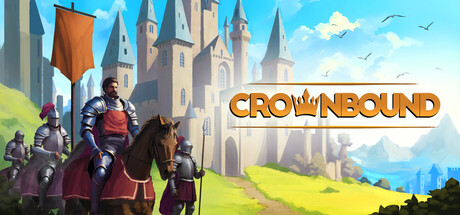
- Features hands-off, relaxing Majesty-style kingdom management.
- Offers rich, player-friendly economic management systems.
- Hero AI is frequently unreliable and flawed.
- Limited content leads to poor game value.
- Heroes die too easily; difficulty feels unfair.
- Promising game, but requires significant future updates.
Emotions
What players like:
Common complaints:
Gameplay feedback:
Performance notes:
- -
No data available
Recommendations:
Other player notes:
Similar games
Blend with other games



Review evidence
Why players say this
Review evidence
Why players say this
What players like
Promising Game with High Potential: Players generally enjoy the game, finding it well-polished for its price and full of potential for future development and balancing. Many expressed satisfaction with their initial playtime, appreciating specific elements like the music and localization.
Evokes Majesty-style Gameplay: A significant number of players strongly compare the game to the classic "Majesty" series, appreciating its similar hero management and strategic elements. This resemblance is a major draw, satisfying fans of that specific genre with a streamlined experience.
Rich, Player-Friendly Game Systems: Players noted the impressive variety in economy, hero options, and itemization, including unique guild-unlocked marketplace items. The game's selection of potions and equipment, combined with forgiving mechanics like resurrection, contributes to a deep yet welcoming experience.
Great for Quick Sessions: The game is highly praised for providing short bursts of fun, making it an excellent choice for quick gaming sessions. Its design perfectly suits taking breaks or filling short periods of downtime with engaging play.
Monks Overpowered Early/Midgame: Feedback indicates that Monks are currently too strong, being cheap, durable, and leveling quickly. Their high evasion and defensive abilities make them highly effective throughout much of the game, potentially unbalancing gameplay.
Common complaints
Unreliable hero AI: Heroes and NPCs frequently get stuck in environments or buildings, exhibit poor self-preservation, and make questionable tactical decisions like ignoring bounties or fleeing too late. This leads to frustration and often causes failures not due to player strategy but due to unit intelligence.
Limited content, poor value: Players find the game too short, lacking sufficient content for long-term engagement, and expensive for what it offers. This leads to quick boredom and a feeling that the game is not worth its price, especially considering its state at full release.
Heroes die too easily: A wide range of units, particularly expensive ones and early-game heroes, are perceived as too fragile, dying quickly before they can level up or become effective. This makes recruitment and progression frustrating, as units often aren't worth their high cost.
Unfair enemy difficulty: Players report that enemies are too numerous, fast, and have excessive range, leading to overwhelming hordes and sudden defeats, even on 'normal' or 'weakest' levels. The difficulty in Sandbox mode is also noted as disproportionately high compared to scenarios.
Various gameplay bugs: The game contains a range of bugs, from minor visual glitches like dead units remaining displayed to more significant issues like units being attacked from impossible distances, Guard Center progress blockers, and heroes getting stuck or not properly inheriting guild status.
Gameplay and performance
Hands-off, autonomous gameplay: Players interact indirectly, primarily setting bounties on targets or using attack flags, while units largely operate autonomously. This design fosters a more leisurely and observational playstyle, allowing players to watch their villagers and heroes in action.
Detailed economic systems: Taxation serves as a central economic element, complemented by specific costs for various guilds (e.g., 3000-5000 gold) and hero recruitment fees (around 1000 gold). Players also acquire upgrades through a dedicated market system.
Kingdom management, economy, heroes: The primary gameplay loop centers on players establishing and managing their kingdom, developing its economy, collecting heroes, and unlocking various upgrades to progress through the game.
Streamlined instant progression: Key actions like constructing buildings, recruiting heroes, and completing research projects occur instantly. This design choice removes traditional waiting times and significantly accelerates the pace of development and expansion.
Diverse sandbox and scenarios: The game offers a robust sandbox mode featuring randomly generated maps and escalating enemy difficulty, providing high replayability. Additionally, there is a selection of curated, handmade scenarios for structured gameplay experiences.
Recommendations
Await Future Updates: A notable segment of players advises delaying purchase until the game receives further development. They hope for improved balancing, more content, or general enhancements, with some planning to revisit the game in 6-12 months.
Mixed Purchase Advice: Player sentiment regarding purchasing the game is divided. While some recommend buying it now, often citing low price, others suggest waiting for sales, trying the demo, or even considered refunds, often due to current content or balancing.
Potential Long-term Retention: One piece of feedback indicates the game has the potential to be a permanent fixture in players' libraries, suggesting good replayability or lasting engagement for some.
Other review notes
Extensive new content requested: Players express strong desire for ongoing development, including new achievements, larger maps, infinite modes, and diverse gameplay features like defensive structures and specific unit types. Many are eager for continuous updates, suggesting the community is invested in the game's future, and bug fixes are also a priority.
Enhance polish and user experience: Feedback indicates a need for general polish, improved sound effects, and quality-of-life features such as a speed-up option. Players also desire better visual feedback for upgrades, clear notifications for special item acquisition, more efficient market item displays, and scenario event narration.
Refine hero AI and control: Players suggest enhancements to hero behavior, such as allowing heroes to flee at low health for better survivability. They also desire more strategic cooperation between different hero professions and the addition of a party ability for heroes to travel as a group.
Innovate beyond core inspirations: Some players feel the game is too derivative of its inspirations, specifically Majesty. They encourage developers to be bolder in adding new, unique systems rather than strictly adhering to established formulas, to forge its own distinct identity.
Adjust unit experience requirements: There's a suggestion to reduce the experience requirements for more expensive units. This indicates a potential concern with the pacing or balance of the progression system for higher-tier units.