- Highly addictive roguelike deckbuilder gameplay
- Strong strategic depth and customization options
- High replayability with unique content
- Balanced and rewarding difficulty progression
- RNG heavily influences gameplay outcomes
- Poor late-game experience and mechanics
Emotions
What players like:
Common complaints:
Gameplay feedback:
Performance notes:
Recommendations:
Other player notes:
Similar games
Blend with other games




Review evidence
Why players say this
Review evidence
Why players say this
What players like
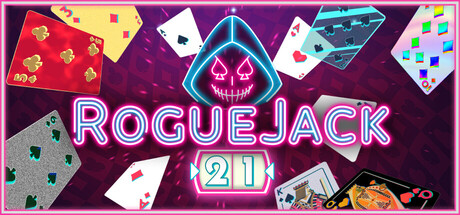
Highly addictive roguelike gameplay: Players consistently praise the game's addictive and intuitive gameplay, highlighting its unique blend of roguelike mechanics with casino-building and blackjack. The depth of strategies, trinkets, and synergies keeps the experience engaging and replayable.
Strong strategic depth and customization: The game offers significant strategic depth through deck manipulation, card counting, and rule-breaking synergies. Players appreciate the ability to customize their decks and trinkets to mitigate RNG and create diverse builds.
High replayability and content: Players highlight the game's high replayability due to multiple starting decks, unlockable trinkets, and escalating difficulty. The variety of builds and secrets ensures hours of engaging gameplay.
Unique and appealing concept: The game's premise of combining blackjack with roguelike deck-building is widely praised as fresh and innovative. Players love the twist on traditional roguelike mechanics and the incorporation of gambling elements.
Balanced and rewarding difficulty: The difficulty curve is well-balanced, offering an accessible early game that scales into challenging later tiers. Players find the progression motivating and the risk-reward elements satisfying.
Common complaints
AI and difficulty issues: The AI is perceived as unfair, with opponents winning regardless of player actions. Difficulty scaling is poor, with early stages being overly challenging and late-game content feeling trivial or underwhelming.
RNG dominates gameplay: Players report excessive reliance on luck, with AI opponents frequently benefiting from favorable RNG (e.g., hitting blackjack repeatedly). This reduces strategic depth and replay value, as skill has minimal impact on outcomes.
AI-generated art and writing: Widespread criticism of AI-generated art and dialogue, described as cringey, disjointed, and lacking authenticity. Players express skepticism about claims of non-AI usage.
Poor late-game experience: Late-game content is described as boring, with minimal interaction and overly easy enemies. Some builds or trinkets trivializes the experience, reducing engagement.
Uninspired design and execution: The game is perceived as lazy, half-baked, and uninspired, with disjointed art, underwhelming sound design, and a lack of polish. Players compare it unfavorably to similar games like Balatro.
Gameplay and performance
Roguelike Blackjack Deckbuilder: The game combines roguelike progression (permadeath, run-based unlocks) with Blackjack mechanics as the core combat system. Players build decks, manage trinkets, and aim for 21-point hands, similar to *Balatro* and *Slay the Spire*.
Balatro-Inspired Mechanics: The game heavily borrows from *Balatro*’s design, including joker-like trinkets, rule-breaking synergies, and a focus on combos. Comparisons to *Slay the Spire*’s run progression are frequent.
Strategic RNG and Luck Management: While RNG influences draws, players can mitigate randomness via trinkets, synergies, and probability-based strategies (e.g., card counting). Some builds even auto-complete 21-point hands, rewarding luck-based playstyles.
Meta Progression and Unlocks: Defeating the final boss unlocks new decks, trinkets, and achievements, creating long-term progression. Permadeath and tower-climbing mechanics add stakes to each run.
Unique Card and Trinket Systems: Cards include enchantments (e.g., water crystal, fate faces) and void cards (busting without point calculation). Trinkets offer passive effects (e.g., money-grabbing, damage), enabling creative synergies.
Frequent game crashes reported: Multiple players report crashes, particularly after combat or during general gameplay. This issue appears widespread and disrupts the gaming experience.
Demo version more stable: Players note that the demo version of the game did not exhibit the same crashing issues, suggesting a regression or new problem in the full release.
Recommendations
Highly recommended for genre fans: The game is strongly endorsed by players who enjoy roguelite deck-builders like Balatro or Slay the Spire, with many calling it a must-have for fans of the genre. Specific comparisons highlight its appeal to those who appreciate probability management and rule-breaking mechanics.
Demo recommended before purchase: Several players advise trying the demo first to gauge personal interest, suggesting the game may not universally appeal despite its strengths. This feedback is consistent and actionable for potential buyers.
Mixed engagement feedback: While many players praise the game, a notable minority report boredom, indicating potential variability in long-term appeal. This contrast underscores the importance of personal preference in enjoying the experience.
Other review notes
Dev personal support praised: Players appreciated direct assistance from developers in resolving technical issues, such as save file transfers. This level of support enhanced player trust and satisfaction.
Machine translation deemed non-critical: Players noted that machine translation errors were not a major concern, suggesting tolerance for minor localization issues as long as core gameplay remains unaffected.