- Iconic story, timeless masterpiece with rich world
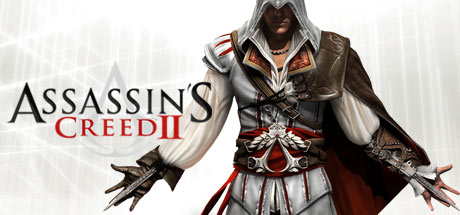
- Ezio Auditore is charismatic protagonist
- Stunning aesthetics and soundtrack
- Fluid parkour and engaging combat
- Outdated and clunky core gameplay
- Poor PC port with persistent bugs
Emotions
What players like:
Common complaints:
Gameplay feedback:
Performance notes:
Recommendations:
Other player notes:
Similar games
Blend with other games 88%Assassin’s Creed® Brotherhood
 84%Assassin's Creed™: Director's Cut Edition
 83%Assassin's Creed® Unity
 83%Assassin's Creed® Revelations
 81%Assassin's Creed® Syndicate
 81%Assassin's Creed Mirage
 80%Assassin's Creed® Origins
 79%Assassin's Creed® III Remastered
 77%A Plague Tale: Requiem
 77%Assassin’s Creed Shadows
 77%Assassin’s Creed® Rogue
 76%Assassin’s Creed® IV Black Flag™
Review evidence
Why players say this
Review evidence
Why players say this
What players like
Iconic Story & Timeless Masterpiece: Players consistently hail the game as a masterpiece and the best in the series, even after many years. Its story, world-building, and character writing are frequently praised, elevating the franchise to mythic status and setting a high standard for subsequent titles.
Enhanced Gameplay & Rich World: The game significantly improves upon its predecessor in every aspect, offering more fluid gameplay, dynamic assassinations, and diverse missions. The meticulously detailed open world of Renaissance Italy, with its vibrant cities and historical accuracy, is a major highlight, encouraging exploration and immersion.
Ezio Auditore: Charismatic Protagonist: Ezio Auditore da Firenze is universally loved and considered the best protagonist in the series. His compelling character arc, from a carefree noble to a wise master assassin, is deeply personal, relatable, and emotionally impactful, making his journey a defining element of the franchise.
Stunning Aesthetics & Soundtrack: The game's visuals, art direction, and soundtrack are consistently praised for holding up remarkably well despite its age. The atmospheric music, especially Jesper Kyd's compositions like 'Ezio's Family', enhances immersion and perfectly captures the historical setting, creating a memorable aesthetic experience.
Fluid Parkour & Engaging Combat: Both the parkour and combat systems are lauded for their improvements over the first game, offering smoother, faster, and more responsive movement and fighting mechanics. The variety in combat strategies and satisfying animations contribute to a highly enjoyable and engaging gameplay experience.
Common complaints
Outdated & Clunky Core Gameplay: Player feedback indicates that the combat system is simplistic, repetitive, and often relies on counter-attacks, leading to a boring experience. Controls are widely criticized across all platforms for being awkward, unintuitive, and clunky, especially compared to modern titles.
Poor PC Port & Controller Issues: The PC version of the game suffers from significant issues, including unplayable keyboard and mouse controls, lack of native controller support, and frustrating keybinding defaults. Many players report having to use workarounds or mods to get controllers to function properly.
Persistent Bugs & Technical Instability: The game is plagued by numerous bugs and technical issues, ranging from frequent crashes and freezing to broken mission markers, save data loss, and progression-blocking glitches. These problems significantly detract from the overall player experience.
Aged Graphics & Performance Problems: The game's graphics are consistently described as outdated and low-quality, showing its age. Beyond visuals, the game also struggles with optimization on modern PCs, leading to performance issues like stuttering, low frame rates, and difficulty adjusting to high-resolution monitors.
Ubisoft Connect Integration Problems: Many players express strong dissatisfaction with the mandatory Ubisoft Connect (formerly Uplay) launcher, citing issues with setup, login, account creation, and constant connectivity requirements. This often prevents players from even launching or playing the game they purchased.
Gameplay and performance
Expanded Core Gameplay: Assassin's Creed II refines the stealth and assassination mechanics from its predecessor, offering more sophisticated options like double hidden blades, hidden pistols, and various weapon types. It retains the open-world exploration, parkour, and stealth-based target elimination, building upon the original formula.
Customizable Controls with Learning Curve: While keybindings are customizable, players noted a learning curve to adapt to the controls, especially for parkour and combat. Many found that remapping controls improved the experience, suggesting an initial adjustment period is needed.
Rich Collectibles and Side Activities: The game significantly increases the number and variety of collectibles and side quests compared to the first installment. Players can find feathers, glyphs, treasure chests, and participate in races, assassination contracts, and explore secret assassin tombs, adding depth and replayability.
Open-World Renaissance Italy: The game is set in a vibrant open-world Renaissance Italy, featuring iconic cities like Florence and Venice. Players can freely explore these historically inspired environments, which serve as a backdrop for both main missions and numerous side activities.
Engaging Modern-Day Narrative: The game continues the modern-day storyline with Desmond Miles, who relives Ezio's memories through the Animus 2.0. His escape from Abstergo and search for artifacts tie into the overarching Assassin-Templar conflict.
Good Performance on Older Hardware: Many players report that the game runs well, even on older or less powerful PCs, integrated graphics, and portable devices like the Steam Deck. It generally achieves stable framerates at various resolutions, indicating broad accessibility.
Low Importance Feedback: Some feedback points were either too vague, isolated, or of very low quality to warrant detailed individual summaries. These include general comments on PC requirements, game size, server issues, and specific hardware performance anecdotes.
Recommendations
Highly Recommended Game: Many players strongly recommend this game, often citing it as a classic, a masterpiece, and one of the best in the series. It's considered a must-play for both new players and long-time fans of the Assassin's Creed franchise. Players often recommend purchasing it, especially when on sale.
Essential for AC Franchise: Assassin's Creed II is frequently highlighted as the ideal starting point for new players to the Assassin's Creed series, considered a significant improvement over the first game and foundational for the lore. Many suggest playing it to understand the series' peak and Ezio's character.
Deserves a Remake: Despite its status as a classic, some players believe Assassin's Creed II deserves a full remake to update its presentation to modern standards, aligning its timeless story with contemporary graphics.
High User Ratings: The game consistently receives high ratings from players, with many scores in the 8/10 to 10/10 range. This indicates a strong positive reception across the player base.
Revisit for Nostalgia: The game is recommended for those interested in revisiting older titles or experiencing a cult classic. Many players attribute part of their high ratings to nostalgia, but also acknowledge its continued appeal.
Other review notes
Nostalgic Childhood Favorite: The game holds a strong nostalgic value for many, often being a definitive childhood game or a first completed story. Players frequently replay it for sentimental reasons, often overlooking its age due to fond memories.
Ubisoft's Legacy Concerns: Some players reflect on this game as representing the 'peak Ubisoft' or the beginning of the end of their 'golden era.' There's concern about Ubisoft's current game development strategy and their history of server shutdowns affecting older titles.
Average Playtime: The game offers an average playtime, generally ranging from 10 to 30 hours for casual players focusing on the main story and more for completionists. This length is considered appropriate for its content.
Age and Historical Context: Released in 2009, the game is frequently acknowledged as an 'old game' that was revolutionary for its time. Its setting in Renaissance Italy and its release date are often highlighted, emphasizing its historical significance.
Missing Steam Achievements: Players note the absence of Steam achievements for the game, with achievements being handled through Uplay (now Ubisoft Connect). There is a desire for Steam to integrate these achievements.