- Stable and fun multiplayer
- Better graphics than Guild 2
- Great potential and improvement
- Disappointing compared to Guild 2
- Game abandoned by developers
- Full of bugs and glitches
Emotions
Archetypes
What players like:
Common complaints:
Gameplay feedback:
Performance notes:
Recommendations:
Other player notes:
- -
No data available
Similar games
Blend with other games







Review evidence
Why players say this
Review evidence
Why players say this
Steam review verdict
Stable multiplayer and improved graphics show great potential, but Guild 2 was better and this is now abandoned and buggy.
What players like
Stable and fun multiplayer: Multiplayer functionality has been rebuilt and is now stable, with no out-of-sync errors. Players find it fun and enjoyable, especially with friends, and it supports cooperative play.
Better graphics than Guild 2: Graphics are improved over The Guild 2, with stable and colorful visuals, though not at a 2022 standard. Players find them relatively good and better than the predecessor.
Good value and enjoyment: Overall, players find the game good, fun, and worth the price, especially for fans of the Guild series. It provides enjoyable gameplay and nostalgia.
Great potential and improvement: The game has huge potential and has improved significantly since early access, especially after Purple Lamp Studios took over. Players see it becoming a great game.
High customization and variety: The game offers many customization options for playthroughs, including numerous life paths and career paths. Players enjoy the variety and replayability.
Common complaints
Disappointing compared to Guild 2: Players overwhelmingly feel that the game is a watered-down, simplified version of The Guild 2, lacking its charm, content, and balance. Many consider it a poor sequel or spinoff that fails to live up to its predecessor.
Game abandoned by developers: Many players state that the game has been abandoned, with the last update in June 2023 and no further support. This has led to a perception that the game was never finished.
Poor UI and controls: The user interface and controls are described as terrible, clunky, confusing, and unintuitive, leading to frustration during gameplay.
Full of bugs and glitches: The game is criticized for having many bugs, including game-breaking ones, and performance issues like low FPS. These problems make the game nearly unplayable for some.
Waste of money and time: A handful of players feel the game is a complete waste of money and time due to its many issues and lack of fulfillment.
Gameplay and performance
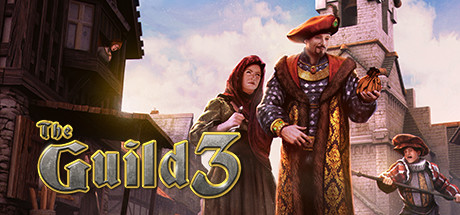
Medieval dynasty management simulation: Players highlight that the game is a medieval dynasty management simulation, blending life simulation, economic management, and political strategy across generations.
Mix of city builder and life simulation: The game combines elements of city building and life simulation, similar to The Sims and Anno, with strategy and RPG influences.
No building interiors: A notable criticism is that buildings lack interiors; workers perform activities outside, which some find disappointing.
Start poor and rise socially: Players can start as a poor family member, earn money, and climb the social ladder to become wealthy and powerful.
Management and micromanagement: Players engage in both broad management and detailed micromanagement of resources and operations.
Game crashes and stability problems: Crashes are frequently reported, occurring during server login, specific activities, or without error. Clusters 2, 7, 13, 14, 17, 18, 35, 36, 37, 39, 40, 50, 53, and 55 highlight various crash types.
Positive optimization and stability reports: Some reviews report good performance, smooth gameplay, and no bugs or crashes, especially on certain setups or after updates. Clusters 3, 5, 6, 23, 29, 32, 38, 42, 44, and 56 describe stable experiences.
Poor optimization and performance issues: Many reviews mention poor optimization and performance, including low FPS, lag, and stuttering on various hardware configurations. Cluster 1, 4, 10, 19, 46, 48, and 52 detail specific performance problems.
Performance improvements over time: Several reviews note that performance significantly improved after early access or specific patches, with fewer crashes and better FPS. Clusters 26, 31, 41, 44, 51, and 56 mention these enhancements.
Multiplayer instability: Multiplayer experiences are reported as not working or crashing frequently. Clusters 2 and 24 compare multiplayer stability to a predecessor, noting improvements but still problems.
Recommendations
Strong do-not-buy advice: Many reviews strongly advise against purchasing the game, often expressing anger or frustration, and suggest it is a waste of time or money.
Prefer older Guild games: A significant number of reviews recommend playing The Guild 1 or 2 instead of this title, often citing the older games as superior or less buggy.
Not recommended overall: A large number of reviews explicitly state that the game is not recommended, with some suggesting refunds or indicating they will not play again.
Possible for Guild 2 fans: A subset of reviews recommend the game to players who have enjoyed The Guild 2, especially those familiar with the series or seeking a successor.
Game is unfinished: Several reviews note that the game is far from finished or in an unplayable state, advising potential buyers to wait until it is more complete and has good reviews.
Buying context
Community fair range: $5.00 - $15.00.
Story completion: 3.5h.
Session length: 4.0h.
The Guild 3 offers entertaining early hours, but a slow onboarding and tedious late-game micro-management cause fun to drop after about 20 hours; multiplayer and automation are key to maintaining enjoyment.
Friction: slow early-game pacing and incremental progress; poor tutorial and lack of clear onboarding; clunky, unintuitive UI; tedious interactions (marriage, court cases, building repairs); janky AI that handicaps rival dynasties early.
Unlock drivers: learning systems through trial and error or skipping the tutorial; automating production and selling chains; reaching mid-game political progression (mayor/commander); playing with friends in multiplayer.
Player profiles
Franchise Veteran Nostalgist: Plays slowly, seeks political and economic depth, cheses intricate mechanics like office nominations and dynasty building. Often stops playing once they feel the game lacks the complexity of Guild 2. Motivation: Nostalgia and the desire to see the series return to its earlier depth and stability. Stance: no buy.
Multiplayer Socialite: Plays in co-op or versus sessions with friends. Focuses on multiplayer stability and out-of-sync fixes. Engages in feuds, trade wars, and cooperative building. Motivation: Social gameplay – competing or cooperating with friends in a shared medieval economy. Stance: sale.
Sandbox Economist: Patient, methodical. Focuses on acquiring businesses, managing supply chains, climbing the nobility ranks, and amassing wealth. Treats the game as a chill sandbox with unlimited replay value. Motivation: The satisfaction of building a economic empire, optimizing production chains, and roleplaying a medieval dynasty. Stance: sale.
Platform notes
Steam Deck: The Steam Deck experience is heavily impacted by unreadable UI text, frequent crashes, severe performance drops (sub-10 FPS), and problematic controls. These issues collectively prevent a smooth out-of-box experience and render the game unplayable for some users.