- Generous gacha system
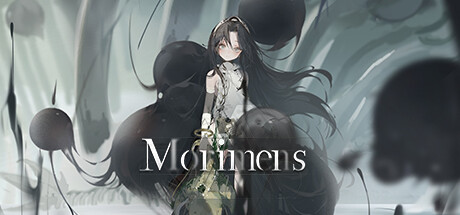
- Excellent character designs
- Beautiful art and style
- Card roguelike gameplay
- English translation awkward and error-prone
- Endgame HP inflation excessive
Emotions
Archetypes
Hardware
What players like:
Common complaints:
Gameplay feedback:
Performance notes:
Recommendations:
Other player notes:
Similar games
Blend with other games




Review evidence
Why players say this
Review evidence
Why players say this
Steam review verdict
Generous gacha, excellent character designs, and beautiful art pair with card roguelike gameplay, though the awkward English translation and excessive endgame HP inflation hold it back.
What players like
Generous gacha system: The gacha system is seen as very generous, with high rates, low pity, and plentiful rewards. Players often compare it favorably to other gacha games.
Excellent character designs: Many players praise the character designs as unique, beautiful, and high quality. The designs are often described as some of the best in the industry.
Beautiful art and style: The artwork and art style are widely praised as beautiful, unique, and high quality. The art direction is considered excellent.
Fun and enjoyable gameplay: The gameplay loop is consistently described as fun, engaging, and outstanding. Many players find it addicting and pleasant to play.
Gripping and engaging story: The story is frequently described as compelling, well-written, and enjoyable. Players find it interesting and well-constructed.
Common complaints
English translation awkward and error-prone: The English localization is often described as spotty, awkward, and sometimes poorly worded, with errors and unnatural phrasing that native speakers would not use. Some note it is understandable but still poor.
Russian translation is poor: Multiple reviewers report that the Russian translation is rough, machine-generated, and full of errors, sometimes forcing players to switch to English. Some describe it as alpha-level and unsatisfying for picky players.
AI translation harms story: Players frequently complain that ChatGPT-based translation makes the story and lore nearly impossible to understand, with confusing phrases and off-putting text in story mode. This is especially damaging since the story is a key selling point.
Endgame HP inflation excessive: Endgame content suffers from severe HP inflation, with bosses having 5–10 times more HP than before, making teams feel squishy and the mode unfriendly even to whales. This has made D-Tide and other endgame modes miserable for many.
Character maxing requires many copies: Reviewers repeatedly state that maxing a character demands up to 16 copies, with key mechanics locked behind duplicates. This duplicate-heavy design is seen as excessive and unfriendly.
Gameplay and performance
Card roguelike gameplay: Gameplay combines deckbuilding, roguelike runs, and turn-based card battles, often compared to Slay the Spire. This hybrid formula defines the core experience.
Gacha character collection: The game features a gacha system for obtaining characters and equipment through banners and pulls, with mechanics like pity and duplicate copies. This core monetization and collection loop is frequently mentioned across clusters.
Roguelite elements: Roguelite mechanics are present, with runs and progression systems that add replayability, often combined with card and deckbuilding gameplay.
Team building and deckbuilding: Deckbuilding is closely tied to team composition, with characters bringing specific cards and synergies. Team building is essential for progression and endgame content.
Endgame mode D-Tide: An endgame mode called D-Tide with multiple difficulty levels is highlighted as a major and enjoyable part of the game, providing long-term challenges.
High ping and latency issues: High ping, often several hundred to a thousand milliseconds, causes lag, input delay, and stutters especially in PvP battles. European and Hong Kong players experience particularly poor connections.
Poor optimization and performance: Players complain about worsening optimization, frame drops, and lag spikes, with mobile optimization being notably poor. The game runs horribly and lacks proper performance tuning.
Frequent crashes and freezes: Players report constant crashes within minutes of logging in, frequent freezes requiring full restarts, and unresponsiveness across both phone and PC. These issues make the game unplayable for many.
Game fails to launch: The game often gets stuck on 'logging into user space' after download or following an update, and reinstall or repair attempts do not resolve the issue. This prevents players from accessing the game at all.
UI glitches and slow menus: UI image display issues and long processing times for menu clicks are reported. The embedded web interface is also glitchy on Linux.
Recommendations
Strongly warn against game: Multiple reviewers explicitly tell new players to stay away and not play the game. This sentiment appears across several clusters and is the most frequent negative theme.
Recommended for Slay the Spire fans: Many reviewers recommend the game specifically to players who enjoy Slay the Spire or similar deckbuilder card games. This is a common positive comparison.
Do not spend money: Reviewers advise against spending money in the game, often citing its current state or unresolved issues. Some will not spend until changes are reverted.
Overall positive recommendation: Many reviewers give a straightforward positive recommendation, calling it a good game or highly recommended.
No longer recommended after updates: Recent updates have caused some reviewers to withdraw their recommendation and advise against playing. They state they cannot recommend the game anymore due to these changes.
Buying context
Community fair range: $0.00 - $0.00.
Story completion: 22.5h.
Session length: 0.7h.
Endgame: 200.0h.
Morimens is reported as quickly addictive for card-battler fans, with the actual card play and run experimentation hooking players early. The main counterweight is a steep, UI-heavy onboarding plus later gacha and grind friction that can blunt the initial fun for some.
Friction: Steep initial learning curve and dense systems; Clunky mobile-style menus, delayed buttons, and limited hover tooltips; Confusing early tutorial or pacing and unclear objectives; Heavy gacha, multiple currencies, and long-term character grinding; Repetitive or long battles and runs; Bugs, performance issues, and limited voice acting.
Unlock drivers: Pushing through the initial learning curve until mechanics click; Using the tutorial, glossary, and solo character trials; Finding a team and experimenting with two-realm combinations; Borrowing a strong co-op character to clear early farming hurdles; Changing characters or wheels for noticeable power and progression shifts; Generous free pulls and rewards that support team building.
Player profiles
Slay the Spire-Style Deckbuilder Purist: Plays solo PvE, experiments with card builds, and treats the game as a single-player deckbuilder rather than a gacha or PvP title. Motivation: Strategic deckbuilding and repeatable PvE roguelike runs. Stance: buy.
Lovecraftian Story and Atmosphere Seeker: Reads story chapters and events, collects art and lore, and plays casually for atmosphere rather than competition. Motivation: Immersion in Lovecraftian worldbuilding, character stories, and moody art and music. Stance: buy.
Competitive PvP Card Duelist: Focuses on PvP drafts and premade decks, learns matchups and counters, and treats PvP as a separate skill-based card game. Motivation: Competitive live card duels and outplaying opponents in a mostly gacha-free PvP mode. Stance: buy.
Platform notes
Performance reports are mixed for Windows systems under 8GB VRAM, with some low-end machines running well but frequent crashes also reported. The Windows 8-11GB VRAM cohort has only a negative crash report in the provided evidence.
Windows <8GB VRAM: mixed. Several users report frequent crashes, including during story chapters, while other low-end systems run the game well.
Windows 8-11GB VRAM: negative. The only included report says the game cannot be played because it keeps crashing.
Steam Deck: Steam Deck and Linux support is unreliable in this review set. Multiple users report that the game cannot launch at all, while others need Proton GE to run it. Linux-specific login and rendering bugs, crashes, relaunch failures, and missing controller support create high friction. Account and always-online requirements add further barriers. Isolated reports that Proton GE works do not offset the direct launch-failure evidence, so the experience falls in the broken range.
Linux and Proton: Linux/Proton support is workable but inconsistent. A known Proton GE workaround allows some users to play, and at least one review explicitly confirms Linux playability. However, multiple users report failed launches on Linux or Steam Deck, and those who get in still encounter Linux-only login-screen and rendering bugs. The consensus is not that the game is fully broken, but that out-of-box Linux support is unreliable and requires tinkering.
Extra review signals
Monetization: The audit finds strong direct evidence of real-money gacha, duplicate-driven power, layered battle passes and monthly cards, spending events, intermediate paid currency, and pay-to-win pressure in endgame and PvP. Some reviewers praise generosity and free-to-play access, but the core monetization model still includes paid randomized pulls and paid power, placing it in the predatory range.
External guides: The reviews show a strong external-data tax centered on a discontinued wiki, complex mechanics, and spreadsheet or guide consultation. Users report needing a spreadsheet, Google Doc, tier lists, and walkthroughs to make decisions, while the wiki is no longer a reliable information source. No farming, drop-rate, or loot-table evidence triggers Tier 1; the explicit spreadsheet and Google Doc reliance supports Tier 2, so the final score is 75.
Other review notes
Gacha monetization with banners: The game uses gacha mechanics with standard and limited banners. It is a free-to-play gacha game that offers a large amount of free pulls, mostly from the standard banner.
Free-to-play with optional donations: The game is free to play and can be enjoyed without spending real money. It optionally accepts donations or offers a donation system.
Most languages AI-translated: Most listed languages are AI translations, with English apparently done through AI. All languages except Japanese are AI-translated, though some translations were later improved by humans but are not yet complete.
Saya no Uta collaboration: The game had a collaboration event with Saya no Uta, which brought in some reviewers. This crossover is noted as a notable event.
Official Discord community: There is an official Discord community where players can ask questions and get genuine answers. Developers are active on Discord, and both English and Chinese servers exist for help.