- Engaging, innovative gameplay with impactful combat
- Superior to Doom Eternal experience
- Excellent performance and graphics
- Gameplay diverges from previous Doom
- Pacing and narrative issues
- Over-reliance on shield/parry mechanic
Emotions
What players like:
Common complaints:
Gameplay feedback:
Performance notes:
Recommendations:
Other player notes:
Similar games
Blend with other games





Review evidence
Why players say this
Review evidence
Why players say this
What players like
Engaging and Innovative Gameplay: Players consistently praise the game for its fresh, varied, and engaging gameplay, which introduces new mechanics while staying true to the series' core. The combat loop is described as addictive, satisfying, and offering more strategic depth, making it a standout entry in the franchise.
Superior to Doom Eternal: Many players consider this game an improvement over Doom Eternal, citing a more balanced pace, less complex mechanics, and a more grounded combat experience. It's frequently lauded for not being a mere sequel to Eternal but a distinct and successful evolution.
Impactful Weapons & Combat: The game's arsenal is highly praised for its unique, powerful, and satisfying weapons, including new medieval-themed additions. The combat system, blending ranged and melee attacks, feels visceral and impactful, with players enjoying the freedom to experiment with different loadouts.
Excellent Performance & Graphics: The game receives high marks for its stunning visuals, impressive graphics, and exceptional optimization. Players report smooth performance even with high settings and ray tracing, making it a technically polished and visually appealing experience.
Innovative Shield Mechanics: The new shield and parrying system is a major highlight, adding a fresh offensive and defensive layer to combat. Players find it incredibly satisfying to use for blocking, parrying, dashing, and attacking, making them feel like an unstoppable force.
Common complaints
Gameplay Divergence from Previous Doom: Many players feel the game deviates significantly from the established 'Doom' formula, particularly compared to Doom (2016) and Doom Eternal. Criticisms include slower combat, reduced mobility (lack of dash/double jump), absence of traditional glory kills, and a less satisfying weapon system. The game's overall feel, art style, and music are also perceived as a downgrade, leading to a less engaging and 'Doom-like' experience.
Pacing and Narrative Issues: The game is heavily criticized for its poor pacing, with frequent and lengthy cinematic cutscenes that disrupt the action. Players find the story uninteresting, generic, and often confusing, with unmemorable characters. Open-world level design, excessive collectibles, and repetitive mission structures contribute to a feeling of tedium and bloat, making the game drag on unnecessarily.
Repetitive Gimmick Levels: The inclusion of mech, dragon, and turret sections is widely disliked, with players finding them tedious, repetitive, and shallow. These segments are seen as unnecessary filler that break the game's flow and detract from the core 'Doom' experience, lacking depth and excitement compared to the main combat.
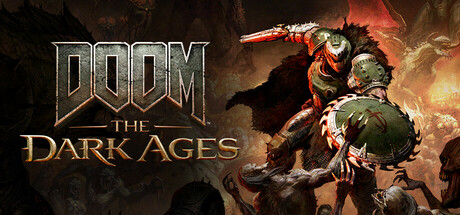
Over-reliance on Shield/Parry Mechanic: The new shield and parry system is a major point of contention. Players find it overused, clunky, and often inconsistent, leading to a more defensive and slower combat style that clashes with Doom's traditional aggressive gameplay. The forced slow-motion during parries and the inability to parry while weapon-swapping further disrupt combat flow and reduce player agency.
Unsatisfying Weapon System: The weapon arsenal is criticized for lacking variety, impact, and meaningful upgrades. Many players find little incentive to use the full range of weapons, often relying on one or two dominant guns (like the super shotgun). Slow weapon switching animations and the absence of weapon mods further contribute to a less dynamic and less rewarding combat experience.
Gameplay and performance
Shield-Centric Combat & Mechanics: The game introduces a versatile shield as a core mechanic, fundamentally changing combat. It's used for blocking, parrying, throwing, dashing, and even solving environmental puzzles, shifting the gameplay from pure offense to a more tactical 'stand and fight' approach. This new system is central to mastering the game's challenges.
Diverse Arsenal & New Weapons: The game features a wide array of weapons, including returning classics and innovative new additions like the Skull Crusher and Chain-Ball. Many weapons are designed to complement the new shield mechanics, offering varied combat options and contributing to the game's brutal, medieval-inspired aesthetic.
Larger, More Open Level Design: Level design shifts towards larger, more open, and sometimes semi-open-world maps, contrasting with the more linear and vertical layouts of previous games. These expansive environments encourage exploration for secrets and upgrades, though some players find them too large or lacking in consistent action.
Redesigned Glory Kills: The traditional 'Glory Kills' from previous Doom titles have been largely replaced or significantly altered. While some quick melee finishers and jump-triggered executions remain, the frequent, invulnerability-granting animations are less prominent, impacting the combat flow and resource management.
Mixed Optimization Quality: Player feedback on optimization is mixed. Many praise the game's smooth performance and stability, even on older RTX cards, citing excellent frametimes and quick loading. However, a significant portion of players report poor optimization, frequent crashes, and performance drops, particularly with ray tracing enabled or after updates.
Demanding PC Requirements: The game is highly demanding, primarily due to mandatory ray tracing, which significantly impacts performance. While some users report smooth gameplay on mid-range to high-end systems, many find it requires top-tier hardware for optimal settings and frame rates, especially with path tracing enabled.
Forced Ray Tracing: The game mandates ray tracing, which is a contentious point among players. While some appreciate the visual fidelity it adds, others criticize it for its heavy performance cost and the exclusion of non-RTX capable GPUs. There's a strong desire for an option to disable ray tracing for better performance.
Effective DLSS and Frame Generation: DLSS and Frame Generation technologies are highly effective in improving performance, especially when dealing with the demanding ray tracing and path tracing features. Many players rely on these to achieve stable and high frame rates.
Path Tracing is Visually Impressive but Demanding: Path tracing significantly enhances the game's lighting and reflections, making it visually stunning. However, it is extremely demanding on hardware, often requiring high-end GPUs and VRAM, with some users noting minimal visual difference for a substantial performance hit.
Recommendations
Mixed Value at Full Price: Many players recommend waiting for a sale or discount, suggesting the full price is too high for the content or current state. However, a significant portion still finds the game worth its full price, especially for fans of the genre or series.
Strong Recommendation for Fans: The game is highly recommended for fans of the Doom series and the FPS genre, often described as a 'must-play.' It's seen as a solid addition to the franchise, though some note it offers a different experience than previous titles.
High Overall Ratings: A large number of reviews give the game high scores, often ranging from 8/10 to 10/10, with some considering it a Game of the Year contender. Players generally report a great and enjoyable experience.
Other review notes
Mixed Reception for Story Focus: The game places a greater emphasis on narrative and cinematic storytelling, a notable shift for the Doom franchise. While some players enjoy the expanded lore and cutscenes, many feel the story is generic, poorly executed, or simply not the primary reason they play Doom games, preferring gameplay over narrative depth.
Mick Gordon's Absence Noticed: The soundtrack receives mixed reviews, with many players expressing disappointment over the absence of Mick Gordon, whose work defined the sound of previous Doom games. While some find the new music decent or even good, it often lacks the distinctiveness and impact that fans associate with the series.
Varied Campaign Length and Replayability: Players report a wide range of completion times, from 10-20 hours for the main campaign to 30-70+ hours for 100% completion or higher difficulties. While some find the length sufficient, others note low replayability for the original campaign or feel the game drags towards the end.