- Highly enjoyable core gameplay mechanics
- Innovative bike-handling with tricks system
- Balanced co-op and competitive modes
- Buggy, unpolished release state
- Clunky unresponsive controls reported
- Lacks original's charm and depth

Emotions
What players like:
Common complaints:
Gameplay feedback:
Performance notes:
Recommendations:
Other player notes:
Similar games
Blend with other games





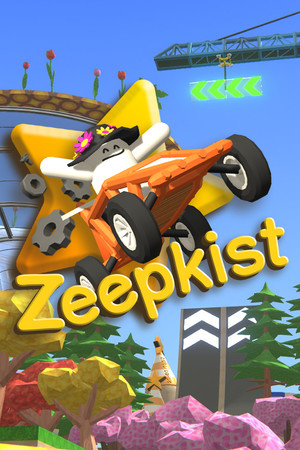


Review evidence
Why players say this
Review evidence
Why players say this
What players like
Highly enjoyable core gameplay: Players consistently praise the game's fun and engaging core mechanics, highlighting its skill curve, replayability, and fresh take on the original formula. The gameplay is described as exciting, charming, and visually appealing, with strong optimism for future updates.
Balanced co-op and competitive mechanics: The game successfully blends cooperative track-building with competitive sabotage, creating enjoyable chaos during races. Power-ups and passive abilities add excitement and unpredictability to the experience.
Innovative bike-handling mechanics: The bike mechanics introduce a fresh and fluid dynamic to the game, offering a new twist on the genre. While initially challenging, players find them satisfying to master over time.
Refined characters and increased challenge: Players appreciate the more refined and cute character designs compared to the previous game. The gameplay is also noted to be more challenging, adding depth to the experience.
Skill selection adds variety: The introduction of a skill selection phase every three rounds is highlighted as a positive addition, providing variety and strategic depth to the gameplay.
Common complaints
Buggy and unpolished release: The game is plagued by numerous bugs, including game-breaking issues like cloning traps, inconsistent respawn mechanics, and online mode failures. Players feel the game was released in an unfinished state, akin to early access.
Sequel lacks original's charm and depth: Players feel the sequel has lost the core appeal, strategic depth, and hysterical moments of the original game. The reduction in content and quality-of-life features, along with localization issues, contributes to a hollow experience compared to the first installment.
Clunky and unresponsive controls: The controls are frequently described as clunky, slow, and unresponsive, making the fast-paced gameplay difficult to enjoy. Players also note that the controls are overly complex and finicky, creating a steep learning curve.
Poorly balanced power-ups and traps: Power-ups and traps are criticized for being unbalanced, either too strong or poorly executed, turning gameplay into a knowledge check rather than a skill-based experience. Some power-ups are more harmful than helpful, disrupting the game's flow.
Limited and uninteresting content: Players highlight a lack of variety in maps, arenas, and placeable objects, making the game feel repetitive and shallow. The limited content and uninteresting obstacles reduce long-term engagement, especially for non-casual players.
Gameplay and performance
Cooperative track building mechanics: Players collaboratively build tracks at the start of each round, placing obstacles, traps, and power-ups. This mechanic encourages strategic planning and teamwork, distinguishing it from traditional racing games.
Bike-based racing with tricks: The game introduces bike riding as a core mechanic, replacing previous movement systems. Players can perform tricks and rolls, adding a layer of skill and style to the racing experience.
Asymmetrical power-up gameplay: Unlike its predecessor, this game features asymmetrical gameplay where player power-up choices create uneven footing. This adds depth to strategy but may alter the balance of competition.
Short playtime for completion: Players reported completing most levels with friends in about an hour, suggesting the game may have limited replayability or content depth for longer sessions. This feedback is based on a single data point and may not reflect all experiences.
Unresponsive controls and slow menus: Players report frustration with delayed input responses and sluggish navigation in menus, impacting overall gameplay fluidity. This issue affects core usability and may deter engagement.
Online mode freezing during score settlement: Multiple players highlight freezing or crashes specifically during online score settlement, disrupting multiplayer experiences. This technical flaw undermines competitive or cooperative play reliability.
Recommendations
Prefer original over sequel: Several players express a strong preference for the original game (*Ultimate Chicken Horse*) over this sequel, citing a lack of differentiation and a loss of the core fun factor. This suggests the sequel may not have successfully evolved or justified its existence.
Mixed purchase recommendations: Players are divided on whether to recommend the game, with some suggesting it depends on the player's preferences (e.g., fans of the original, those who enjoy chaotic multiplayer, or those willing to treat it as early access). Others outright advise against purchasing due to bugs, limited content, or unmet expectations compared to the original.
Price too high for current content: One reviewer explicitly suggests a lower price point (e.g., $38) would be more appropriate given the game's current state, indicating perceived value issues. This feedback is specific but limited in frequency.
Localization issues need fixing: A specific mention of localization problems indicates that text or language support may be subpar, detracting from the overall experience. This is a clear, actionable area for improvement.
Other review notes
Sequel fails to expand: Players express disappointment that the sequel does not build upon or retain the core elements that made the first game enjoyable. This sentiment is shared across multiple clusters, indicating a perceived lack of innovation or progression in gameplay, mechanics, or features.
Positive blind play experience: One cluster highlights that players who approached the game without prior expectations found it enjoyable after a few rounds with friends. This suggests the game may have strong social or multiplayer appeal despite its other shortcomings.
Desire for custom controls: A specific request for customizable controls is noted, indicating that players value flexibility in how they interact with the game. This feedback is actionable but appears less frequently than other points.