- High-quality and engaging experience
- Deep and satisfying card combat
- Rich mech customization and variety
- Beautiful hand-drawn art style
- Excessive and unengaging story/dialogue
- Poor deck management and card pool

Emotions
What players like:
Common complaints:
Gameplay feedback:
Performance notes:
Recommendations:
Other player notes:
Similar games
Blend with other games


Review evidence
Why players say this
Review evidence
Why players say this
What players like
High-Quality & Engaging Experience: Players consistently praise the game's overall high quality, originality, and passionate development. The gameplay is described as addicting and fun, offering a well-balanced blend of tactics and narrative within a vibrant universe.
Deep & Satisfying Card Combat: The card battle system is noted for its depth, encouraging experimentation and strategic refinement. The integration of mech and drone decks adds significant strategic layers, making the combat engaging and accessible while capturing the feel of mecha anime battles.
Rich Mech Customization & Variety: Mech lovers will appreciate the abundance and variety of mechs available, along with the well-done customization options. The game provides new pilots, upgrades, and mods, encouraging experimentation with loadouts.
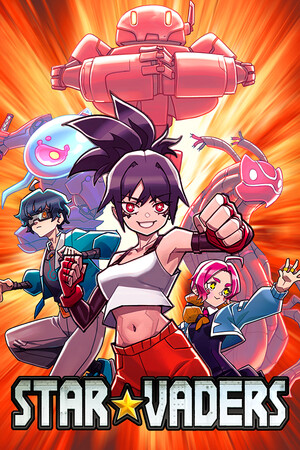
Beautiful Hand-Drawn Art Style: The game's hand-drawn art style is consistently praised as beautiful, wonderful, and a significant advantage. Character designs are strong, identifiable, and natural, contributing to an impressive visual aesthetic.
Excellent Voice Acting: The full voice acting for all characters and dialogues is highly appreciated, with players noting the great job done by the voice cast. It significantly enhances the personality of the dialogues and elevates the overall experience.
Common complaints
Excessive and Unengaging Story/Dialogue: Players found the story to be overly long, interruptive, and generally uninteresting, with too much dialogue that often felt irrelevant or 'cringe.' This led to many players skipping story segments.
Poor Deck Management and Card Pool: The game's system of adding all unlocked cards to the deck without player choice makes deck management difficult and dilutes the deck, hindering strategic play and making new unlocks feel detrimental. This also makes it hard for players to draw specific cards.
Unclear Mechanics and 'Gotchas': The game does not adequately explain its keywords and mechanics, forcing a 'learn by doing' approach. Additionally, some mod effects act as unwritten 'gotchas,' leading to unexpected gameplay outcomes.
Technical Issues and Missing Features: Players reported critical bugs, such as loadout issues that bricked playthroughs, and a lack of essential features like manual saves. The game also suffers from performance stutters under specific conditions.
Limited Game Modes and Endgame Content: The game currently lacks additional modes beyond the campaign, and players expressed a desire for more combat/deckbuilding focused options and more 'endgame' content to extend replayability.
Gameplay and performance
Unique Card-Mech Hybrid Gameplay: The game uniquely blends card-building mechanics with mech customization, allowing players to modify mechs and drones rather than traditional decks. It incorporates visual novel elements with turn-based card battles, offering a strategic experience akin to a card version of Super Robot Wars.
Not a Roguelike, Easier Gameplay: The game is not designed as a roguelike and does not heavily focus on challenge or min-maxing deck builds. The gameplay is described as clean, simple, and generally on the easier side, suggesting a more accessible experience.
Energy Generation System: Cards can generate energy, and playing monsters grants energy of corresponding colors based on monsters on the field. Attacking also requires energy, indicating a resource management aspect to combat.
Moderate Campaign Length: The main campaign offers approximately 13-20 hours of content. This content is largely linear, with only minor story divergences, suggesting a focused narrative experience.
Simplified Early Game: In the initial turns of combat, players are restricted to playing only one card. This suggests a gradual ramp-up in complexity, allowing players to ease into the mechanics.
Performance issues and stuttering: Players are experiencing significant performance problems, specifically frequent stuttering, which negatively impacts the gameplay experience. This suggests a need for optimization to ensure smoother performance.
Recommendations
Highly Recommended Purchase: Players overwhelmingly recommend buying the game, citing its value for money and enjoyable experience. Many would repurchase it, indicating strong satisfaction.
Appeals to Specific Genres: The game is highly recommended for fans of Visual Novels, deck-building card games, and mech-themed RPGs. Players familiar with titles like Gwent, Magic The Gathering, or Super Robot Wars will likely enjoy it.
Desire for More Content: Players expressed a strong desire for additional content or DLC, indicating they enjoyed the game and wish to continue playing more of it.
Boosts Developer's Reputation: The quality of this game has positively influenced players to consider trying other titles from the same developer, such as 'Battle Chef Brigade'.
Other review notes
Studio's established reputation: Players show loyalty and support for the studio, referencing previous successful titles and expressing a desire to support the developers. This indicates a positive track record and a dedicated fanbase, which can contribute to the game's success.
Broad appeal for players: The game successfully caters to both narrative enthusiasts and deckbuilder fans, suggesting a well-integrated experience that satisfies diverse player preferences. This indicates a strong core design that balances story and strategic gameplay.
Positive developer engagement: Developers have expressed openness to player feedback, specifically regarding deck editing. This proactive stance suggests a commitment to improving the game based on community input, which is a positive sign for future updates and player satisfaction.
Limited actionable feedback: Some feedback indicates promotional activities or general support without specific gameplay insights. While positive, these points offer limited direct actionable information for game improvement.