- Captivating world and storytelling engages players deeply
- Meaningful choices shape consequences and outcomes
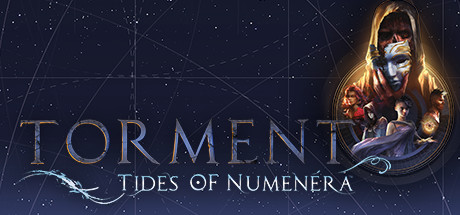
- Unique Numenera setting blends sci-fi and fantasy
- High-quality writing elevates dialogue and narrative
- Weak combat feels unsatisfying and unpolished
- Numerous bugs and technical issues disrupt gameplay
Emotions
What players like:
Common complaints:
Gameplay feedback:
Performance notes:
Recommendations:
Other player notes:
Similar games
Blend with other games






Review evidence
Why players say this
Review evidence
Why players say this
What players like
Captivating world and storytelling: The game is praised for its immersive world-building, engaging narrative, and well-written characters. Players highlight the unique sci-fi/fantasy setting, rich lore, and philosophical themes as standout features.
Meaningful choices and consequences: Choices in dialogue, quests, and character development have significant impacts on the story and world. Players value the replayability and depth of philosophical and moral decisions.
Unique Numenera setting: The game successfully adapts the Numenera tabletop RPG, offering a bizarre, post-apocalyptic world billions of years in the future. Players appreciate the blend of sci-fi, fantasy, and philosophical elements.
High-quality writing and prose: The game’s writing is frequently compared to literary works, with dense, imaginative, and philosophical prose. Players appreciate the novel-like storytelling and rich vocabulary.
Inspired by Planescape: Torment: The game is often compared to *Planescape: Torment* for its narrative depth, philosophical themes, and dialogue-driven gameplay. It is seen as a worthy spiritual successor.
Common complaints
Weak and unsatisfying combat: The combat system is frequently described as bland, unintuitive, and lacking depth. Players report it feels forced, tedious, and unengaging, with many mechanics feeling underdeveloped or poorly implemented.
Excessive and verbose dialogue: Dialogue is often overly wordy, expository, and tedious, making the game feel like a chore to progress through. Many players report frustration with the sheer volume of text and lack of brevity or meaningful choices.
Poor UI and technical performance: The user interface is clunky, poorly designed, and often overwhelming. Technical performance issues, such as long loading times, frame rate drops, and memory leaks, further detract from the experience.
Numerous bugs and technical issues: The game is plagued by frequent bugs, including quest-breaking issues, crashes, and UI glitches. Many players report that these issues disrupt immersion and can make the game unplayable at times.
Poor quest design and pacing: Quests are criticized for being poorly designed, clustered together, or lacking meaningful consequences. Pacing issues, especially in the ending, make the game feel rushed or incomplete.
Gameplay and performance
Dialogue-driven RPG focus: The game emphasizes narrative, choices, and dialogue over combat, with players often avoiding fights through persuasion or skill checks. This aligns with classic CRPGs like *Planescape: Torment* but with minimal tactical depth in battles.
Skill checks and stat pools: Might, Speed, and Intellect stats govern dialogue and combat, with skill checks (e.g., Persuasion) offering non-combat solutions. The effort system allows players to push rolls for better outcomes.
Turn-based combat (optional): Combat is turn-based but infrequent and avoidable, often criticized for being unintuitive or simplistic. Players can resolve conflicts via dialogue, skill checks, or environmental interactions.
Companion-driven storytelling: Companions have unique quests, personalities, and interactions, influencing the narrative. Their arcs and dialogue options enhance replayability and role-playing depth.
Sci-fi/fantasy hybrid setting: The world blends medieval and futuristic elements, featuring post-apocalyptic artifacts (Numenera) and philosophical themes. Exploration is curiosity-driven, with unique concepts like the Bloom.
Severe gameplay-breaking bugs: Players report frequent crashes, quest failures, combat freezes, and progress-halting bugs that require game restarts. These issues significantly disrupt gameplay and immersion, often making the game unplayable without manual intervention.
Dialogue and UI-related freezes: Dialogue trees, UI interactions, and conversation screens frequently cause freezes or crashes, often requiring restarts. Some players report being unable to save during critical moments, exacerbating frustration.
Poor performance and optimization: The game suffers from widespread performance issues, including FPS drops, memory leaks, lag, and slow response times. Optimization is inconsistent, with some players experiencing smooth gameplay while others face unplayable conditions on mid-range hardware.
Minor but persistent bugs: Pathfinding issues, missing animations, graphic corruption, and minor combat bugs are frequently mentioned. While not always game-breaking, these issues contribute to an overall sense of unpolished gameplay.
Outdated engine and lack of polish: The game’s engine is criticized for feeling clunky, outdated, and visually inferior to older titles in the same series. Limited graphical options and a lack of console commands further highlight technical shortcomings.
Recommendations
Story-rich RPG for niche fans: The game is highly recommended for players who enjoy narrative-heavy, dialogue-driven CRPGs with deep philosophical themes and unique settings. It appeals to fans of *Planescape: Torment* and similar titles but is not suited for those seeking combat-heavy or action-oriented gameplay.
Best enjoyed on sale: Many reviewers suggest purchasing the game only at a discounted price due to its flaws, unfinished mechanics, or niche appeal. Full price is often deemed unjustified for the current state of the game.
Masterpiece for Torment fans: The game is praised as a worthy successor to *Planescape: Torment* and a masterpiece for fans of deep storytelling, surrealism, and philosophical themes. However, comparisons to *Torment* may detract from its appeal for some.
Technical issues deter recommendations: Criticism includes unfinished mechanics, bugs, and performance issues (e.g., long loading times), leading some to advise waiting for patches or avoiding the game entirely until improvements are made.
Not for action or combat players: The game is explicitly not recommended for players seeking fast-paced action, real-time combat, or voice-acted experiences. It prioritizes storytelling and dialogue over gameplay mechanics.
Other review notes
Noticeable content cuts: Many reviews mention significant reductions in factions, locations, and NPCs due to mismanaged development. These cuts are perceived as detrimental to the game's depth and replayability.
Kickstarter success: The game's development was funded through a successful Kickstarter campaign, with stretch goals enhancing its scope. This reflects strong community support and expectations.
Polished Early Access: The Early Access version is described as highly polished, with positive remarks on developer communication and frequent updates. This builds trust in the final product.
Localization efforts: Players mention ongoing translation projects (e.g., Italian) and suggest waiting for the Korean localization, indicating demand for broader accessibility.
Effective bug reporting: The in-game bug-reporting system is highlighted as a positive feature, making it easier for players to contribute to improvements and fixes.