- Appealing art style and engaging story.
- Well-developed and likeable characters enhance experience.
- Expanded TRPG experience.
- Technical issues and design flaws impact gameplay.
- Downgraded features compared to previous installments.
- Rushed story and unsatisfying endings.
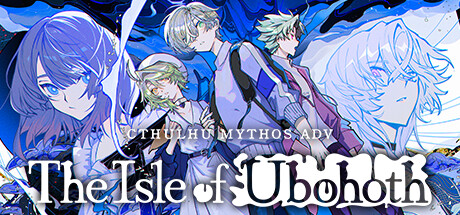
What players like:
Common complaints:
Gameplay feedback:
Performance notes:
Recommendations:
Other player notes:
Similar games
Blend with other games 87%Spirit Hunter: NG
 86%Depersonalization
 86%Tokyo Dark
 86%Inspector Schmidt - The Ebbing
 86%Return to Shironagasu Island
 85%The Letter - Horror Visual Novel
 85%Higurashi When They Cry Hou - Ch.2 Watanagashi
 84%fault - milestone one
 84%Little Goody Two Shoes
 84%Spirit Hunter: Death Mark
 84%Soul Mates
 84%Hermitage: Strange Case Files
Review evidence
Why players say this
Review evidence
Why players say this
What players like
Appealing art and story: The game features appealing character designs and a compelling story, with detailed and visually attractive character art. Reviewers grew fond of the main characters and were drawn to the art style, expressing a desire to explore all routes.
Expanded TRPG experience: The game expands upon the first game by adding new elements like map exploration and a unique plot. It successfully captures the essence of a solo TRPG experience, incorporating elements such as horror, combat, exploration, puzzle-solving, and NPC interactions reminiscent of Call of Cthulhu.
Well-developed, likeable characters: The game features well-developed characters with deep bonds, and the new characters are also appealing. The game provides excellent character development for characters from the previous game.
Good Japanese voice acting: The game features Japanese voice acting, and new main characters have been given voice acting. Reviewers noted that each character's voice and character matched well.
Cute, 'moe' aesthetic: The game is cute and 'moe', especially before day 5, and the character art style is cute. This point is based on subjective aesthetic preferences.
Common complaints
Technical issues and design flaws: The game suffers from a variety of technical and design issues that impact the player experience. These include limited or missing voice acting, a lack of manual saving options, autosave issues, and bugs that can lead to lost progress or bad endings. These issues contribute to player frustration.
Downgraded features from previous game: Several features and mechanics present in the previous game are missing or downgraded in this installment. This includes the absence of exploration and puzzle elements, a less intuitive game system, lack of keyboard skip function, and missing archive file. These omissions make the game feel like a step backward compared to its predecessor.
Weak Cthulhu connection; generic story: The game's connection to the Cthulhu mythos feels weak, with the story resembling a generic horror novel. Additionally, the story follows a typical Japanese theme, lacking originality.
Rushed, unsatisfying story/endings: The story and branching paths feel rushed and poorly designed, leading to unsatisfying conclusions. Ending branches seem heavily influenced by character affection levels, potentially overshadowing other story elements.
Problematic dice roll mechanics: The dice roll mechanics are problematic, with dice being difficult to distinguish and animations unskippable. Some players feel the dice rolls are unfair, with results consistently exceeding required values.
Gameplay and performance
Dice-roll mechanic, COC-based story: The game blends visual novel and TRPG elements, using dice rolls to influence story outcomes based on the Call of Cthulhu ruleset. However, some reviewers felt it was more like watching a replay than playing a traditional adventure.
Exploration, daily map, fluctuating stats: The game features adventure elements with a daily map and fluctuating stats, creating tension through turn order and time limits. Multiple playthroughs are encouraged to explore different outcomes, but the predictability of subsequent playthroughs can reduce stress.
Requires external cultural research: The game includes elements like Buddhism and the supernatural, requiring external research for deeper understanding. Some puzzles, like piecing together Hiragana characters, can be difficult due to language settings.
Obscure branching paths, no chart: Branching paths with obscure conditions make full ending collection difficult without a guide, and raising character favor unlocks alternate routes. The game lacks a chart or ED list, making it difficult to visually understand scenario progression.
Horror story based on legends: The story progresses from everyday life to horror, revolving around a cursed island and incorporating Japanese urban legends, myths, and ghost stories with Cthulhu-esque elements.
Lacks resolution/display settings: The game lacks proper resolution settings and forces a maximized screen size, which cannot be overridden. This limits the player's ability to customize the game's display to their preferences and system capabilities.
Recommendations
Enjoyable, but consider sale price: Many reviewers found the game enjoyable and worth playing, especially for fans. Some suggest waiting for a sale due to the perceived value relative to its price. Despite minor flaws, the game is considered a good way to pass the time, with some hoping for future installments.
Add progress tracking system: Some reviewers suggest adding a chart or branch system to track progress. This would help players understand the consequences of their choices and navigate the game's branching narrative.
Requesting QoL improvements: Reviewers desire quality of life improvements. Specifically, they request a text skip function, an ending list that includes bad endings, and the ability to save anywhere in the game. These features would improve the user experience.
Wait for bug fixes: Several reviewers recommend waiting for bug fixes before purchasing. This suggests that bugs are a significant issue affecting the gameplay experience.
Acceptable entertainment: The game is described as 'acceptable electronic pickles'. This point is difficult to interpret as it is a cultural reference without specific details, so it has a low importance score.
Other review notes
Limited voice acting.: Voice acting is limited to specific sections of the game (opening and mornings of the first week). The remaining dialogue relies on generic lines, which may detract from the immersive experience.
Returning characters enhance experience.: The game incorporates characters from its predecessor, enhancing the experience for returning players who are already familiar with the lore and character relationships. This provides a sense of continuity and reward for those invested in the series.