- Significant improvements via updates address issues.
- Water parks are a key highlight.
- Engaging management and creative options.
- Buggy, incomplete, unpolished at launch.
- Lacking content, aggressive DLC strategy.
- Clunky, unintuitive, console-focused UI.
What players like:
Common complaints:
Gameplay feedback:
Performance notes:
Recommendations:
Other player notes:
Similar games
Blend with other games





Review evidence
Why players say this
Review evidence
Why players say this
What players like
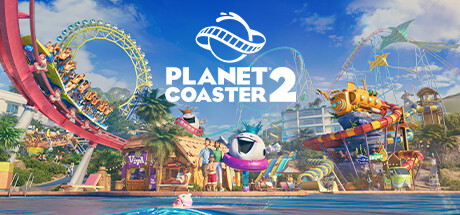
Significant improvements via updates: The game has received numerous updates that have significantly improved graphics, UI/UX, stability, and overall gameplay. Many reviewers highlight that the game is now in a much better state than at launch, with many bugs fixed and new features added based on player feedback. These improvements address initial criticisms and make the game more enjoyable.
Worthy successor; retains charm: Reviewers consistently praise the game as a worthy successor to previous titles, particularly Planet Coaster 1 and Rollercoaster Tycoon. It retains the charm of the originals while introducing new features and improvements. Many find it more approachable and customizable, making it a standout in the theme park simulation genre.
Water parks are a highlight: The addition of water parks, including pools and slides, is a well-received feature that enhances the game's variety and creative possibilities. Reviewers enjoy building and customizing these aquatic attractions, noting the improved water physics and guest animations. This addition makes the game feel more complete and offers a refreshing change from traditional theme park building.
Improved pathing tool; more flexible: The new pathing tool is a major highlight, offering increased flexibility and creative freedom in designing plazas and paths. While it may have a learning curve, reviewers find it to be a significant upgrade over previous systems, allowing for more realistic and customizable park layouts.
Developers responsive to feedback: Frontier Developments is actively listening to community feedback and releasing frequent updates to improve the game. Reviewers appreciate the developer's commitment to addressing issues, adding new features, and providing free content. This responsiveness inspires confidence in the game's future development.
Common complaints
Buggy, incomplete, unpolished launch: The game's initial release was plagued with bugs, missing features, and a clunky UI, leading to an unplayable experience. Many reviewers felt it resembled an early-access title and criticized the release of paid DLC before addressing core issues. This negatively impacted player experience and led to comparisons with other poorly launched titles. Some reviewers mentioned the game felt like a console port, which negatively impacted the PC experience.
Lacking content, aggressive DLC strategy: Reviewers feel the game is lacking in content compared to its predecessor, with missing themes, decorations, and features. There's concern that content is being held back for paid DLC, especially since some DLC includes content from the first game. This perceived 'cash grab' approach frustrates players who expected a more complete experience at launch.
Clunky, unintuitive, console-focused UI: The UI/UX is widely criticized for being clunky, unintuitive, and console-focused, requiring excessive clicks for basic actions. Reviewers express frustration with nested menus, lack of tooltips, and a general step backward from previous games in the series. This makes simple tasks tedious and hinders the overall player experience.
Downgrade from original Planet Coaster: Many reviewers feel the game is a downgrade from the original Planet Coaster, citing missing features, worse AI, and a lack of polish. Some feel it doesn't offer enough new content to justify being a full sequel. The game also lacks themes and features like hotels and security present in the first Planet Coaster.
Unrealistic, limited coaster building: The coaster building experience is criticized for a clunky UI, unrealistic physics, and a lack of modern coaster features. There are limitations on customization options, such as the inability to change coaster cars or adjust friction on individual coasters. The game also lacks certain coaster types and models found in real-world parks.
Gameplay and performance
Familiar gameplay, lacks innovation: The game offers familiar gameplay to Planet Coaster 1, with returning rides and coaster building mechanics. However, some reviewers feel it lacks substantial innovation and material options compared to its predecessor, making it feel more like a DLC than a full sequel.
Tedious power/water management: The game introduces power and water management systems, requiring players to build infrastructure and manage resources. However, some reviewers find these systems tedious and not impactful, suggesting they can be ignored or disabled without significant consequence.
Water parks are major addition: Water parks are a major new addition, seamlessly integrating with existing park rides and coasters. Players can design pool areas and add features like diving boards and wave generators.
Custom animatronics creation possible: The game allows for the creation of custom animatronics using moving platform pieces. While complex movements require creativity due to limited programmability, this feature allows for unique and dynamic scenery.
Improved track editing, some annoyances: Track editing has been improved, with the game now preventing accidental segment hopping. However, some reviewers find refining the track during building to be annoying.
Inconsistent performance and optimization: The game's performance and optimization have been a mixed bag. While some players report smooth gameplay and improvements over the previous title, others experience significant lag, stuttering, and frame rate drops, even on high-end systems. Initial performance issues have been partially addressed by updates, but optimization remains a concern for many.
Visual glitches and lighting bugs: Some players have reported visual glitches, blurriness, and lighting bugs. The blurriness can often be mitigated by adjusting settings, but lighting issues may require disabling shadows altogether. These graphical issues detract from the overall visual experience.
Performance degrades in large parks: Performance degrades in larger parks with many objects and guests, leading to lag spikes and unplayable frame rates. Some players also report low CPU and GPU utilization, suggesting inefficient programming may be contributing to these issues.
Improved engine over Planet Coaster: Some reviewers noted that the game engine runs better than the original Planet Coaster, with smoother gameplay, better graphics and lighting, and a significant FPS boost. The game seems to be more optimized and can handle more park visitors with a better frame rate compared to the first game.
DLSS/FSR improves performance: The game supports DLSS and FSR, which can significantly improve frame rates, especially in complex parks with many guests. These features allow for larger parks without as much of a performance hit.
Recommendations
Wait for updates/fixes: Many reviewers suggest waiting for more updates and bug fixes before purchasing. The game's state at launch was subpar, but patches have addressed some issues. The game is expected to improve significantly over time as developers continue to address issues and add content.
Game is buggy and unstable: Numerous reviewers report frequent crashes and bugs that significantly detract from the experience. Some find the game unplayable due to these issues, even months after release. Frequent saving is recommended to mitigate data loss from crashes.
Not better than Planet Coaster 1: Some reviewers feel the game is not a true successor, with some preferring the original Planet Coaster (PC1). They cite missing features, control issues, and a lack of variety in coasters and themes as reasons for their preference. Some suggest sticking with PC1 or waiting for significant improvements.
Good for creative sandbox play: Many reviewers recommend the game, especially for creative players who enjoy sandbox mode and building. They find the game engaging and fun, praising its creative possibilities and the ability to design unique parks and coasters. Some reviewers highlight the game's accessibility for new players.
Hope for continued improvements: Reviewers express hope that the developers will continue to improve the game and address existing issues. Some reviewers are concerned about the potential for paid DLC to gatekeep essential content. The developers' responsiveness to feedback is seen as a positive sign.
Other review notes
Active development and updates: The developers are actively updating the game and responding to community feedback, with many reviewers expressing hope and anticipation for future improvements, bug fixes, and content additions. Some reviewers plan to update their reviews as the game evolves.
Desire for more customization: Reviewers desire more creative control and customization options, such as additional scenery pieces, map generation tools, and expanded sandbox mode settings. Some reviewers also want more variety in ride types, drawing inspiration from real-world amusement parks.
Missing content from first game: Many reviewers note that the new game is missing features and content present in the first Planet Coaster, including themes and decor pieces. While some find the new game more usable, they still await the return of missing features through updates.
Console focus impacts PC: Some reviewers feel the game's design is influenced by console play, which has negatively impacted the PC experience. There is also a sentiment that the game's release felt rushed and needed more polishing.
Blueprints enhance gameplay: The blueprint section, where community builders share creations, is a major reason for continued play. The game offers pre-designed plans that showcase the decorations well.