- Charming, cozy, and accessible deduction puzzle experience
- Golden Idol-style non-murder mysteries
- High replayability, future content desired
- Inconsistent puzzle difficulty reported
- Lack of true mystery solving
- Weak narrative and unhelpful hint system
Emotions
What players like:
Common complaints:
Gameplay feedback:
Performance notes:
Recommendations:
Other player notes:
Similar games
Blend with other games 88%Tangle Tower
 87%Fingered
 87%Duck Detective: The Ghost of Glamping
 86%Confidential Killings - A Detective Game
 85%ギルド探求団へようこそ!
 85%CaseCracker
 85%The Mermaid Mask
 85%TR-49
 85%Agatha Christie - The ABC Murders
 85%Lost & Found: A This Bed We Made Story
 85%Frog Detective 1: The Haunted Island
 84%Murders on the Yangtze River
Review evidence
Why players say this
Review evidence
Why players say this
What players like
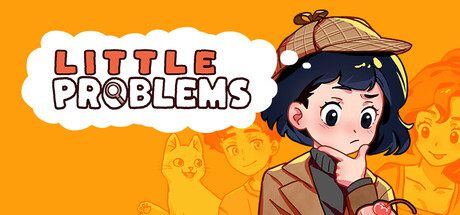
Charming Cozy Puzzle Experience: Players consistently praise the game for its adorable art style, cozy atmosphere, and wholesome, humorous approach to everyday mysteries. It's seen as a delightful and relaxing puzzle game, perfect for a chill afternoon, and suitable for a wide audience, including younger players.
Engaging & Accessible Deduction Puzzles: The game offers well-designed, challenging deduction puzzles that require genuine sleuthing and critical thinking, yet remain accessible and non-anxiety-inducing. It successfully makes the detective genre approachable for a broader audience, with creative cases and solid gameplay mechanics.
High Replayability & Future Content Desired: Many players expressed a strong desire for more content, including DLCs, sequels, or additional cases, indicating high satisfaction and engagement. The game also offers replayability through achievements and the ability to revisit chapters.
Pleasant Audio Experience: The background music is described as upbeat, non-annoying, and lifelike, contributing positively to the overall cozy atmosphere of the game.
Positive Comparison to Similar Titles: Reviewers noted similarities to games like 'The Case of the Golden Idol' but highlighted that this game offers a lighter, warmer theme while avoiding some of the pitfalls of its genre counterparts.
Common complaints
Inconsistent puzzle difficulty: Some puzzles were criticized for being either too easy or requiring brute force due to a lack of clear context or helpful hints. This led to frustration for some players.
Lack of true mystery solving: Players felt the game lacked genuine deduction and mystery-solving elements. Instead, it often involved simply inputting known information or felt more like a 'fill-in-the-blanks' exercise rather than an investigative challenge.
Unhelpful hint system: The in-game hint system was not considered very helpful by players, leading to frustration when stuck on puzzles.
Weak narrative and writing: The game's story and character motivations were often described as dull, forgettable, or lacking an engaging overarching plot. This diminished player involvement and motivation.
Repetitive and tedious tasks: Players found certain tasks, such as repeatedly entering character names, to be tedious and repetitive, detracting from the gameplay experience.
Gameplay and performance
Short, accessible gameplay length: The game is relatively short, with completion times ranging from under 2 hours with a guide to around 3-6 hours for a full 100% playthrough. Its difficulty is generally balanced, not too easy but engaging enough to require thought and clue revisiting.
Golden Idol-style deduction game: The game is a deduction/puzzle game heavily inspired by 'The Case of the Golden Idol' and 'Return of the Obra Dinn', focusing on finding clues and matching them to solve problems. It offers a similar gameplay system but with a distinct, often cozier, vibe.
Slice-of-life, non-murder mysteries: Unlike many deduction games, this title focuses on everyday, 'slice-of-life' mysteries rather than murders or grand conspiracies. Players deduce names, actions, and outcomes from environmental clues, often in a 'fill-in-the-blanks' style, following a college student's life.
Achievement-friendly design: The game's achievements are designed to be player-friendly, with no missable, grinding, time-gated, unobtainable, or glitched achievements. Completing all sections of a puzzle often earns an achievement.
Helpful in-game tools: The game includes a useful in-game note-taking system to help players keep track of clues and deductions. It also offers a hint system to make the puzzle-solving experience more relaxing.
Limited character customization: Players desire more options for character appearance, including hairstyles, facial features, and body types, to enhance immersion and personalization. The current selection feels restrictive and doesn't allow for unique player expression.
Unbalanced combat difficulty: The combat difficulty spikes inconsistently, with some encounters being too easy and others feeling unfairly challenging, even for experienced players. This inconsistency disrupts the flow and enjoyment of combat.
Lack of meaningful player choices: Players feel that their decisions within the game, particularly in dialogue and questlines, have little to no impact on the story or world. This diminishes the sense of agency and replayability.
Recommendations
Highly Recommended Game: Players overwhelmingly recommend the game, expressing enjoyment and a desire for future content. Many reviewers suggest it's a worthwhile experience despite minor issues.
Ideal for Deduction Fans: The game is particularly recommended for fans of deduction and detective games, especially those who appreciate a cozy, less intense puzzle experience. It's compared favorably to titles like Obra Dinn and Golden Idol.
Other review notes
Achievement guide available: A player has created a comprehensive guide for 100% achievement completion, which includes spoilers. They also maintain a list of games without missable achievements on their website.
Limited feedback quality: Based on limited and low-quality feedback, some minor points include the game's publisher, a past developer intention for horror elements, and a recommendation for a similar game series.
Chinese translation issues: The Chinese translation of the game is generally acceptable, but some parts are difficult to understand, potentially hindering player comprehension.