- Engaging, relaxing experience with rich exploration
- Extensive house decoration and customization options
- Charming pixel art and music style
- Substantial content and interactive environment
- Critical progression bugs reported by players
- Minor navigation and control quirks
Emotions
What players like:
Common complaints:
Gameplay feedback:
Performance notes:
Recommendations:
Other player notes:
Similar games
Blend with other games




Review evidence
Why players say this
Review evidence
Why players say this
What players like
Engaging and Relaxing Experience: Players find the game unexpectedly fun, cozy, and relaxing, offering a therapeutic experience with a unique blend of mystery and charm. The game's high quality, passionate development, and satisfying gameplay contribute to its overall appeal.
Rich Exploration and Mystery: The game features appealing micro-horror and mystery elements, well-done hidden stories, and satisfying puzzles. Players enjoy exploring the town, discovering hidden side quests, and interacting with unique townsfolk, which adds to the replayability and depth.
Extensive Decoration Options: The game offers a massive amount of art assets, including over 1,800 unique decoration and furniture items, and multiple house layouts. This rich selection and the freedom to arrange furniture provide a highly engaging sandbox decorating experience.
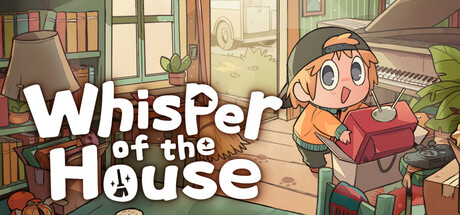
Charming Pixel Art and Music: The game's cute and comfortable pixel art style, combined with smooth animations, creates a cozy and colorful atmosphere. The lovely art style and pleasant background music significantly enhance the overall aesthetic and player experience.
Substantial Content and Interactivity: The full version of the game provides a substantial amount of content, including a 10-hour main story, 15+ chapters, and 18 missions. Players appreciate the high level of interactivity with objects and furniture throughout the game world.
Common complaints
Critical progression bugs: Several players reported encountering bugs that prevent main quest progression and achievement triggers. These issues can force players to restart the game, significantly impacting their experience.
Insufficient personal home space: Many players find their personal home space too small, making it difficult to display purchased or drawn furniture. This limitation hinders creativity and the ability to personalize their living area.
Limited content and unused assets: Players feel that despite a variety of assets, the game lacks substantial content beyond basic tasks. Some assets appear to be underutilized, suggesting a need for more engaging gameplay elements.
Minor navigation and control quirks: Players noted slight quirks in town exploration controls and difficulty finding their home. Additionally, some Japanese text has minor stylistic quirks. These are minor issues but can affect user experience.
Specific quest item issues: Players encountered issues with specific quest items, such as using up canned plants before a room submission or difficulty arranging a magic circle. These point to potential quest design flaws.
Gameplay and performance
Core Gameplay Loop: The primary gameplay revolves around organizing, cleaning, and decorating various spaces. Players take on the role of a housekeeper, completing tasks for townspeople, which includes placing furniture, cleaning stains, and managing waste materials. This forms the core loop of the game.
House Decoration & Customization: A significant aspect of the game is decorating houses and other properties. Players can use acquired furniture and collected items to create diverse decoration styles across multiple houses, with thousands of furniture items available for countless design schemes.
Mystery & Anomaly Exploration: Beyond housekeeping, players can explore the city for anomalies, which are identified by visual cues like purple light and strange runes. These anomalies can be destroyed, and their destruction, along with task completion, is linked to a mysterious pyramid in town.
Task & Reward System: Players complete various tasks, including main quests and daily assignments, for which they receive vouchers. These vouchers are part of a system that allows players to acquire items, adding a progression and reward layer to the gameplay.
Gameplay Evolution from Demo: The full release of the game introduced changes from its demo version, notably lowering puzzle difficulty. This shift indicates a move towards a more casual and story-oriented experience, potentially broadening its appeal.
Limited character customization: Players desire more options for character appearance, including hairstyles, facial features, and body types, to enhance immersion and personalization. The current selection feels restrictive and doesn't allow for unique player expression.
Repetitive quest design: Many players found that quests often follow similar patterns, involving fetch quests or simple kill objectives, leading to a sense of monotony. More varied objectives and narrative depth are needed to keep the gameplay engaging.
Unbalanced combat difficulty: The combat difficulty spikes inconsistently, with some encounters being too easy and others feeling unfairly challenging, even for experienced players. This inconsistency disrupts the flow and enjoyment of combat.
Lack of meaningful player choices: Players feel that their decisions within the game, particularly in dialogue and questlines, have little to no impact on the story or world. This diminishes the sense of agency and replayability.
Recommendations
Highly Recommended Game: Many players enthusiastically recommend the game, often calling it a 'gem' and 'worth buying and experiencing.' They express strong satisfaction and hope for future content.
Anticipate Future Content: Players are eagerly looking forward to new updates, particularly more furniture, main story content, and general gameplay additions. There's a strong desire for the game to continue evolving with fresh experiences.
Appeals to Specific Genres: The game is recommended for players who appreciate pixel art, simulation management, decorating gameplay, and a light, retro Y2K aesthetic. It caters to those who enjoy a mundane daily life simulation.
Desire for Customization: Players are keen on more personalization options, specifically requesting room expansion, character appearance customization, and more diverse house decoration choices.
Suggest New Gameplay Features: Players propose various new gameplay mechanics, including a pet system, friendship/NPC interactions, non-decoration mini-games like flower cultivation, and even a bread-making feature.
Other review notes
High Anticipation & Engagement: Players eagerly awaited the game's release, with some following its development for an extended period. The game's engaging nature allows players to play for long stretches, even those who typically don't, indicating strong initial appeal.
Desire for Workshop Integration: Players are keen on Steam Workshop integration, believing it would significantly enhance immersion and replayability by allowing user-created content. This indicates a strong community desire for customization and longevity.
Demo Save Data & Rewards: The demo provides a bonus of 2,000 vouchers for the full game's gacha store, which is a positive incentive. However, the inability to carry over save data from the demo to the full game is a point of concern for players.
Need for Bug Fixes: Players are hoping for prompt bug fixes to improve the overall game experience. This suggests that current bugs are impacting gameplay and player satisfaction.
Optimization Required: There is a clear request for game optimization, indicating that performance issues might be present and affecting the player experience. Addressing this would improve accessibility and enjoyment.