- Cute and visually appealing game
- Relaxing and cozy experience
- Great early access quality
- Game remains buggy
- Characters lack depth
- Storyline is absent

Emotions
Archetypes
Hardware
What players like:
Common complaints:
Gameplay feedback:
Performance notes:
Recommendations:
Other player notes:
Similar games
Blend with other games


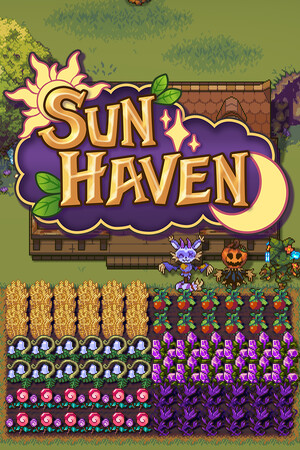
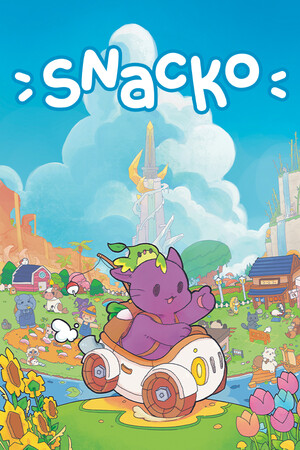

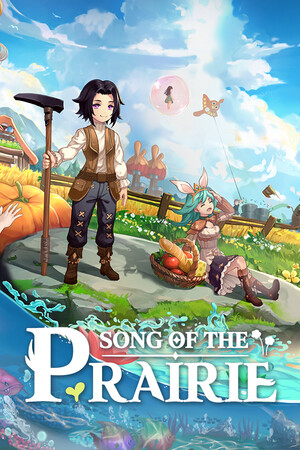


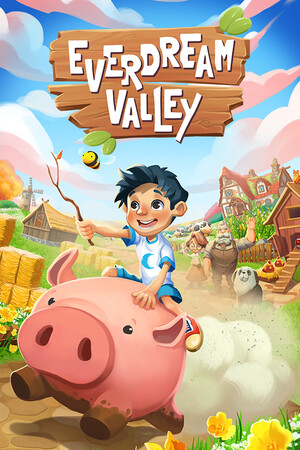
Review evidence
Why players say this
Review evidence
Why players say this
Steam review verdict
Despite charming visuals and a relaxing cozy feel with good early access quality, it suffers from bugs, shallow characters, and a missing storyline.
What players like
Cute and visually appealing game: Players consistently praise the game's charming and adorable aesthetic, including its cute anime-style graphics, art style, and character designs. The visuals are described as beautiful, vivid, and polished.
Relaxing and cozy experience: The game has a calm, stress-free atmosphere that players find relaxing and comforting, making it ideal for slow-paced sessions after work. The cozy vibes are a standout feature for many.
Great early access quality: Players are impressed with the game's stability and completeness despite being in early access, with many noting it runs smoothly without major bugs. It feels more polished than expected for its stage.
Common complaints
Game remains buggy: Multiple reviews indicate widespread bugs across gameplay systems, with new issues appearing after patches. Crash, lag, and softlocks contribute to an unpolished experience.
Characters lack depth: NPCs are described as lifeless, shallow, and lacking meaningful dialogue or personality. Relationships and character arcs feel underdeveloped, diminishing emotional engagement.
Storyline is absent: Players frequently mention the lack of a main story or plot, both at release and during early access. This absence reduces motivation to progress and makes the game feel directionless.
Multiplayer is inaccessible: Multiplayer is hidden behind progression walls, poorly explained, or simply not real co-op. This frustrates players expecting a seamless online experience.
Gameplay and performance
Core farming and life simulation: The game is predominantly a farming and life simulation, featuring activities like planting, harvesting, animal husbandry, mining, fishing, and crafting. This core identity is the most commonly cited aspect, with many players comparing it to Stardew Valley and Harvest Moon.
Diverse gameplay activities: Beyond farming, the game offers a broad range of activities such as mining, combat, crafting, fishing, decoration, and exploring. This variety is frequently highlighted and contributes to the game's appeal.
Romance and relationship systems: Players can engage in romance with NPCs, including dating and marriage mechanics. This is a widely appreciated feature that adds depth to social interactions.
Inspiration from popular life-sims: The game draws heavy inspiration from popular titles like Animal Crossing, Stardew Valley, and Harvest Moon, which familiarizes players with its mechanics and atmosphere. This comparison is common in reviews.
Pet adoption and breeding: The game includes pet care mechanics, allowing players to adopt, breed, and dress up pets like cats, dogs, and foxes. This adds a layer of personalization and attachment.
Performance issues and lag: Multiple clusters report significant lag, stuttering, and frame rate drops, especially in later stages or with many objects. This is the most frequently mentioned issue, affecting gameplay smoothness and sometimes making the game unplayable.
No crashes during idle: The game does not crash when idle, which is a positive note for players who leave the game running. This suggests that crashes are more likely during active gameplay.
Recommendations
Game not recommended currently: Many reviewers advise against purchasing the game in its current state, citing that it is not worth the money or time. This cluster of negative feedback suggests significant issues affecting the overall experience.
Buy on sale only: A common piece of advice is to wait for a discount before purchasing, suggesting that the game is enjoyable but not worth the full asking price. This balances the positive aspects against the cost.
Buying context
Community fair range: $16.00 - $30.00.
Session length: 9.0h.
The game is highly engaging through early and mid-game, with satisfying progression and exploration, but enjoyment drops sharply after reaching endgame or unlocking full automation, leaving repetitive maintenance. This pattern is widely reported across multiple languages.
Friction: mining is very slow at first; currency is scarce and shops expensive; building mechanics need better explanations; NPCs and dialogue are flat early on.
Unlock drivers: unlocking better tools (e.g., AoE pickaxe); accumulating currency to afford expensive items; understanding building mechanics through tutorials; unlocking robot automation (which paradoxically reduces engagement).
Player profiles
The Cozy Escapist: Leisurely, with no pressure; focuses on daily loops of farming, crafting, and exploring at own pace. Motivation: Relaxation and aesthetic satisfaction from farming, decorating, and collecting. Stance: sale.
The Grind-Weary Optimist: Goal-oriented, tries to optimize and advance quickly, but frustrated by repetitive tasks and lack of narrative direction. Motivation: Wanting a meaningful progression and story to complement the crafting loop. Stance: deep sale.
The Early Access Critic: Analytical, tests for bugs and content depth; often waits for patches before committing. Motivation: Checking the game's readiness and value before investing time or money. Stance: no buy.
Platform notes
Performance varies widely by cohort: mid-range VRAM (12-15GB) and unknown VRAM users report positive experiences, while low VRAM and high-end VRAM users face frequent crashes and poor optimization; the 8-11GB VRAM group shows mixed results.
Windows <8GB VRAM: negative. Frequent crashes, stuttering, and lag dominate reports, with many users finding the game unplayable despite recommended hardware.
Windows 12-15GB VRAM: positive. Most users report stable performance, smooth frame rates, and few crashes, though some note occasional stuttering or CPU bottlenecks.
Windows 8-11GB VRAM: mixed. Reports are mixed: some users experience no crashes and decent performance, while others suffer from crashes, memory leaks, and poor optimization at higher settings.
Steam Deck: Starsand Island provides a promising cozy sandbox but suffers from significant Steam Deck issues including controller bugs, performance stuttering, and a need for manual launch options. Anti-cheat controversy adds to user skepticism, though some updates have been made.
Linux and Proton: The game runs flawlessly on desktop Linux with Proton, but requires a simple launch option for non-Steam Deck users. However, severe resolution bugs make it unplayable on non-Steam Deck handhelds running SteamOS. Overall, Linux compatibility is good with minor tweaks for most users, but problematic for a specific hardware combination.
Extra review signals
Monetization: Starsand Island has no microtransactions, gacha, or pay-to-win mechanics. Its monetization consists solely of a paid cosmetic DLC pack released at early access launch. While the DLC is optional and does not impact gameplay, its high price and the practice of selling additional content during early access have generated notable negative feedback. Future monetization remains uncertain due to ambiguous EULA language, but currently the game is a one-time purchase with no predatory spending mechanics.
External guides: The user feedback reveals a split experience: many users appreciate the clear in-game guidance that reduces wiki dependency, but significant issues remain with missing recipe information, unclear material sources, and technical bugs (alt-tab crashes, quest navigation errors) that force players to seek external help. The primary external data dependency relates to crafting requirements and inventory management, aligning with The Hoarder category.
Other review notes
Early access to 1.0 transition: Many reviewers mention the game's journey from early access to 1.0 release, with some noting that promised content was not added or that the release felt incomplete. This indicates a significant portion of the player base is tracking the game's development status.
Comparisons to Stardew Valley: The game is frequently compared to Stardew Valley and other farm/life sims like Harvest Moon, Fields of Mistria, and Animal Crossing. Reviewers often note similarities in gameplay mechanics and overall feel, with some preferring this game's relaxed pace.
DLC and monetization concerns: Reviewers mention the presence of paid DLCs, sometimes contradicting promises of no paid content, and question the value of these additions. This suggests dissatisfaction with the monetization model.
Lack of language support: Several reviewers point out missing localization for Spanish, French, and Portuguese-Brazilian, limiting accessibility for non-English speakers. This is a common complaint that affects a broad audience.