- Stunning, photorealistic graphics and visuals
- Significant improvements over the first game
- Exploration of mental health themes
- Brutal, cinematic, engaging combat
- Repetitive, simplistic combat system
- Tedious, uninspired puzzle design
What players like:
Common complaints:
Gameplay feedback:
Performance notes:
Recommendations:
Other player notes:
Similar games
Blend with other games







Review evidence
Why players say this
Review evidence
Why players say this
What players like
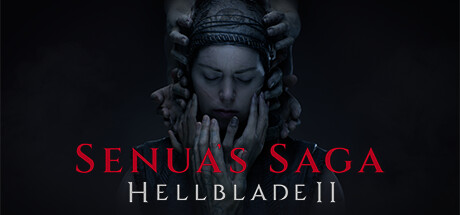
Stunning, photorealistic graphics and visuals: The game boasts exceptional graphics, setting a new benchmark for visual fidelity and realism. Powered by Unreal Engine 5, the game features photorealistic environments, detailed character models, and advanced lighting effects, creating a cinematic and immersive experience. Many reviewers claim the graphics are among the best, if not the best, ever seen in a game.
Significant improvements over first game: Many reviewers feel the sequel improves upon the original in various aspects. These include a more engaging story, refined gameplay mechanics, and enhanced graphics. The game builds upon the foundation of the first, offering a richer and more immersive experience for returning players.
Exploration of mental health themes: The game delves into Senua's psyche, exploring themes of mental health, trauma, and personal growth. The narrative portrays her internal struggles and vulnerabilities, creating a relatable and inspiring character. The game uses binaural audio and visual cues to immerse the player in Senua's fractured mind, blurring the line between reality and delusion.
Brutal, cinematic, engaging combat: The game features a cinematic combat system that is both brutal and engaging. Combat encounters are well-choreographed, with fluid animations and impactful hits. The game emphasizes strategic parrying and dodging, creating intense and memorable duels. The transitions between cutscenes and gameplay are seamless, enhancing the overall immersive experience.
Immersive, high-quality audio design: The game features outstanding audio design, including a haunting soundtrack and immersive sound effects. Binaural audio enhances the sense of presence, with voices and environmental sounds creating a chilling and realistic soundscape. The music, often featuring Nordic folk influences, complements the game's atmosphere and intensifies emotional moments.
Common complaints
Repetitive, simplistic combat system: Combat is simplified and less engaging than the first game, often reduced to one-on-one encounters with repetitive mechanics and limited enemy variety. Many reviewers missed features like the kick ability and multi-enemy combat from the original. This simplification makes the combat feel like a chore rather than an engaging challenge.
Tedious, uninspired puzzle design: Puzzles are too simple and uninspired, often involving basic environmental interactions or easily found solutions. Reviewers found them tedious and disruptive to the game's pacing, feeling like filler content rather than meaningful challenges. This lack of engaging puzzle design contributes to the game's overall lack of depth.
Rushed, unfocused narrative: The game's narrative feels rushed, disjointed, and lacks a clear focus, with an unsatisfying ending that leaves many questions unanswered. The plot touches on loosely connected themes, making it difficult to understand the main narrative. Some reviewers found the story confusing and hard to follow, with a lack of depth and unclear motivations.
Story/characters less compelling: The story and characters are not as compelling as in the first game, with a weaker plot, less emotional impact, and underdeveloped side characters. Senua's voices are more annoying and less helpful, and her character arc feels regressive. The game shifts from a personal journey to a more generic monster hunter theme, losing the intimate connection of the original.
Short length, limited gameplay: The game is too short for its price, feeling more like an interactive movie than a fully engaging game. Reviewers noted the game's linearity and limited gameplay, with many describing it as a "walking simulator." This lack of substantial gameplay and short length make the game feel overpriced.
Gameplay and performance
Linear gameplay, simple mechanics: The game features linear gameplay with simple mechanics, similar to the first game. It focuses on story and atmosphere over complex gameplay, with walking, puzzles, and limited combat. Some reviewers found the experience repetitive and more akin to a 'walking simulator'.
Exploration of Senua's psychosis: The game explores Senua's psychosis and mental state, influencing puzzle design and narrative. Voices and sounds enhance the experience, reflecting her internal struggles and unique perception of reality. The story delves into her journey and the world through her eyes.
Cinematic focus, interactive movie: The game leans heavily into cinematic presentation and storytelling, resembling an interactive movie. Cutscenes are frequent and seamlessly integrated, prioritizing audiovisual experience over gameplay depth. Some reviewers felt this emphasis resulted in a lack of player agency and unnecessary padding.
Significant amount of walking: The game involves a significant amount of walking and slow-paced exploration, leading some reviewers to describe it as a 'walking simulator'. This deliberate pace allows players to appreciate the environment and narrative, but can also feel tedious.
Pace and mechanics differ: The game's mechanics and story differ from the first game, with a slower pace and a broader narrative scope. Some reviewers found the parry mechanic less forgiving and the combat system changed.
Inconsistent, demanding optimization: The game's optimization is a significant point of contention. While some reviewers report smooth performance on various setups, many others experience frame rate drops, stutters, and other performance issues, even on high-end PCs. This inconsistency suggests that optimization may be a barrier for some players.
Hardware impacts performance greatly: The game's performance varies significantly depending on hardware. Some reviewers achieve high frame rates at high settings with powerful GPUs, while others struggle to maintain playable frame rates even with lower settings and upscaling technologies like DLSS or FSR. VRAM usage is also a factor.
Letterboxing on standard monitors: The game is designed for ultrawide monitors, resulting in black bars on standard 16:9 displays. This design choice limits the usable screen area for players without ultrawide monitors, which some reviewers find undesirable.
Near-nonexistent loading times: The game features extremely fast loading times, creating a seamless experience with minimal interruption. Reviewers praise the clever concealment of loading screens through transitional cutscenes and camera work.
Unwanted post-processing effects: Some reviewers found it necessary to modify configuration files to remove post-processing effects like motion blur and film grain. This suggests that the default visual settings may not be ideal for all players.
Recommendations
Wait for sale; short, beautiful: The game is visually stunning and has an engaging story, but its short length and limited gameplay may not justify the full price. Many reviewers suggest waiting for a sale or playing it on Game Pass. Some reviewers who disliked the first game also disliked this one.
Play first game beforehand: Many reviewers recommend playing the first Hellblade game before this one to understand the story, characters, and Senua's mental state. Some reviewers feel the first game is better overall. Some reviewers who enjoyed the first game also enjoyed this one.
Cinematic, story-driven experience: The game prioritizes narrative, atmosphere, and visual/audio presentation over complex gameplay, creating a cinematic experience. Some reviewers feel it blurs the line between interactive movie and game. It may not appeal to those seeking traditional gameplay mechanics.
Visually stunning, emotional masterpiece: Many reviewers consider the game a masterpiece, praising its emotional impact, visuals, and sound design. Some reviewers are already anticipating a third installment. However, some reviewers feel the game is overrated.
Play with headphones, dark room: Reviewers recommend playing with headphones in a dark room to fully immerse yourself in the game's sound design and atmosphere. Some reviewers recommend specific visual settings or mods for optimal experience.
Other review notes
Setting in Viking-age Iceland: The game is set in 9th-century Iceland during the Viking age and heavily incorporates Norse mythology and Icelandic folklore. Senua's journey involves confronting mythical beings and exploring a world shaped by Viking-age beliefs.
Short playtime, average length: The game's length is relatively short, around 5-8 hours, which some reviewers appreciate for its focused and rich experience. The game size is around 40GB.
Replayable with different narrators: After completing the game, players can replay chapters with different narrators, offering alternative perspectives on the story. This feature encourages exploration and provides additional context to the events of the game.
Sequel to Hellblade 1: The reviewer acknowledges that the game is a sequel to Hellblade 1. There is a disparity in ratings between the first game and this one, possibly due to a lack of marketing for Hellblade II. The title “Senua’s Saga” suggests they may be setting the stage for something larger, potentially laying the groundwork for a more expansive story arc.
Reviewer's personal experience: These points are about reviewer's personal experience with the game, such as testing it on different hardware, purchasing it on sale, or using specific audio settings. These points are subjective and do not provide specific feedback about the game itself.