- Strong HeroQuest nostalgia appeal.
- Engaging, balanced turn-based dungeon crawling.
- Pleasing retro art and sound aesthetic.
- Limited content leads to repetitive gameplay.
- Clunky UI/UX and poor pacing.
- Severe multiplayer connection issues.
Emotions
What players like:
Common complaints:
Gameplay feedback:
Performance notes:
Recommendations:
Other player notes:
Similar games
Blend with other games




Review evidence
Why players say this
Review evidence
Why players say this
What players like
Strong HeroQuest Nostalgia: Players frequently mention the game reminds them of or is a great adaptation of HeroQuest, appealing strongly to nostalgia for the classic tabletop game. Many consider it one of the best HeroQuest clones available.
Engaging & Balanced Gameplay: Players find the game strategically demanding, well-balanced, and genuinely challenging. It's consistently described as fun and enjoyable, featuring an approachable learning curve and fair difficulty progression.
Diverse & Tactical Dungeons: The game offers enjoyable and varied dungeon designs, including multi-level structures, which contribute to replayability. Players appreciate the strong sense of 'dungeoning' and danger, immersing them in a tactical and familiar fantasy setting.
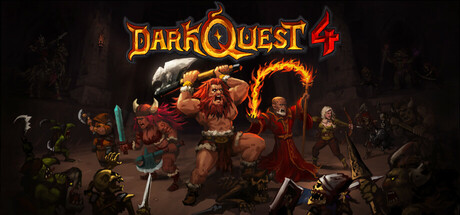
Pleasing Retro Art & Sound: Players appreciate the game's good design, pretty graphics, and great sound design. The retro-vibe pixel art style is noted as colorful, appropriate, and fitting well with the gameplay, further enhanced by an atmospheric soundtrack.
Strategic Turn-Based Combat: The core gameplay effectively combines board-type exploration with turn-based tactical combat, featuring strategic opportunities like dealing extra damage to surrounded monsters. The visuals evoke classic miniatures and game boards, enhancing the tactical feel.
Common complaints
Limited content, repetitive gameplay: The game is widely criticized for feeling monotonous and repetitive due to a perceived lack of content, such as a limited number of items in shops and simplified hero growth elements. This contributes to short playtime and a sense of boredom, leading some players to suggest features like procedural generation for more variety.
Clunky UI/UX, poor pacing: Players report several usability issues, including clunky elements in navigation and inventory, lack of character control, and a slow pace outside of combat. There's a strong demand for quality-of-life improvements like options to speed up movement, a 'Next Floor' button, and more comprehensive tooltips and probability displays, alongside better explanations for core mechanics.
Severe multiplayer connection issues: Players frequently encounter critical bugs impacting multiplayer, including connectivity failures, desync, inability to control characters, and friends loading into blank games. These issues make co-op play unreliable and frustrating, with some players spending significant time troubleshooting.
Conflicting roguelike desires: Player feedback is divided on the implementation of roguelike elements; some desire more procedural generation for increased variety, while others feel a particular game already incorporated too many roguelite features. This suggests a split in the player base regarding this design direction.
Unpopular fatigue system: The game's fatigue management system, which encourages or obliges players to rotate characters, is unpopular. Many players dislike being forced away from their preferred heroes, finding the system restrictive and detracting from their enjoyment.
Gameplay and performance
Strategic team management: Players manage a roster of diverse characters, assembling a hero team of three for each mission. A fatigue system and injury debuffs necessitate rotating characters, adding a strategic layer to party selection and character variation between missions.
Turn-based dungeon crawler: The game is a turn-based dungeon crawler, heavily inspired by board games like Gloomhaven and adapted from the HeroQuest system. Players delve into dangerous dungeons, facing tricky traps and powerful magic while fighting dark forces.
Card-driven abilities & inventory: Gameplay heavily relies on cards for equipment and special abilities, influencing attack types, health, defense, and magic resistance. Players earn coin to purchase these cards and potions, though inventory is restricted to one of each item type.
Streamlined design choices: The game features several simplifications compared to its inspirations, such as a more closed board strategy system and the removal of secret door searching. These choices aim to streamline gameplay, but might differ from traditional board game experiences.
Reasonable PC Requirements: Players noted that the game's PC system requirements are considered 'normal' or reasonable, suggesting it is not overly demanding on hardware. This implies good optimization or accessible graphics settings, though this feedback is based on a very limited sample.
Recommendations
Appeals to tactical RPG fans: The game is highly recommended for players who enjoy turn-based tactical RPGs, dungeon crawling mechanics, and experiences akin to board games. Fans of the series or specific genre elements will likely find deep engagement, though it may not appeal to those seeking fast-paced action.
Generally well-received: Many players offer general recommendations, signifying an overall positive impression of the game. While not specific, it suggests a good foundational experience for a segment of the audience.
Technical bugs require patches: Players are encountering bugs, suggesting that patches are needed for a smoother experience. Some recommend waiting for these fixes before diving in, indicating current technical issues impact playability.
A few players seek refunds: A minority of players expressed strong negative sentiment, resulting in requests for refunds or negative reviews. The underlying specific issues are not detailed, but it signals dissatisfaction among some users.
Replay missions for resources: A specific gameplay strategy involves replaying missions to acquire more skills and gear. This suggests a progression system where grinding is an encouraged or necessary method for resource accumulation.
Other review notes
Distinct board game aesthetic: The game's visual style is characterized by digital miniatures, painted scenarios, and a strong board game aesthetic. This design choice effectively positions it as a board game emulator, appealing to players who enjoy that genre.
Disconnecting bugs acknowledged: Players are experiencing issues with disconnecting bugs during gameplay. The developers are reportedly aware of these technical problems, which suggests they are being actively monitored and potential fixes may be in progress.
Responsive, open developers: There is positive feedback regarding the developers, who are described as friendly and open to player suggestions. This indicates a good level of community engagement and a willingness to improve the game based on user input.
Challenges due to complexity: One reviewer reported personal difficulties with the game, including a lack of skill and experiencing decision paralysis. This could suggest that the game features significant strategic depth or complexity, requiring considerable thought from players.