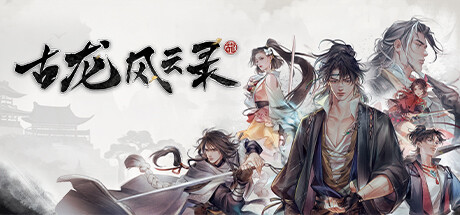
- Faithful adaptation of Gu Long's Wuxia world.
- Engaging, strategic combat system.
- Rich sidequests enhance the experience.
- Appeals to niche Wuxia/Gu Long fans.
- Story feels rushed, incomplete, unsatisfying.
- Clunky controls and combat hinder gameplay.
Emotions
What players like:
Common complaints:
Gameplay feedback:
Performance notes:
Recommendations:
Other player notes:
Similar games
Blend with other games




Review evidence
Why players say this
Review evidence
Why players say this
What players like
Faithful Gu Long adaptation: The game excels at capturing the essence of Gu Long's Wuxia novels through its writing, characters, and plot. Fans of Gu Long will appreciate the faithful recreation of his world and characters, while newcomers can easily immerse themselves in the story. The game successfully blends elements from various Gu Long novels, creating a cohesive and engaging experience.
Engaging and strategic combat: The game features a well-designed and engaging combat system that is easy to learn but offers strategic depth. Players praise the variety of martial arts styles, character combinations, and the introduction of new mechanics like the flaw system. The combat system is a core strength, providing a fun and rewarding experience.
Rich and rewarding sidequests: The game is packed with numerous side quests that are intertwined with the main story and offer substantial rewards. These side quests provide opportunities to recruit characters, acquire powerful equipment, and explore the game's world in greater detail. Many reviewers found the side quests more interesting than the main quest.
Improved graphics and presentation: Reviewers appreciate the game's improved graphics, appealing art style, and well-done music. The game's environments are beautiful, and the character models are more detailed than in previous installments. The overall presentation contributes to a positive and immersive experience.
Nostalgic Wuxia experience: The game evokes a sense of nostalgia for classic Wuxia RPGs and previous titles from the developer. Reviewers appreciate the familiar Heluo style and the game's ability to recreate characters and plot points from the original stories. The game is considered a good domestic product and a worthwhile experience for fans of the genre.
Common complaints
Rushed, incomplete, unsatisfying story: The game's story feels incomplete and rushed, particularly in the later chapters, with many plot holes and unresolved threads. The main character is often unlikable or inconsistent, and the romantic elements feel forced and poorly integrated. Many reviewers express disappointment in the narrative's lack of depth and unsatisfying conclusion.
Clunky controls and combat system: The game's controls and UI are clunky and unintuitive, lacking key remapping options and controller support. The combat system is criticized for being slow, tedious, and lacking innovation, with some reviewers finding it outdated. The camera is also problematic, causing motion sickness in some players.
Numerous bugs and poor optimization: The game suffers from numerous technical issues, including frequent crashes, freezes, and performance drops even on high-end PCs. Players report getting stuck in the environment, encountering mission trigger failures, and experiencing poor optimization that leads to overheating. These issues make the game feel unpolished and rushed.
Outdated and poor graphics: The game's graphics and character models are outdated and poorly designed, with some reviewers describing them as a decade behind current standards. The character art is often criticized for being ugly and lacking detail, detracting from the overall experience.
Poor difficulty and progression balance: The game's difficulty is poorly balanced, often being too easy and lacking depth and strategy. Level progression feels trivial, and the combat system becomes monotonous, with limited character customization and repetitive gameplay. The game lacks replayability due to the absence of a New Game+ mode.
Gameplay and performance
Strategic, turn-based Wuxia combat: The game features turn-based, grid-based combat with a Wuxia theme, building upon mechanics from previous Heluo games. It emphasizes strategic positioning, exploiting weaknesses, and utilizing terrain effects. The combat system includes elements like stances, martial arts, and item interactions.
Based on Gu Long's novels: The game heavily incorporates elements from Gu Long's novels, with many side quests and dialogue directly referencing his works. While the main storyline draws from Wulin Chronicles and other series, some reviewers found the side quests more engaging. Knowledge of Gu Long's novels enhances appreciation of the story.
Gathering, crafting, estate management: The game includes resource gathering, crafting, and estate management systems. Players can recruit NPCs to improve skills and manage their estate, while collecting materials on the map to craft equipment and medicine. Terrain effects can be manipulated with skills and accessories.
Deduction system, combine clues: The game features a 'Collection of Ideas' system for deductions, similar to Sherlock Holmes, allowing players to solve cases by combining clues. However, some reviewers found the system repetitive and noted that players could brute-force solutions. Incorrect deductions may lead to criticism from companions but do not affect the plot.
Diverse companions, unique skills: The game features a companion system with numerous recruitable characters, each possessing distinct personalities, fighting styles, and development paths. Players can form bonds with teammates to gain combat bonuses and unlock personal storylines. Characters have unique stats and skills.
Widespread performance and optimization issues: Numerous reviews report significant performance issues, including lag, stuttering, frame rate drops, overheating, and crashes, even on high-end hardware. These problems are especially prevalent during battles with many characters or special effects. Some players note that the game's optimization is worse than previous titles from the same developer and that the game had even more severe issues at launch.
Frame rate lock prevents crashes: One reviewer found that locking the frame rate to 60 FPS can prevent crashes. This is a potential workaround for the performance issues mentioned above.
Lacking music and sound: One reviewer felt that the music and sound effects are lacking. This is a negative point about the game's audio.
Recommendations
Niche appeal: Wuxia/Gu Long fans: Many reviewers suggest the game is primarily for existing fans of the Wuxia genre, Gu Long novels, or the developer Heluo. Others outside of these groups may not enjoy it as much. Some reviewers recommend trying the game and refunding if it doesn't suit their tastes.
Mixed feelings, flawed but playable: Many reviewers express mixed feelings, acknowledging both positive and negative aspects. Some find the game enjoyable despite its flaws, while others are disappointed and regret their purchase. This leads to varied recommendations, ranging from strong endorsements to outright discouragement.
Buy on sale for value: A common sentiment is that the game is worth buying, but only at a discounted price. This is often due to the game's perceived flaws, unfinished state, or the expectation of future updates and fixes. Some reviewers suggest waiting for a significant sale before purchasing.
Disappointment compared to previous titles: Some reviewers express disappointment with the game compared to previous titles from the developer, particularly 'Ho Tu Lo Shu'. They hope future games will return to the quality of earlier works or explore new creative directions. Some reviewers state they will not buy future games from the developer at launch.
Low replayability, one playthrough enough: Several reviewers mention they are unlikely to play the game a second time. This suggests that while the initial experience might be acceptable or even enjoyable for some, the game lacks the depth or replayability to keep players engaged long-term.
Other review notes
Development cut short, unfinished potential: The game's development appears to have been cut short, with no further updates or DLC planned. This decision has left some players feeling that the game's potential was not fully realized and that the story felt incomplete. Some players speculate that mixed reviews may have impacted the decision to end development.
Price not justified by quality: Several reviews suggest the game's price does not match its quality. Some compare it unfavorably to other titles, implying it doesn't deliver a commensurate experience for the cost. This point is somewhat vague, lacking specific examples of what makes the quality lacking.
Forced and disjointed affection system: The game's affection system and harem elements were controversial pre-release, leading to developer compromises. Some players found the resulting system to be forced and disjointed, negatively impacting their experience.
Inconsistent plot due to combined stories: The game adapts multiple works by Gu Long, aiming to capture the style and feeling of his novels. However, combining stories from different books has led to plot inconsistencies and may not align with the original timelines, potentially impacting the narrative's coherence.
Extensive map, crafting, and recruitment: The game features a large map with various activities, including side quests from traveling NPCs, clearing bandit camps, and resource gathering. Players can craft equipment and recruit heroes to Renyi Village, which provides buffs. The game also includes a fame system.