- Immersive, replayable narrative-driven clan management
- Excellent sequel, significant improvements
- Rich world and lore
- Obtuse mechanics and lore
- Repetitive, limited gameplay
- Overwhelming food management
Emotions
What players like:
Common complaints:
Gameplay feedback:
Performance notes:
Recommendations:
Other player notes:
Similar games
Blend with other games





Review evidence
Why players say this
Review evidence
Why players say this
What players like
Immersive & Replayable Gameplay: Players consistently praise the game's overall quality, highlighting its immersive and unique gameplay experience. The blend of strategy, narrative, and role-playing elements, combined with beautiful art and a fantastic soundtrack, creates a highly engaging and replayable experience.
Excellent Sequel & Improvement: The game is widely regarded as a significant improvement and worthy successor to its predecessors, King of Dragon Pass and Six Ages: Ride Like the Wind. It refines existing mechanics, expands on the lore, and offers a more integrated and engaging narrative experience.
Rich World & Lore: The game's world-building, lore, and mythological elements are consistently praised as fascinating, unique, and deeply engaging. The Bronze Age setting, combined with existential conflicts and a dying world theme, creates a rich and immersive backdrop.
Meaningful Player Choices: A core strength of the game lies in its impactful choice-consequence mechanics. Players appreciate the difficult ethical dilemmas and the genuine weight of their decisions, which directly influence the narrative and gameplay, enhancing immersion in a collapsing world.
Seamless Save Import Feature: A highly appreciated feature is the ability to import save files from the previous game, Six Ages: Ride Like the Wind. This allows for a continuous clan journey, with past choices and achievements influencing the current playthrough, adding unique depth and replayability.
Common complaints
Obtuse Mechanics & Lore: Many players found the game's mechanics and lore poorly explained, leading to a steep learning curve. The lack of in-game information forces players to rely on external resources, making it difficult for newcomers to the series or setting to engage.
Repetitive & Limited Gameplay: The game suffers from repetitive gameplay loops and events, especially in longer playthroughs. This lack of variety and perceived cut content leads to a feeling of limited freedom and reduced replayability.
Overwhelming Food Management: Food management is a constant and overwhelming challenge, often overshadowing other gameplay elements. Players feel perpetually on the brink of starvation, which detracts from engaging in exploration, diplomacy, or combat.
Lower Production Values: Players perceive the game as having lower production values and being a step down from previous titles in the series. This includes criticisms of the art style and overall polish.
Incomplete Game Systems: Key game systems, such as kingdom rivalries and political interplay, feel underdeveloped or incomplete. Several hinted plotlines and quests lack resolution, suggesting cut content.
Gameplay and performance
Narrative-driven clan management: The game is primarily a narrative-driven experience where players manage a tribal clan through a series of difficult choices and events. It blends elements of a choose-your-own-adventure story with resource and character management, focusing on the consequences of player decisions.
Dying gods and apocalypse: A central theme and gameplay mechanic revolve around the death or dying of gods and an apocalyptic world setting. This impacts available blessings, rituals, and creates a grim, high-stakes environment where the world is inevitably ending.
High difficulty and challenge: Players consistently found the game to be significantly more challenging and punishing than its predecessors. The difficulty stems from constant crises, resource scarcity, and a pervasive sense of dread, making survival a constant struggle.
Focused narrative and characters: Compared to previous titles, this game features a more focused and linear narrative with a greater emphasis on predetermined characters. While less open-ended, it still offers branching storylines and diverse outcomes based on player choices.
Save import feature: A notable feature is the ability to import save files from the first game, 'Ride Like the Wind'. This allows players to continue their story, bringing over historical data, characters, and events, enriching the ongoing narrative.
Frequent game crashes: Players are experiencing frequent crashes, especially during critical moments like boss fights or area transitions. This severely disrupts gameplay and leads to frustration, often resulting in lost progress.
Poor performance and framerates: The game suffers from significant performance issues, including low and inconsistent frame rates, even on high-end hardware. This makes the game feel sluggish and unresponsive, detracting from the overall experience.
Numerous in-game bugs: Many players report a variety of bugs, such as characters getting stuck, quests not progressing, and visual glitches. These issues, while not always game-breaking, accumulate to create a less polished experience.
Clunky user interface: The user interface is often described as clunky and unintuitive, particularly for inventory management and menu navigation. This makes basic interactions cumbersome and less enjoyable.
Unbalanced difficulty spikes: Some players feel the game's difficulty is unbalanced, with certain encounters being overly punishing or unfair. This can lead to frustration and a sense of unfairness rather than challenge.
Recommendations
Play Prequels First: Many players strongly advise newcomers to the series to play the prequel, Six Ages: Ride Like the Wind, or even King of Dragon Pass first. This is recommended for better lore appreciation and to fully experience story payoffs, as the game is better for existing fans.
Highly Recommended Game: Players overwhelmingly recommend the game, praising its quality and unique experience. Many consider it an excellent and enjoyable title.
Ideal for Narrative Strategy Fans: The game is highly recommended for fans of narrative-driven strategy games, especially those who appreciate deep lore, mythology, and unique decision-making in a rich fantasy setting. It appeals to players who enjoy visual novels and non-traditional strategy experiences.
Anticipation for Next Installment: Players who enjoyed this installment are eagerly looking forward to the next game in the series. There is a strong desire for the continuation of the story and gameplay.
Strong Developer Loyalty: Fans of the developer, A Sharp, express strong loyalty and trust, often pre-ordering their games. They believe the game is worth its full price, especially for those familiar with the studio's previous work.
Other review notes
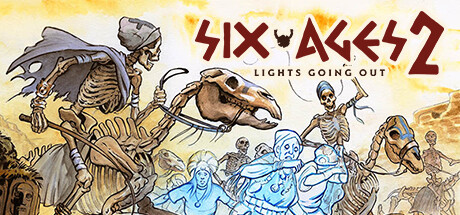
Evocative art style: Players consistently praise the game's art style, describing it as evocative, creative, and fitting for the mythic setting. It maintains a signature realist cartoon-ish fantasy aesthetic that many find appealing.
Captivating in-game events: Players find the in-game events to be engaging and enjoyable, contributing positively to the overall experience. These events are a key part of the game's appeal.
Mature themes and art: The game contains mature themes and art that some players note may not be suitable for children. This suggests a need for parental discretion or a clear content warning.
Steam Deck compatibility: The game performs well on the Steam Deck, with a specific recommendation for using touchscreen mode to enhance the experience on the portable device.
Unique niche fantasy setting: The game is recognized for its unique and niche fantasy setting, offering an experience that stands out from more conventional fantasy games.