- Engaging incremental gameplay loop
- Immersive atmosphere and UI design
- Outstanding soundtrack enhances immersion
- Short playtime and limited content
- Overpriced relative to content offered
- Technical and design flaws present
Emotions
What players like:
Common complaints:
Gameplay feedback:
Performance notes:
Recommendations:
Other player notes:
Similar games
Blend with other games



Review evidence
Why players say this
Review evidence
Why players say this
What players like
Engaging incremental gameplay loop: Players consistently praise the addictive and satisfying gameplay loop, highlighting its strategic depth and balance between progression and downtime. The mechanics are described as unique and more interesting than classic idle games.
Immersive atmosphere and UI: The attention to detail in the UI, sound design, and visuals creates a highly immersive experience. Players note the synergy between aesthetics, soundtrack, and narrative in building atmosphere.
Early-game engagement shines: The first few hours are frequently described as the most enjoyable, with mechanics feeling fresh and well-balanced. Some players note a decline in novelty after the initial playthrough.
Compelling and thought-provoking story: The narrative is described as engaging, emotionally impactful, and relevant, with players appreciating its depth and ability to provoke reflection on societal issues. The ending and plot twists are particularly praised.
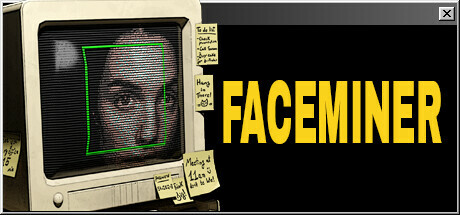
Strong retro 90s aesthetic: The visuals and UI emulate 90s desktop computing, creating a nostalgic and immersive experience. Players appreciate the authentic replication of Windows 95/98 aesthetics and its contribution to atmosphere.
Common complaints
Short playtime and content: The game is described as short, with some players completing it in as little as 3 hours. Midgame and endgame content is lacking, and replayability is minimal, leaving players wanting more.
Overpriced for content offered: Players feel the game is overpriced relative to its short playtime, shallow mechanics, and lack of content. Many argue it does not justify its cost, especially when compared to similar games in the genre.
Poor initial experience: The game is criticized for being confusing or complicated at the start, with a lacking tutorial and unclear mechanics. This makes it difficult for players to get invested early on.
Weak and heavy-handed storytelling: The narrative is criticized for being underdeveloped, linear, and overly simplistic in its messaging. The environmental and dystopian themes are described as clichéd, forced, and poorly conveyed, undermining the game's intended impact.
Disappointing and abrupt endings: Players express dissatisfaction with the game's endings, describing them as abrupt, anticlimactic, or failing to deliver on built-up expectations. Some report feeling negatively impacted by the lack of resolution or poor execution.
Gameplay and performance
Resource management integration: Resource management is a key gameplay element, requiring players to balance electricity, water, cooling, and hardware upgrades. This adds depth to the incremental mechanics and introduces strategic decision-making.
Narrative via emails and documents: The story is delivered through in-game emails, documents, and voiced messages, creating a unique narrative-driven experience. This method immerses players in the dystopian themes and corporate satire.
Endless and infinite modes: The game features an endless mode with new upgrades, AI degradation, and late-game challenges. This extends replayability and provides additional content post-story completion.
Multiple pacing and difficulty options: Players can adjust gameplay speed (e.g., normal/faster) and difficulty settings, including a 'breezy mode.' This customization caters to different playstyles and preferences.
Optimization and balancing mechanics: Players must balance profit, loss, and resource allocation, introducing strategic depth. This includes upgrading infrastructure, optimizing operations, and managing trade-offs.
PC Overheating and Throttling: Players report significant overheating issues, including heat throttling and unexpected shutdowns due to high temperatures. This suggests inadequate thermal management or optimization for PC hardware.
Minor Visual and Scaling Bugs: Minor visual glitches and scaling issues are noted, though they may not severely impact gameplay. These are likely low-priority fixes.
Game Crashes in Key Scenarios: Frequent crashes occur during specific in-game actions, such as opening the map with many nodes. This disrupts gameplay and indicates stability issues in critical systems.
Electron JS Performance Critique: Players criticize the use of Electron JS, implying poor optimization and performance overhead. This may contribute to system strain and inefficiency.
Dark Interface and UI Bugs: Visual bugs affect the dark interface, including incorrect window sizes and misdisplayed upgrade pricing. These issues impact usability and clarity.
Recommendations
Highly recommended for idle/clicker fans: The game is frequently recommended for fans of idle, clicker, and incremental games, particularly those who enjoy resource management, horror themes, or micromanagement. Many reviews highlight its appeal to this niche audience.
Mixed recommendations due to depth: Some players recommend the game despite its flaws, such as repetitive mechanics or lack of depth, while others explicitly advise against it unless the themes align with personal interests.
Worth the price for casual play: Reviewers suggest the game is a good value for its price, especially for casual players or those looking to kill 2-3 hours. Some note it’s best purchased on sale or at a lower price point.
Niche appeal beyond clicker games: While primarily an idle/clicker game, its unique blend of narrative, horror, and dystopian themes may attract players outside the typical clicker audience, including those new to the genre.
Best for short, immersive sessions: The game is recommended for players who can dedicate 2-3 hours to a full session, as it’s designed to be experienced in one sitting for maximum impact.
Other review notes
Satirical critique of corporate surveillance: The game heavily critiques corporate surveillance, AI, and data collection, reflecting real-world concerns about capitalism and climate change. Players note its thematic depth and relevance to modern issues.
1999 PC nostalgia aesthetic: The game immerses players in a late 90s/early 2000s PC setting, leveraging nostalgia for desktop aesthetics, WinAmp, and retro tech. This enhances its thematic and atmospheric appeal.
Thematic focus on ethics and responsibility: The game explores personal responsibility, the bystander effect, and environmental ethics, adding layers to its critique of corporate and societal behavior.
Over-the-top satire: Players note the game’s satirical and exaggerated tone, which amplifies its critique of neoliberalism, techno-spiritualism, and commercialized activism.
Suggestions for mini-games: Players propose adding mini-games like Minesweeper to compensate for perceived lack of content, offering constructive feedback for developers.