- Excellent atmosphere and immersion
- Engaging puzzles and exploration
- Intriguing story and mysteries
- Extremely short playtime
- Unclear and confusing story
- Clunky controls and bugs
Emotions
Archetypes
What players like:
Common complaints:
Gameplay feedback:
Performance notes:
Recommendations:
Other player notes:
- -
No data available
Similar games
Blend with other games


Review evidence
Why players say this
Review evidence
Why players say this
Steam review verdict
Excellent atmosphere and engaging puzzles are undermined by extremely short playtime, a confusing story, and clunky controls.
What players like
Excellent atmosphere and immersion: A large number of reviews emphasize the game's outstanding atmosphere, describing it as atmospheric, mysterious, haunting, nostalgic, and immersive. The combination of visual detail, sound design, lighting, and setting consistently engages players and makes them feel truly present in the game world.
Engaging puzzles and exploration: Players appreciate the puzzles for being logical, solvable, and organically tied to the story. The exploration of details, easter eggs, and environmental storytelling is highlighted as rewarding, with many items being meaningful and puzzles requiring thoughtful interaction.
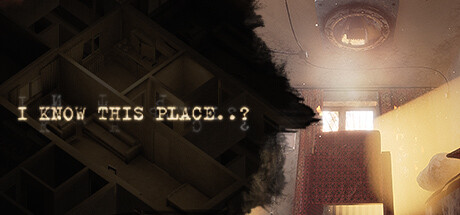
Nostalgic Soviet apartment setting: Many reviews highlight the detailed, nostalgic Soviet apartment environment, mentioning items like carpets, vinyl records, tube TVs, and faded wallpaper. This authentic post-Soviet setting is praised for creating a warm, eerie, and immersive atmosphere that captures the spirit of the era.
Unique and ambitious concept: The game is described as having a creative, bold, and unusual concept that stands out from other games. Players find the story-driven approach, player influence on story, and the blend of post-Soviet nostalgia with mysticism to be refreshing and original.
Intriguing story and mysteries: Players frequently mention that the game's story is mysterious, unpredictable, and thought-provoking, with a strong narrative that hooks players from the start. The blend of sci-fi, mysticism, Russian folklore, and detective elements creates an engaging experience that leaves players wanting more.
Common complaints
Extremely short playtime: The game's first chapter is very short, ranging from 10 to 40 minutes, with many players reporting completion times around 15-20 minutes. This brevity leaves players feeling that the content is insufficient and that the chapter ends abruptly, especially when immersion begins.
Unclear and confusing story: The narrative is described as confusing and unclear from the start, with players unsure of motivations, events, and genre (mysticism vs. fantasy). The story offers no answers, only questions, and fails to engage players meaningfully.
Clunky controls and bugs: Reviewers report clunky and terrible controls, including inconvenient interactions with kitchen cabinets, door opening mechanics that are inconsistent, and bugs such as items falling through the floor. Overall polish is lacking.
Lack of gameplay mechanics: The game is described as having minimal gameplay, primarily consisting of walking around a tiny apartment with few interactive objects. Puzzles are illogical, too easy or trivial, and there is a lack of meaningful puzzles and interactivity.
High price for low content: Many reviewers criticize the price (around 110-125 rubles) as too high given the extremely short length and limited gameplay. The value proposition is poor, with some explicitly recommending to skip this chapter and buy the next one instead.
Gameplay and performance
First-person exploration puzzle game: The game is consistently described as a first-person puzzle game focused on exploration, with point-and-click interactions, environmental storytelling, and logical puzzles woven into everyday settings.
Short narrative prologue with episodic structure: The game is a short prologue (under an hour) serving as the first chapter of a planned episodic transmedia project, with community-driven story development and player voting influencing future chapters.
Soviet/post-Soviet atmosphere and setting: The game is set in a nostalgic Soviet or post-Soviet apartment environment, with strong atmospheric details, cultural references, and a sense of disorientation and slow-paced exploration.
Atmospheric and slow-paced gameplay: The game features slow-paced exploration and puzzle-solving, building a sense of disorientation while emphasizing environmental storytelling, surrealism, and mysticism.
Community-driven and achievement-focused: The game includes community token rewards, player voting for story progression, and achievement hunting, with multiple playthroughs offering new content and player feedback being considered.
Performance issues on low-end hardware: Multiple clusters indicate that the game struggles to run on laptops and lower-end PCs, even on low settings. While one cluster reports normal requirements, others highlight optimization problems and poor performance on weaker machines.
Bugs and clunky controls: Players report experiencing bugs, awkward controls, and a general feeling of clunkiness. These issues detract from the overall gameplay experience.
Missing textures and visual glitches: Some objects in the game lack textures, indicating missing assets or rendering problems that affect visual quality.
Sound volume problems: There are issues with the game's audio, specifically concerning volume levels, which may impact immersion or clarity.
Recommendations
Strong mixed reception overall: Reviews are deeply polarized: many players strongly recommend the game for its atmosphere, nostalgia, and slow-paced style, while others strongly advise against buying it in its current incomplete state, citing lack of coherent story or content.
Appeals to niche audience: The game is recommended for players who enjoy slow-paced, atmospheric, and meditative experiences, fans of Soviet culture and 90s nostalgia, and those who like puzzle/detective games. It is not for action-seekers.
Potential value for dedicated fans: Despite mixed feedback, many players find the game worth supporting and look forward to future chapters, praising its unique atmosphere and experimental format.
Do not buy in current state: Several clusters strongly recommend against purchasing the game now, citing it is unfinished, risky, or a poor value. Some suggest spending money elsewhere or waiting for the full release.
Buy second chapter directly: Multiple clusters advise skipping the first chapter and buying the second chapter instead, as the first is considered incomplete or unsatisfying on its own.
Player profiles
Meditative Walker: Explores at a slow pace, solves puzzles for narrative progression, and prioritises introspection over action. Motivation: Immersion in story and atmosphere. Stance: buy.
Nostalgic Quest Seeker: Solves puzzles methodically, appreciates old-school design and narrative charm. Motivation: Nostalgia for classic adventure games. Stance: buy.