- Likable and deep characters
- Great production values
- Enjoyable route system
- Unlikable inconsistent protagonist
- Slow uneventful pacing
- Misleading death game marketing
Emotions
Archetypes
What players like:
Common complaints:
Gameplay feedback:
Performance notes:
- -
No data available
Recommendations:
Other player notes:
Similar games
Blend with other games




Review evidence
Why players say this
Review evidence
Why players say this
Steam review verdict
Despite deep likable characters, strong production values, and an enjoyable route system, the inconsistent protagonist, slow uneventful pacing, and misleading death game marketing hold it back.
What players like
Likable and deep characters: The characters are likable, well-written, and enjoyable to spend time around. They grow on players over time.
Great production values: The game has high production values, including gorgeous visuals, admirable voice acting, and nice sound design. The soundtrack and music are also decent.
Enjoyable route system: The gameplay of choosing routes by who you hang out with is interesting. The Trust and Suspicion routes are particularly enjoyed.
Enjoyable mini-games: The mini-games are helpful, enjoyable, and have a nice retro feel. Fishing and arcade games are fun distractions.
Varied and unique cast: The cast is varied and unique, with characters from different backgrounds and nationalities. Characters have distinct personalities, interests, and viewpoints.
Common complaints
Unlikable and inconsistent protagonist: Players frequently criticize the main character as annoying, insufferable, and poorly written, with sudden personality shifts across routes. This makes him difficult to sympathize with or control.
Slow, uneventful pacing: Many reviewers found the game boring due to long stretches with nothing happening, excessive filler dialogue, and a plot that takes too long to develop. The day-by-day structure is often described as tedious.
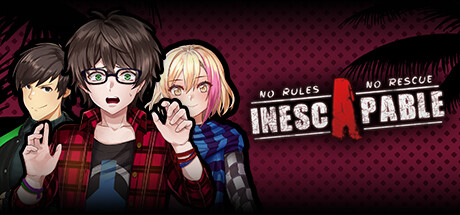
Misleading death game marketing: The game is advertised as a death game similar to Danganronpa or Zero Escape, but players report it is mostly slice-of-life drama with little danger, few deaths, and minimal puzzles. This discrepancy left many feeling deceived.
Weak and unsatisfying story: Reviewers criticize the narrative as poorly written, with amateurish writing, convenient twists, and unsatisfying endings. The story often fails to engage or deliver on its premise.
Unlikable and bland characters: Beyond the protagonist, many characters are described as unlikable, one-dimensional, or stereotypical. Some specific characters like Sasha are called annoying or forced.
Gameplay and performance
Branching routes and endings: The game features multiple routes and endings, with four main routes determined by player choices. This branching structure encourages replays to explore different paths.
Visual novel dialogue: The game is a visual novel with dialogue sequences and conversation choices. Players engage with story-driven dialogue and make occasional decisions.
Four distinct routes: There are four routes with wildly different scenarios, each focusing on different characters and story elements. The routes include Lust, Suspicion, Greed, and Trust.
Mini-games included: The game includes various mini-games such as arcade games, fishing, and a neon runner. These are mostly optional and infrequent.
Day-by-day progression: The game progresses day by day, with each day split into three parts and 2-3 timeslots to fill. Players choose where to go and who to talk to.
Recommendations
Not worth full price: Many reviewers feel the game is overpriced at its current price point and recommend waiting for a sale or a significant price drop. Some suggest a price of around $20-$30 would be more appropriate.
Recommended for genre fans: Despite mixed opinions, some reviewers recommend the game to fans of visual novels, character-driven death games, or Personal Horror. They suggest it's enjoyable for those who know what to expect.
Not recommended overall: Several reviewers explicitly do not recommend the game, some even strongly advising against it for fans of the genre or at any price. Negative reviews cite feeling lied to and a lack of entertainment.
Avoid Danganronpa comparisons: Players expecting a game similar to Danganronpa, Zero Escape, or Your Turn to Die may be disappointed. Reviewers advise going in with an open mind and not expecting the same experience.
Mixed recommendation with caveats: Some reviewers give tepid recommendations, noting the game appeals to a select group or requires an interest in specific types of experiences. Others recommend only if you have the money or are specifically interested.
Buying context
Community fair range: $15.00 - $25.00.
Game completion: 30.0h.
Story completion: 20.0h.
Reviews consistently describe a slow, repetitive slice-of-life structure that contradicts its death-game marketing, with players still reporting boredom after long play sessions. Only conditional, hedged positives appear, so the game does not reach a reliable fun state for these players.
Friction: Marketing promises a death game but the content is mostly slice-of-life and dating sim; Long stretches with nothing happening and few meaningful choices; Repetitive, cheesy dialogue and limited gameplay interaction; Bland or unlikable characters early on; No way to tell which route the player is on; Slogging through unimportant scenes for occasional good moments.
Unlock drivers: Lowering expectations allows enjoyment of the well-written dialogue; Characters gradually growing on the player after a rough start.
Player profiles
Death-Game Genre Purist: Compares visual novel mechanics and killing-game structure against established genre titles before deciding whether the game is worth playing. Motivation: Finding an authentic death-game mystery that matches the genre promise of Danganronpa and Zero Escape. Stance: no buy.
Open-Minded Genre Fan: Reads through route-based visual novel content and tolerates uneven execution if the overall genre appeal is present. Motivation: Enjoying death-game-adjacent visual novels even when they differ from the genre's most famous titles. Stance: buy.
Route Completionist: Plans route order deliberately, tracks completion, and may use guides or external reference while working through all content. Motivation: Experiencing every route and completing achievement or competition goals. Stance: buy.
Other review notes
Comparisons to Danganronpa and Zero Escape: Reviewers frequently compare the game to Danganronpa, Zero Escape, and Your Turn To Die, noting similarities in premise but often finding it falls short. Some describe it as a weaker imitation or a clone.
Comparisons to other visual novels: Reviewers also compare the game to Scarlet Nexus, Sword Art Online, World End Syndrome, and Agatha Christie's works, highlighting different aspects of gameplay and story. These comparisons serve to contextualize the game within the genre.
Indie production quality: Reviewers mention that the game has a noticeable indie-game vibe compared to Japanese visual novels in the same price range, and it was developed by an indie company. This affects perceptions of polish and value.
Route quality varies: Individual route ratings differ significantly, with the Trust Route receiving a 7/10 and the Greed Route a 3/10, leading to an overall mixed assessment. This variability is noted by players who have experienced multiple routes.
Playtime and progress details: Reviewers mention specific playtime details, such as 13 hours, 20 hours, and being on day 130 of 180, providing context for their experience. These details help gauge the game's length and pacing.