- Therapeutic and supportive community experience
- Diverse communication methods available
- Anonymous letter-based emotional support system
- Technical instability and frequent bugs
- Severe character limit frustrations
- Low playerbase creates empty feel
Emotions
What players like:
Common complaints:
Gameplay feedback:
Performance notes:
Recommendations:
Other player notes:
Similar games
Blend with other games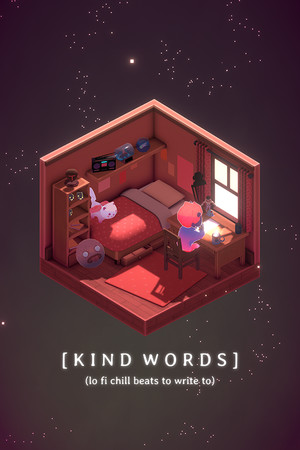






Review evidence
Why players say this
Review evidence
Why players say this
What players like
Therapeutic and supportive community: Players highlight the game’s role in emotional support, offering a space for venting, advice, and kindness. The community is consistently described as wholesome, non-toxic, and uplifting.
Diverse communication methods: Beyond letters, the game offers poetry, book/music recommendations, cat-naming, and threaded conversations. These varied interactions keep engagement fresh and cater to different preferences.
Cozy and relaxing atmosphere: The game’s aesthetic, music, and design create a calming environment. Players appreciate its role as a peaceful, low-pressure space for self-expression and relaxation.
Chain Forest and collaborative features: The Chain Forest and threaded conversations provide engaging ways to share thoughts and stories. Players enjoy the collaborative and exploratory aspects of these features.
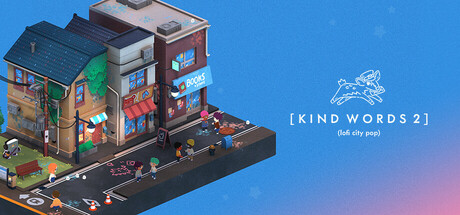
Improvements over first game: New features like outdoor interactions, expanded activities, and better customization enhance the experience. Players note the game retains its core charm while adding depth.
Common complaints
Overpriced for limited content: The $20 price tag is widely criticized as unjustified due to minimal new features, redundancy for first-game owners, and lack of depth. Many suggest a $10 cap would be fair.
Severe character limit frustrations: Players consistently report that the short character/letter limits hinder meaningful communication and self-expression. This issue is compounded by unreadable translations for non-English inputs (e.g., Chinese/Korean).
Technical instability and bugs: Frequent crashes, freezing, unreadable text, and navigation glitches (e.g., buttons persisting, characters not loading) severely disrupt gameplay. Day-one bugs remain unaddressed.
No pen pal or continuity system: The forced anonymity and lack of relationship-building tools (e.g., pen pals) create loneliness and superficial interactions. Players want to revisit conversations with the same person.
Low playerbase and empty feel: The game feels like a 'ghost town' due to sparse player interactions, reducing motivation to engage. A larger, stable community is needed for viability.
Gameplay and performance
Anonymous letter-based communication: The game features an anonymous letter-writing system where players exchange messages, advice, and personal struggles without sharing personal information. This system is designed to foster a supportive, pen-pal-like environment with local storage and deletion options.
Emotional support and catharsis: The game functions as a digital support group, allowing players to anonymously vent frustrations, share struggles, and receive kind responses or advice from others.
Themed social interaction spaces: Players interact in dedicated environments like poetry cafés, bookstores, forests for threaded conversations, and recommendation hubs. These spaces encourage topic-specific discussions (e.g., media recommendations, poetry challenges).
Sticker reward and customization: Players earn stickers for meaningful engagement (e.g., helpful advice) and use them to decorate avatars or rooms. Stickers serve as both acknowledgment and a creative outlet.
Media and content recommendations: Dedicated areas like bookshops and record stores allow players to share and request recommendations for books, music, films, and games, centralizing discovery in one location.
Game crashes and freezes frequently: Players report frequent crashes at launch, freezing issues during gameplay, and the application failing to start correctly. This severely disrupts the gaming experience and may prevent access entirely.
Network and connectivity issues: Players experience network errors (cURL 52 & 28), severe packet loss between Zayo and DreamHost, and regional routing problems (e.g., SEA), leading to disconnections or lag.
Movement and interaction bugs: Players encounter bugs in the 'Outside' map affecting movement, as well as issues where interactions with game elements become impossible, breaking core gameplay mechanics.
High CPU usage and slow loading: The game demands more CPU resources than expected, leading to performance bottlenecks. Slow loading times between activities further frustrate players.
Text rendering problems post-translation: Using XUnity.AutoTranslator-ReiPatcher causes text rendering issues, making in-game text unreadable or distorted for some players.
Recommendations
Purchase recommendations and sales: Many players suggest buying the game during a sale or recommend it based on its unique premise. However, some advise waiting for improvements or opting for the first game instead of the sequel.
Desire for extended interactions: Players frequently request features like longer letters, pen pal-style communication, or open communication threads to deepen anonymous interactions. This is seen as a key improvement for the game’s core experience.
Wholesome game for empathy and connection: The game is highly recommended for players seeking human connection, empathy, and a gentle, supportive environment. It is particularly valued by those experiencing anxiety, depression, or a desire to help others, offering a refuge from competitive gaming.
Relaxation and cozy gaming appeal: The game is praised for its calming, low-pressure environment, making it ideal for relaxation and cozy gaming sessions. It avoids forced participation, enhancing its appeal as a stress-free experience.
Support for developers and genre: Players express encouragement for the developers and the genre, highlighting the game’s unique vision and the importance of supporting innovative, wholesome experiences.
Extra review signals
Monetization: The user feedback highlights dissatisfaction with the game's pricing as a one-time purchase, with multiple reviews describing it as 'overpriced' for the content provided. Users compare it unfavorably to the first game and suggest it should have been released as a DLC rather than a standalone product. However, there is no evidence of predatory monetization, real-money microtransactions, or aggressive in-game purchases. The complaints are centered on the value of the base game, not exploitative monetization tactics.
Other review notes
Game exploits mental health vulnerabilities: Players criticize the game for attracting individuals seeking mental health or trauma support, comparing it to anti-social media platforms. This raises ethical concerns about its design and target audience.
Demand for multilingual support: Players request an online translation feature and Chinese language support to improve accessibility. This suggests a need for broader linguistic inclusivity in the game.
Criticism of sequel over DLC expansion: Players express frustration over the decision to develop a sequel instead of expanding the first game or releasing DLC. This reflects a preference for deeper content in the existing game.
Improve exploration and community features: Players suggest enhancing world exploration mechanics and community interaction to foster a more engaging and connected experience within the game.
Anonymity benefits over traditional SNS: The game is praised for offering anonymity advantages compared to traditional social networking services (SNS), which may appeal to players seeking privacy or reduced social pressure.