- Charming visual and audio design enhances experience
- Wholesome community fosters kindness and support
- Anonymous system provides emotional support safely
- Therapeutic impact aids mental well-being effectively
- Emotional overload risks from heavy content
- Anonymity can enable toxicity and trolling behavior
Emotions
What players like:
Common complaints:
Gameplay feedback:
Performance notes:
Recommendations:
Other player notes:
Similar games
Blend with other games


Review evidence
Why players say this
Review evidence
Why players say this
What players like
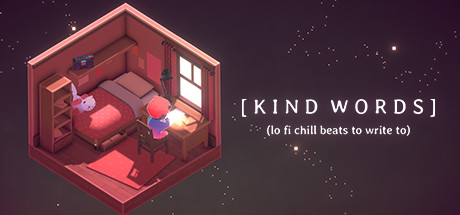
Charming visual and audio design: The game’s aesthetic, including its deer mail carrier, lo-fi soundtrack, and cozy room decor, is praised for creating a calming and inviting atmosphere. The music and art style are frequently highlighted as standout features.
Wholesome and kind community: The player base is consistently described as supportive, respectful, and free of toxicity, with strict moderation ensuring a safe space. Players appreciate the lack of trolls and the emphasis on empathy and positivity.
Anonymous emotional support system: The game’s core feature allows players to anonymously exchange letters for emotional support, fostering a therapeutic and community-driven experience. Players highlight its warmth, anonymity, and ability to connect strangers through kindness.
Therapeutic and healing impact: Many players report the game helping them through personal struggles, such as depression, loss, or self-acceptance. The act of giving/receiving support is described as cathartic and life-changing.
Positive cross-generational appeal: The game attracts a diverse age range, from teens to adults, and is praised for its universal themes of kindness and connection. Players of all backgrounds find value in its supportive community.
Common complaints
Emotional overload from heavy content: Users report overwhelming exposure to emotionally heavy topics like depression, suicide, and trauma, which can be distressing or harmful, especially for those with mental health vulnerabilities. The lack of content filters or professional oversight exacerbates this issue.
Anonymity enables toxicity and trolling: Anonymous interactions lead to unkind responses, meme spam, or harmful advice, with users noting incidents of name-calling and guilt-tripping. The lack of moderation (e.g., only two moderators) worsens these risks.
Limited message depth and functionality: The game restricts message length (e.g., 3 sentences or 8 lines), making it difficult to express nuanced thoughts or provide meaningful advice. Users also criticize the lack of sustained interaction, such as follow-up replies or penpal systems.
Language barriers exclude non-English speakers: The game lacks support for languages like Chinese, Russian, or Spanish, making it inaccessible or frustrating for non-English speakers. Some users also report unreadable requests due to language differences.
Not a substitute for professional help: Users emphasize the game cannot replace therapy, as responses lack professional context and may cause irreversible harm. The FAQ also fails to guide users on handling severe issues like self-harm.
Gameplay and performance
Anonymous letter exchange system: The game centers on an anonymous pen-pal system where players write and receive letters or messages from strangers. This fosters community interaction and emotional support without revealing identities, using mechanics like a mail carrier or paper airplanes.
Limited message interactions: Players face constraints like character limits (e.g., 7 lines for requests, 14 for replies) and one-time interactions per user. This design encourages thoughtful but concise communication.
Moderation and safety systems: The game includes reporting mechanisms for inappropriate content, warnings against trolling, and filters for malicious users. This ensures a safe and supportive environment for players.
Sticker rewards and collection: Players receive stickers as rewards for participating, such as replying to letters or sending encouragement. These stickers can be collected, traded, or used to decorate virtual rooms, adding a layer of engagement and personalization.
No traditional gameplay goals: The game lacks a fail state, storyline, or progression system. Instead, it focuses on interactive, open-ended experiences like writing letters, decorating rooms, and listening to music.
Game freezes require hard reboots: Players report frequent game freezes that necessitate hard reboots, disrupting gameplay and causing frustration. This is a critical stability issue that impacts user experience.
Optimized for low-end hardware: The game performs well on minimal hardware, including very low-spec devices like calculators, making it accessible to a broader audience. This suggests efficient coding and resource management.
Recommendations
Highly recommended for emotional support: The game is widely praised as a therapeutic and supportive environment, ideal for those seeking comfort, kindness, or a break from life's stresses. Many reviewers highlight its ability to reduce loneliness and foster empathy.
Encourages kindness and empathy: The game’s design and community foster positive interactions, teaching empathy and spreading kindness. Reviewers appreciate its focus on meaningful, wholesome communication.
Limited long-term social value: The game is not recommended for those seeking deep, long-term friendships or in-depth connections, as it focuses on temporary emotional support rather than sustained relationships.
Add ambient features for relaxation: Suggestions include expanding message limits and adding white noise (e.g., rain sounds) to enhance the game’s calming ambiance and improve user experience.
Interest in sequel or DLC: Some users express enthusiasm for purchasing a sequel or additional content, indicating strong engagement and satisfaction with the game’s concept.
Other review notes
Emotional impact and risks highlighted: Players share personal anecdotes about the game's emotional effects, including both positive inspiration (e.g., kindness, empathy) and negative interactions. There are warnings about risks for hyper-empathetic players and children, emphasizing the need for caution.
Game explores deep societal themes: Players frequently compare the game to real-world psychological experiments and discuss its impact on societal issues like happiness, family dynamics, and social skills. The game's themes provoke thought on dependency, toxicity, and the decline of face-to-face interactions.
Moderation and content limits tested: Players experiment with the game's moderation systems and content boundaries, suggesting a need for clearer safety measures and guidelines to protect users.