- Compelling story, characters, and world-building.
- Excellent music and radio enhance the experience.
- Strategic and engaging turn-based combat system.
- Unique and beautiful post-apocalyptic setting.
- Camera and controls are problematic.
- Combat feels slow, repetitive, and uninspired.
What players like:
Common complaints:
Gameplay feedback:
Performance notes:
Recommendations:
Other player notes:
Similar games
Blend with other games





Review evidence
Why players say this
Review evidence
Why players say this
What players like
Compelling story, characters, world: The game features a compelling narrative, memorable characters, and excellent world-building. The story explores themes of hope, friendship, and survival, enhanced by well-written dialogue and a melancholic atmosphere. The music and sound design are also praised for complementing the narrative and world.
Excellent music and radio integration: The game features an exceptional soundtrack with bittersweet alternative and indie music, enhancing the atmosphere and complementing the game's themes. The radio, featuring a returning host and pirate radio tunes, adds significantly to the road trip atmosphere and is considered one of the best aspects of the game.
Strategic, engaging turn-based combat: The turn-based combat system is enjoyable and strategic, encouraging players to use character abilities, manage equipment, and utilize the interactive environments to their advantage. Encounters can be resolved peacefully or through strategic thinking rather than relying solely on powerful weapons.
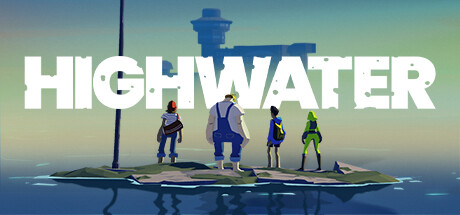
Unique, beautiful post-apocalyptic setting: The game is set in a unique and beautifully rendered post-apocalyptic world, where a climate catastrophe has turned Earth into an archipelago. The visuals combine low-poly elements with a rich color palette, creating a distinct and visually pleasing atmosphere.
Witty humor and social commentary: The game incorporates witty humor and comedic situations, offering a sarcastic look at society and politics. It also includes musical numbers integrated into the narrative and references to local newspapers and books.
Common complaints
Camera and control issues: Several reviews mention issues with the game's camera and controls. These issues include awkward camera angles, obstructed views during combat, unresponsive cursor clicks, and inverted camera controls that cannot be remapped. These problems contribute to a frustrating and clunky user experience.
Combat: slow, repetitive, uninspired: The turn-based combat is a major point of criticism. Reviewers found it slow, clunky, repetitive, and lacking strategic depth. Many felt it overstayed its welcome, overshadowing other aspects of the game and negatively impacting the overall pacing and enjoyment.
Limited, uninspired exploration: Reviewers express disappointment with the limited exploration opportunities and uninteresting world design. The world feels empty, islands are similar, and the lore is uninspired, making exploration monotonous and unsatisfying. Players are often restricted to linear paths with little room to stray.
Game feels unfinished, unpolished: Multiple reviewers describe the game as feeling unfinished, unpolished, and rushed. This is evidenced by subpar writing, a lack of voice acting, wonky controls, technical flaws, and a general sense that the game is not fully realized. Some reviewers felt it was a downgrade from the developer's previous titles.
Poor writing and translation: The game's writing and translation quality are criticized. Reviewers found the dialogue annoying, the plot simple and artificially lengthened, and the translation shaky. Some felt the story was disorganized and the ending unsatisfying.
Gameplay and performance
Strategic turn-based combat with environment: The game features turn-based combat on small arenas, where players strategically use character-specific abilities, weapons, and environmental elements. Battles lack RPG elements like leveling or skill progression, focusing instead on tactical decision-making within the environment. Combat serves primarily to advance the plot.
Boat exploration in flooded world: Players navigate a flooded, post-ecological disaster world by boat, exploring islands and ruins to gather resources, uncover the story, and encounter friends and foes. The core gameplay loop involves traversing the water, sometimes accompanied by a radio broadcast, to find collectibles, equipment, and engage in battles.
Environmental interaction and character abilities: Characters can utilize a variety of attacks, including melee and ranged weapons, and can even hack robots. The environment offers interactive elements like toppling trees and pushable carts, as well as defensive scenery and boosters to enhance character stats.
Simple gameplay, unexplained mechanics: Some reviews express that the gameplay is simple, with limited variation in weapons and items. Some players found the battles, perks, or special abilities unexplained or difficult to decipher.
Story driven exploration: The game involves making new friends and solving mysteries as the story progresses. The player controls a character who seeks partners and overcomes obstacles in a post-apocalyptic world to pursue a new life. The game features exploration, puzzle-solving, and combat, enriching the game's depth and prompting reflection on humanity and society.
Inconsistent technical performance: The game's technical performance is inconsistent. Some players report lag and bugs, while others describe it as technically sound. This discrepancy suggests that the issues may be hardware-dependent or intermittent.
Good hardware optimization: The game is optimized to run well on a variety of hardware configurations. Reviewers specifically noted good performance on both low-end PCs and at 1440p resolution.
Excellent loading times: Many reviewers have praised the game's short loading times. This contributes to a smoother and more enjoyable player experience.
Recommendations
Mixed reception; many flaws: Many reviewers express mixed feelings, with some outright recommending against playing due to various flaws, bugs, or a feeling of incompleteness. Others suggest it may appeal to specific audiences or be worth considering on sale. There is no clear consensus, but the negative reviews cite significant issues.
Enjoyable for niche audiences: Some reviewers found the game enjoyable, especially those who appreciate the series, post-apocalyptic settings, narrative-driven experiences, or turn-based combat. However, several suggest waiting for a sale, indicating the full price may not be justified. The game is considered average overall.
For franchise fans: The game is recommended for those invested in the franchise or familiar with the developer's previous works. Reviewers suggest playing this game first before other related titles to fully appreciate the series' lore and evolution.
Oppressive world, weak ending: The game effectively presents a story and oppressive world, prompting reflection on authoritarian relationships and systems of deprivation. However, the ending reveals too much, diminishing its impact. The narrative and world-building are strong points, but the ending is a weakness.
Atmospheric, Steam Deck suitable: The game's melancholic atmosphere and movement are considered positive aspects. It is also noted as a suitable game for playing on the Steam Deck, suggesting it is well-optimized for that platform.
Other review notes
Part of the 'Nostalgiaverso' series: Highwater is the third game in the 'Nostalgiaverso' mini-saga by Demagog Studio, connected to Golf Club Nostalgia and The Cub, but playable as a standalone title. The games share the same world, but each has different gameplay mechanics. Highwater features isometric turn-based combat.
Story about escaping flooded Earth: The story focuses on Nikos and a group of refugees navigating a flooded world, trying to escape to Mars due to Earth's climate catastrophe. Players encounter various characters during Nikos's adventure, presented in a low-poly aesthetic.
Radio station enhances narrative: A radio station provides narrative context and alternative music throughout the game. Highwater Pirate Radio replaces Highwater Radio Nostalgia from previous titles.
Lacks polish, poor execution: Some reviewers felt that the game lacks polish and suffers from poor execution despite having a good concept. This suggests potential issues with the gameplay mechanics or overall presentation.
References various cultural figures: The game features references to various cultural and artistic figures and concepts, such as Rimbaud, Francis Fukuyama, Charles Chaplin, the Fibonacci sequence, Eadweard Muybridge, and Georges Méliès.