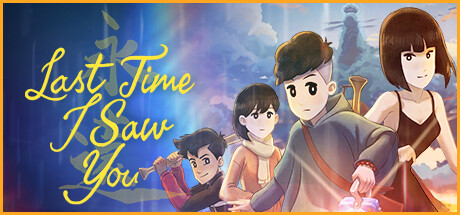
- Artwork is absolutely gorgeous
- Music and art blend beautifully
- Story is mediocre and flat
- Gameplay is simplistic and shallow
- Translation and language issues present
- Characters lack depth
Emotions
Archetypes
What players like:
Common complaints:
Gameplay feedback:
Performance notes:
Recommendations:
Other player notes:
Similar games
Blend with other games 84%The Little Tomb: The Maholova Club and the Search for a Dead Body
 83%Tales from Toyotoki: Arrival of the Witch (The witch of the Ihanashi)
 80%Love at First Sight
 80%Mr. Saitou
 80%Touhou Gensokyo Visitor
 80%A Space for the Unbound
 79%Mixtape
 79%Marco & The Galaxy Dragon
 78%Beeswing
 78%LiEat
 78%ATRI -My Dear Moments-
 78%Spirit Hunter: Death Mark II
Review evidence
Why players say this
Review evidence
Why players say this
Steam review verdict
Beautiful artwork and music blend wonderfully but the story is mediocre, gameplay shallow, and characters lack depth with translation issues.
What players like
Artwork is gorgeous: The art style is stunning, with beautiful painted visuals that stand out and enhance the overall atmosphere of the game.
Music and art blend beautifully: The art and soundtrack are beautiful and well-made, with the hand-drawn art and music working together to enhance the overall experience.
Narrative is well-crafted: The story is praised for being well-organized, flowing, and outstanding, with great characters that enhance the narrative experience.
Game is cozy and heartwarming: The soft visuals, gentle music, and relaxing gameplay create a cozy, heartwarming experience that players find comforting.
Japanese culture beautifully adapted: The game meaningfully integrates Japanese folklore, history, and culture, offering educational opportunities and an authentic cultural experience.
Common complaints
Gameplay is simplistic: Gameplay is criticized as too basic, consisting mostly of walking, picking up items, and occasional bat swinging. It lacks challenge and variety, with no boss fights and limited combat.
Story is mediocre: The plot is considered average, predictable, and not emotionally engaging. The ending is seen as weak and some storylines are left unresolved.
Translation and language issues: There are multiple reports of translation problems, including Japanese translation flaws, Chinese translation stiffness, and lack of support for English, Russian, and Turkish. The text sometimes feels unnatural or machine-translated.
Characters lack depth: Characters are described as shallow, stereotypical, and lacking memorable development. The protagonist shows no growth, and side characters have little backstory.
Minigames are too difficult: Players find several minigames, especially the arcade and retro ninja ones, overly hard and frustrating. The '5 Dragons' minigame is singled out as very difficult and unfair.
Gameplay and performance
Narrative-focused adventure game: The game is primarily a narrative adventure that focuses on story, characters, and atmosphere. It features exploration and dialogue, with light action and puzzle elements, making it story-driven with minimal combat or action.
Includes platforming and exploration: The game combines platforming, exploration, and narrative elements, with segments involving jumping and running. It has light platforming sections that are not difficult and are integrated into the narrative.
Features quests and side quests: The game includes a quest system with main quests and optional side quests. Side quests may involve collecting, fetching, or purchasing items, and are usually completed on the main journey.
Set in 1980s Japan: The game is set in a small town in Japan during the 1980s, which is integral to the story's atmosphere and tone. The setting contributes to a nostalgic and culturally rich environment.
Simple and easy gameplay: The gameplay is simple and easy to learn, designed to be gentle and casual for players. The mechanics are straightforward, emphasizing story and atmosphere over challenging gameplay.
Great Steam Deck performance: Players report the game runs and plays fantastically on the Steam Deck, indicating good optimization and compatibility with the handheld device.
Steam Deck cutscene codec issue: Cutscenes fail to play on SteamOS/Steam Deck due to unsupported media codecs in Proton, which disrupts the narrative experience for Linux users.
Linux compatibility confirmed: One reviewer confirms the game runs well on Linux, indicating general good compatibility beyond just Steam Deck.
Rain scenes cause lag: The game experiences lag during scenes with heavy rain, which can negatively affect gameplay and visual performance in those moments.
Black screen transition bug: A bug causes a black screen when opening the screen during a scene transition, potentially interrupting gameplay and confusing players.
Recommendations
Great for narrative game fans: A large portion of recommendations target players who enjoy story-focused and narrative-driven games. The game is seen as a strong fit for this audience due to its storytelling elements and emotional depth
Overall strong recommendation: Many reviewers explicitly recommend the game, often in strong terms like 'can't recommend enough' or 'clear recommendation'. This indicates widespread positive sentiment and endorsement for the game.
Good for chill, relaxed sessions: The game is described as a calm, relaxing experience with a good story, suitable for quiet evenings or a few hours of play, which some reviewers find appealing
Appeals to Japanese culture enthusiasts: The game's Japanese folklore, culture, and 1980s aesthetic are frequently cited as strong selling points, with recommendations directed at players interested in these themes
Similar to Until Then and A Space for the Unbound: Multiple reviewers explicitly recommend the game to fans of 'Until Then' and 'A Space for the Unbound', highlighting thematic, artistic, or narrative similarities that would appeal to those audiences
Buying context
Community fair range: $5.50 - $10.00.
Game completion: 10.0h.
Story completion: 5.0h.
The game offers enjoyable gameplay and a strong narrative start without early blockers, though some players experience a mid-game slowdown that later recovers.
Player profiles
Narrative Enthusiast: Casual, focused on story and emotional experience; explores at own pace and prioritizes narrative over gameplay challenge. Motivation: To experience a heartfelt, well-written story with memorable characters and a poignant atmosphere. Stance: buy.
Chill & Casual Explorer: Relaxed, slow-paced; enjoys soaking in the atmosphere, music, and visuals without demanding mechanics. Motivation: To unwind and immerse in a low-pressure, aesthetically pleasing world with a gentle narrative. Stance: buy.
Japanese Culture & Folklore Fan: Immersive, detail-oriented; appreciates cultural references, historical setting, and supernatural folklore woven into the narrative. Motivation: To explore authentic Japanese aesthetics, folklore, and nostalgic Showa-era atmosphere. Stance: buy.
Platform notes
Steam Deck: The game runs well on Steam Deck for gameplay, but cutscenes are completely broken due to missing Proton codec support, requiring users to watch them externally on YouTube. This creates a significant barrier for a narrative-focused experience.
Linux and Proton: The game runs well on Linux/Proton and Steam Deck overall, but a missing media codec in Proton prevents cutscene playback, requiring a workaround. This is a minor but significant tweak for an otherwise compatible experience.
Other review notes
Set in 1980s Japan: The game is set in a small Japanese town during the late 1980s, specifically the Showa era, with folkloric details and yokai. This setting is considered rare and provides cultural and educational value about Japan.
First game from new studio: This is the first work from a new, small Japanese studio (Maboroshi Artworks) focused on photography and art. Being a debut indie title, it is low-budget but reviewers note the developer's care for the game's messages and hope for future projects.
Language support is limited: The game supports several languages but not all, with specific mentions of missing Russian and Turkish support, though a fan translation patch exists for Turkish. English is available at a B1 level, and Spanish localization is fully provided.
Comparable to acclaimed narrative games: Reviewers frequently compare the game to 'A Space for the Unbound' and 'Until Then', noting similar quality and coming-of-age themes, though some feel those titles have stronger story writing. It is also likened to 'Night in the Woods' and 'To the Moon' with a Japanese twist.
Inspired by Studio Ghibli: The game's art direction and story evoke Studio Ghibli and Makoto Shinkai, with a hand-drawn style and a Ghibli-ish aesthetic. It is also compared to Japanese folklore and animation, such as 'Natsume's Book of Friends'.