- Excellent chess roguelike twist
- Outstanding visual and audio
- Challenging and strategic gameplay
- Repetitive and shallow content
- Early access rough and unbalanced
- Bosses too hard and repetitive
Emotions
Archetypes
What players like:
Common complaints:
Gameplay feedback:
Performance notes:
Recommendations:
Other player notes:
- -
No data available
Similar games
Blend with other games




Review evidence
Why players say this
Review evidence
Why players say this
Steam review verdict
A brilliant chess roguelike with stunning sight and sound, its strategic challenge is marred by repetitive shallow content, unbalanced early access, and overly tough repetitive bosses.
What players like
Excellent chess roguelike twist: Players praise the game as a great twist on traditional chess, combining roguelike elements in a creative and fascinating way. Many call it a refreshing and fun take on chess, ideal for both chess lovers and those seeking something new.
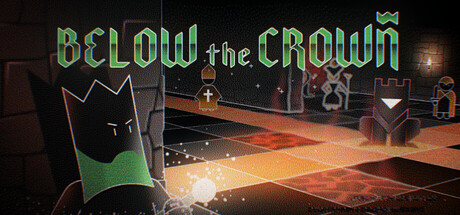
Outstanding visual and audio presentation: The music, art style, and visual effects are highly praised, with many calling them 10/10. The game features a beautiful, cyberpunk, and neo-retro aesthetic that enhances the experience.
Challenging and strategic gameplay: The game is described as wonderfully challenging and deceptively deep, requiring careful thinking and strategic decision-making. Each move makes you think, and the gradual difficulty keeps it engaging.
Compelling roguelite and puzzle elements: The roguelite progression, including unlocking new pieces and skills, adds variety and challenge. The game offers engaging tactical puzzles and a high density of interesting decision-making, reminiscent of Into the Breach.
Accessible for non-experts: The game is easy to get into for players with just a passing knowledge of chess, and even those not good at chess find the gameplay fun. It strikes a good balance between being chess-like enough and approachable.
Common complaints
Repetitive and shallow content: The game is described as repetitive, too shallow, and lacking real progression or variety of unlocks, leading to limited engagement.
Early access rough and unbalanced: The game is clearly in early access, feeling raw and unbalanced, with areas labeled 'under construction' and locked features.
Bosses too hard and repetitive: Bosses are stupidly hard, with the same boss repeated, and the game is really damn hard overall, making it feel unfair.
Poor UI and icons: Special abilities lack unique icons, the interface is difficult to navigate at first, and there are no draw arrows, making the game harder to use.
AI too slow: The AI solver is slow when a rune is added or when toggled to enhanced mode, and it can take a while to process its turn, hurting pace.
Gameplay and performance
Roguelike chess hybrid: The game combines chess with roguelike elements such as dungeon crawling, deck-building, and procedural progression. Players describe it as Slay the Spire meets chess, blending chess-based movement with RPG mechanics.
Chess with altered rules: The game builds on classic chess but adds new mechanics such as spells, special abilities, and unique pieces, making it a chess-derived strategy game with tactical additions.
Puzzle and turn-based combat: Feedback highlights puzzle-like challenges, tactical turn-based combat, and bite-sized chess puzzles. Each level offers a tactical puzzle with a handful of pieces.
Piece upgrades and customization: Players can upgrade, transform, or modify pieces, including unlocking new pieces like hopper, mad queen, and archer types. Customization allows for versatile strategies.
Short session length: The game offers short, quick playthroughs with resumable progress, making it ideal for bite-sized gaming sessions. Players appreciate the fast-paced nature.
Steam Deck works well: Two users confirmed the game runs perfectly on Steam Deck with no issues.
Linux crash fixed: Two users reported crash bugs specific to Linux, but one indicated the issue was fixed.
General smooth performance: Users reported the game runs very well, smoothly, and is polished on various systems.
Linux performance good: One user noted the game runs great on Linux, supporting platform compatibility.
AI slow on enhanced: One user experienced slow AI behavior when using the enhanced setting.
Recommendations
Great for casual chess fans: The game is highly recommended for players who know basic chess but find traditional online chess too competitive or serious, offering a more relaxed experience.
Must-buy for chess lovers: Players who enjoy chess, puzzles, or tactical games are strongly urged to purchase this game, as it delivers engaging chess-like gameplay.
Appeals to strategy fans: Those who love strategy games but find standard chess boring will appreciate this title, and it comes with a cool atmosphere.
Perfect for puzzle solvers: Fans of chess puzzles and mediocre chess players will find this an easy recommendation, as it combines tactical puzzles with roguelike elements.
Appeals to roguelike fans: The game attracts fans of roguelike dungeon crawlers and tactical games like Into the Breach, offering high-density decision-making.
Buying context
Below the Crown starts with friction from UI navigation and slow pacing for chess novices, but becomes addictive and fun once players adapt to the bite-sized roguelike chess format.
Friction: UI navigation is initially difficult; slow pace for players unfamiliar with chess; lack of visible progression or variety in early hours.
Unlock drivers: overcoming initial UI learning curve; embracing the learning curve and roguelike progression; per-run upgrades and varied rooms that keep games brief.
Player profiles
Chess Puzzle Solver: Methodical, turn-based, enjoys analyzing positions and solving puzzles at a relaxed pace. Motivation: Enjoying chess puzzles in a roguelike format without competitive pressure. Stance: buy.
Tactical Roguelike Veteran: Analytical, optimizing moves, learning from failures, and seeking deep strategic replayability. Motivation: Strategic depth and roguelike progression with tactical decision-making. Stance: buy.
Misfits Atmosphere Fan: Immersive, narrative-focused, enjoys unique atmosphere and storytelling elements. Motivation: Atmosphere, meta-narrative, and developer loyalty to Misfits games. Stance: buy.
Platform notes
Steam Deck: The game is generally playable on Steam Deck but requires minor tinkering due to a virtual cursor and occasional stability issues. While some users report a seamless experience, others face crashes, preventing a fully native feel.
Linux and Proton: The game generally works well on Linux/Proton. One user reported a crash bug that was later fixed, and another still experiences crashes, but the majority of reviews (including two positive Steam Deck reports) indicate smooth performance with only a minor virtual cursor annoyance. No extensive tweaks are required.