- Engaging complex gameplay mechanics with depth
- High replayability and strategic multiverse chess
- Strong social and multiplayer appeal
- Overwhelming initial complexity for beginners
- AI performance issues and lag problems
- Unclear win conditions and confusing UI
Emotions
What players like:
Common complaints:
Gameplay feedback:
Performance notes:
Recommendations:
Other player notes:
Similar games
Blend with other games



Review evidence
Why players say this
Review evidence
Why players say this
What players like
Engaging complex gameplay mechanics: Players consistently praise the game's intricate and layered mechanics, particularly its use of time travel, multiverse interactions, and chess-like strategy. The complexity is both challenging and rewarding, appealing to those who enjoy deep strategic gameplay.
High replayability and strategic depth: The game's mechanics encourage creative problem-solving, lateral thinking, and deep strategic planning. Players appreciate the endless possibilities and the satisfaction of mastering its unique systems.
Strong social and multiplayer appeal: The game shines in multiplayer settings, fostering engaging interactions with friends or online opponents. It balances skill levels and encourages collaborative or competitive play.
Humorous and absurd tone: The game's unique blend of complexity and humor, including its absurd scenarios and playful mechanics, adds to its charm and entertainment value. Players enjoy its lighthearted yet intellectually stimulating nature.
Satisfying learning curve: While initially confusing, the game becomes more understandable and rewarding as players progress. The built-in tutorials and puzzles effectively teach core concepts, making the learning process enjoyable.
Common complaints
Overwhelming initial complexity: Players consistently report confusion and frustration due to the game's steep learning curve, complex mechanics, and lack of intuitive understanding. This is a major barrier for casual or new players, leading to psychological stress and disengagement.
AI performance issues: The AI frequently takes excessive time to calculate moves, crashes, or behaves unpredictably (e.g., creating excessive timelines). This disrupts gameplay flow and reduces enjoyment, especially in later stages.
Unclear win/loss conditions: Players often win or lose without understanding why, leading to frustration and a lack of satisfaction. The rules for checkmate and victory are poorly explained or visualized, contributing to accidental outcomes.
Negative psychological impact: The game's complexity and frustration lead to reported psychological effects, including panic attacks, migraines, and a general sense of misery. This deters long-term engagement.
Traditional chess skills undermined: Players feel their standard chess abilities are irrelevant or negatively impacted by the game's mechanics. This creates frustration, especially when pieces behave unexpectedly or moves are computationally limited.
Gameplay and performance
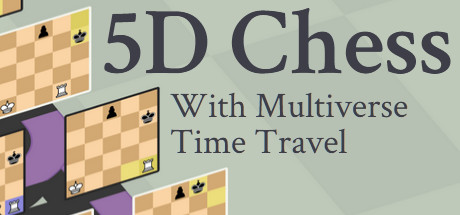
Multiverse time-travel chess mechanics: The game introduces complex time-travel and multiverse mechanics, allowing players to create, navigate, and manipulate multiple timelines. This fundamentally alters traditional chess by adding temporal and parallel dimensions to gameplay.
Multiplayer and AI support: The game supports multiplayer interactions (online or local) and AI opponents, including trainer modes. This caters to both social and solo playstyles, with adjustable difficulty levels.
Multiple boards in play: Players engage with multiple boards simultaneously, often representing different timelines or dimensions. This requires managing parallel strategies and anticipating cross-board interactions.
Puzzle and horror elements: The game includes puzzle-based challenges and optional horror-themed narrative elements, adding variety to the core strategy gameplay. These features appeal to players seeking mental endurance tests or thematic depth.
Performance lag and stalling: Players experienced lag, stalling, or disconnections when the game processed multiple timelines, boards, or alternate dimensions. This indicates optimization problems for complex scenarios.
Frequent game crashes: Multiple players reported the game crashing after extended play sessions or during critical moments, disrupting gameplay. This suggests stability issues in the AI or core engine.
Hardware limitations: The game struggles on lower-end or mid-range hardware, with reports of laptops failing to run it smoothly. Despite low advertised requirements, real-world performance varies significantly.
Online connectivity issues: Players reported disconnections during gameplay, which may stem from server instability or client-side network handling. This disrupts multiplayer experiences.
Slow bot responsiveness: AI bots exhibit delayed reactions in later stages of gameplay, potentially due to computational overhead. This affects the flow and competitiveness of matches.
Recommendations
Ideal for chess and strategy fans: The game is highly recommended for players with chess experience, from beginners to pros, as well as fans of chess variants or mentally challenging games. It appeals to those who enjoy strategic depth and complexity.
Social and competitive appeal: The game is enjoyable when played with friends or in a community setting, enhancing competitiveness and shared learning. It’s also recommended for those who like to challenge others with traditional chess skills.
Confusion as part of the fun: Some players appreciate the game’s intentional confusion, finding joy in the challenge of unraveling its mechanics. This adds to its appeal for those who enjoy being bamboozled.
Highly recommended despite challenges: Many reviewers give the game high ratings (8-10/10) and recommend it for its unique experience, even if it’s confusing or difficult. It’s often described as worth the money for the right audience.
Suggestions for accessibility improvements: Reviewers recommend easing into the game via CPU battles or smaller modes. However, they also suggest UI improvements, such as timeline tracking and save features, to enhance replayability.
Other review notes
Community puzzle creation wanted: Players frequently express a desire for tools or features that allow the community to create and share their own puzzles. This would extend the game's replayability and foster a more engaged player base.
Gen Z cultural references included: The game incorporates humor and references that resonate with Generation Z, such as memes or trends. This adds a layer of relatability for younger audiences but may not appeal universally.
Humorous slime and mobile game nods: Players find humor in unexpected additions like slime mechanics or references to popular mobile games like Subway Surfers. These elements add a lighthearted, meme-worthy twist to the gameplay.
Multiplayer with friends valued: Some players highlight the enjoyment of playing the game periodically with friends. This social aspect enhances the experience but is not a core feature for all players.
Game induces nightmares: A niche but notable concern is that the game's content or atmosphere has caused nightmares for some players. This may indicate overly intense or unsettling elements for sensitive audiences.