- Gameplay feels practically perfect
- Spiritual successor to Hotline Miami
- Strong stylish art direction
- Soundtrack is weak and repetitive
- Story is mediocre and cliched
- Game is very difficult
Emotions
Archetypes
Hardware
What players like:
Common complaints:
Gameplay feedback:
Performance notes:
Recommendations:
Other player notes:
Similar games
Blend with other games







Review evidence
Why players say this
Review evidence
Why players say this
Steam review verdict
A stylish Hotline Miami spiritual successor with practically perfect gameplay, though its weak repetitive soundtrack, cliched story, and brutal difficulty may frustrate.
What players like
Gameplay feels practically perfect: Reviewers repeatedly call the gameplay snappy, addictive, satisfying, and the strongest part of the experience. Very few criticisms target the moment-to-moment play.
Spiritual successor to Hotline Miami: Players widely describe the game as a worthy Hotline Miami successor that still has its own identity. Many recommend it specifically to fans of those two games.
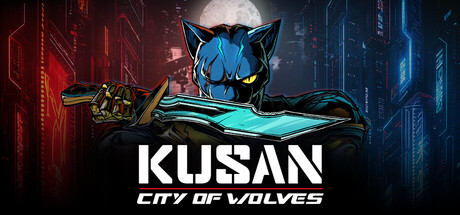
Strong stylish art direction: The art style and visual design are frequently called gorgeous, unique, dynamic, and well executed. Many players highlight the overall aesthetic as a major draw.
Fast fluid satisfying combat: Combat is described as fluid, crisp, punchy, and brutal, with a good balance of exhilaration and trial-and-error. The fast pace and responsiveness are recurring positives.
Soundtrack praised as excellent: The soundtrack is described as a banger, impeccable, perfect for the style, and great in its own right. It strongly complements the fast-paced action.
Common complaints
Soundtrack is weak and repetitive: The music is described as weak, repetitive, and not memorable, with only a couple of standout tracks. Short loops that restart on death and a mismatch with on-screen action further detract from the experience.
Falls short of Hotline Miami: Players consistently compare this game unfavorably to Hotline Miami, citing weaker music, worse visual clarity, less satisfying gameplay, and lower violence. The comparison is the most frequent theme across feedback.
Story is mediocre and cliched: Many players find the narrative mediocre, cliched, predictable, and anticlimactic. The story often feels like an excuse plot rather than a compelling experience.
Game is very difficult: Many players find the game extremely hard, with boss fights requiring near-perfect execution and little room for error. The difficulty spikes can make progression frustrating.
Boss fights are frustrating and unfair: Bosses are often described as tedious, frustrating, and unfair, with messy attack patterns and small damage windows. The final boss in particular is cited as a major pain point.
Gameplay and performance
Hotline Miami-style top-down action: The game is frequently described as a top-down action game inspired by or similar to Hotline Miami. Many reviews highlight its frenetic, fast, and lethal gameplay as a successor or take on the classic formula.
Central parry mechanic: A parry system is a core combat mechanic, allowing players to deflect bullets, block boss attacks, and parry nearly everything except some AOEs. It is skill-based and central to the gameplay.
Boss fights with patterns: The game features boss fights that rely on pattern memorization and parrying. There are three bosses with a significant difficulty spike, and they can use AoE attacks.
Comic-style story delivery: The story is told through comic-book style cutscenes and panels, with a linear progression. This visual style is a notable aspect of the game's presentation.
Upgrade and leveling system: The game includes a character progression system where players can upgrade skills, weapons, and abilities. Upgrades are installed on the character's motherboard and use a point-spending system.
Optimization praise and smooth performance: Multiple clusters note the game runs smoothly with very few stutters, loads quickly, and performs well on weak hardware, including high fps without jankiness. Some users consider it well-optimized.
Frame rate and frame pacing issues: There are reports of unstable frame rate on Steam Deck, vsync not increasing FPS with a locked 30 FPS feel, and small optimization issues causing spike frames with high frametime. Some suggest threading or distributing workload across multiple frames to mitigate spikes.
Optimization complaints on low-end systems: Some users report poor optimization, achieving around 30fps at 960x540, and feel the minimum specs are too high. This contrasts with the smooth performance reported by others.
Bugs affect gameplay and missions: Collision bugs allow enemies to grab and kill the player through walls, and some bugs sometimes tarnish certain missions. These issues can negatively impact the gameplay experience.
Steam Deck performance and appearance: One user reports the game runs and looks great on Steam Deck, while another notes unstable frame rate on the same device. This indicates mixed experiences on Steam Deck.
Recommendations
Ideal for Hotline Miami fans: The overwhelming majority of recommendations target players who enjoyed Hotline Miami and similar fast-paced, hardcore action games. Many describe it as a worthy successor or must-play for fans of that style.
Strong positive overall recommendation: Many reviewers give the game high praise, with numerous 10/10 scores and emphatic recommendations. The sentiment is overwhelmingly positive across multiple clusters.
Great value at low price: Reviewers frequently highlight the game as well worth its price, especially at its generous low price point. It is described as a little gem that is worth buying even at full price.
Appeals to hardcore action fans: The game is recommended for players who enjoy tough, stylish, and fast-paced hardcore action or shooters. It is seen as an easy recommendation for fans of that genre.
Not for Hotline Miami vibe seekers: Some reviewers warn that the game does not capture the Hotline Miami feel and is inferior to it for those specifically seeking that experience. They do not recommend it for that purpose.
Buying context
Community fair range: $9.99 - $14.99.
Game completion: 5.0h.
Story completion: 5.0h.
Session length: 4.2h.
Players report an addictive, brutal combat loop whose satisfaction is repeatedly tied to mastering mechanics and chaining kills, with early friction from a confusing progression pace and no tutorial. A minority were hooked almost immediately, but the dominant pattern is enjoyment that clicks once the combat system is understood.
Friction: Progression pace is confusing at moments, especially early on; No tutorial; players are told to experiment and die to learn; Repetitive soundtrack that grows tiring on repeated level attempts; Long one-shot corridors and weak narrative pacing drag on some sections.
Unlock drivers: Understanding how the combat mechanics and kill-chaining work; Getting good enough at combat for it to feel fluid; The upgrade system, which a reviewer says is done nicely in the first hour; The scoring system, which pushes players to replay levels and improve.
Player profiles
Hotline Miami Veteran / SS-Rank Completionist: Aggressive top-down runs built on door-pan openers, weapon swaps, memorized enemy patterns, and score optimization for S and SS ranks. Motivation: Mastering a Hotline Miami-style combat loop and chasing perfect rankings, achievements, and hard-mode clears. Stance: buy.
Combat-First Action Tinkerer: Reactive room-clearing with multiple weapons, planned loadouts, backpack management, and optional auto-aim off for manual control. Motivation: Pure, addictive action combat and experimenting with weapons, upgrades, and build configurations. Stance: buy.
Stylized Narrative & Soundtrack Enjoyer: Takes time with story scenes, replays for atmosphere, and plays with the soundtrack on as a core part of the experience. Motivation: Immersion in the game's neon cyberpunk atmosphere, comic-panel storytelling, characters, and electronic soundtrack. Stance: buy.
Platform notes
The Windows <8GB VRAM cohort generally reports adequate, playable performance, with only minor frame-time spikes and slight sluggishness rather than major instability.
Windows <8GB VRAM: positive. Players on Windows with under 8GB VRAM report the game runs adequately, though some note occasional frame-time spikes and mild sluggishness.
Steam Deck: The Steam Deck experience is mixed. Users report notable performance friction, including low frame rates at low resolution and unstable framerate, as well as small text that makes some narrative sections difficult to read. However, other users describe the game as running and looking great on Deck and being enjoyable to play. There is no evidence of anti-cheat failures, external launcher barriers, frequent crashes, or launch failures.
Other review notes
Extensive Hotline Miami comparisons: The dominant theme across feedback is comparison to Hotline Miami, often as inspiration, successor, or homage. Some see it as superior, while others find it inferior or derivative. This comparison shapes expectations and reception.
Short game length: Many reviewers note the game is short, typically beatable in 3-5 hours. Some cite around 2-3 evenings or under four hours. This brevity is a consistent observation.
Inspired by Katana Zero: The game is compared to Katana Zero, particularly for boss fights reaching similar quality and appeal to fans. Some describe it as a fusion of Hotline Miami and Katana Zero.
Furry art style and theme: The game features furry characters and a furry art style, often described as a furry version of Hotline Miami or with a dark furry sci-fi vibe. This distinct aesthetic is frequently mentioned.
Sequel setup and anticipation: The ending hints at a sequel, and reviewers express looking forward to a second part. Post-credits scenes or cliffhangers suggest more to come, generating anticipation.