- Unique factions enhance replayability
- Polished successor to predecessor
- Combat engaging and balanced
- Steep learning curve
- Poor UI and controls
- Alien invasion difficulty
Emotions
Archetypes
What players like:
Common complaints:
Gameplay feedback:
Performance notes:
Recommendations:
Other player notes:
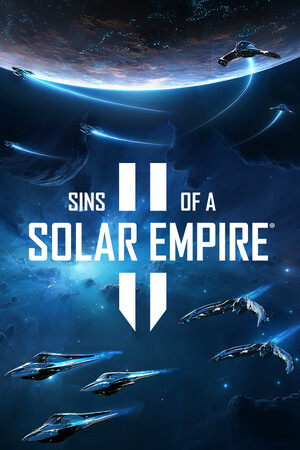
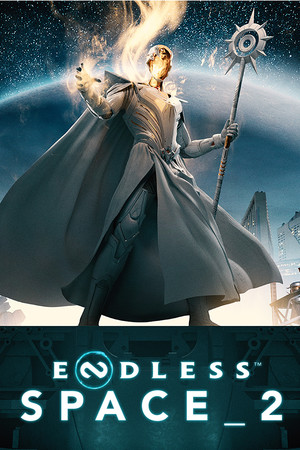
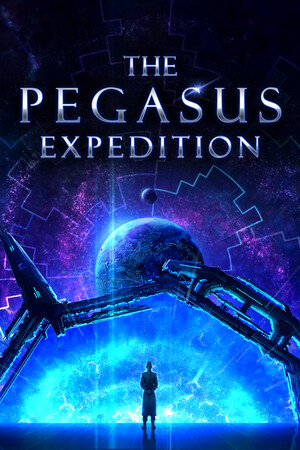
Similar games
Blend with other games






Review evidence
Why players say this
Review evidence
Why players say this
Steam review verdict
Unique factions and polished combat make this a worthy successor, though a steep learning curve, clunky UI, and brutal alien invasion difficulty will test your patience.
What players like
Unique factions enhance replayability: Each faction offers distinct playstyles, units, and strategies, contributing to high replay value.
Polished successor to predecessor: The game refines and improves upon its predecessor, fixing issues and maximizing potential.
Combat is engaging and balanced: Combat features a wide array of units and commanders, with balance and simplicity praised by players.
Deep faction-specific tech trees: Each faction has unique tech trees, units, and buildings, providing strategic depth and variety.
Expanded content beyond predecessor: The game offers more global events and gameplay variety than its predecessor, enriching the experience.
Common complaints
Steep learning curve: The game is considered extremely difficult, especially for new players, with a high barrier to entry, poor tutorials, and overwhelming early-game challenges. Many systems are unclear and require trial and error, leading to frustration.
Poor UI and controls: The UI is frequently criticized as terrible, cumbersome, and requiring excessive clicks, with regressions from the first game. Navigation, fleet info, and building commands are especially problematic, leading to misclicks and frustration.
Alien invasion difficulty: The alien invasion is overwhelmingly difficult and appears too early, ruining the fun and making the game unplayable for many. The respawning nature of alien fleets and the punishing black dragon fleet make the campaign a tedious and frustrating experience.
Missing battle animations: Players consistently report the absence of battle animations, a staple of the genre, and compare it unfavorably to previous games and Fire Emblem-style cinematics. This removal reduces the game's quality and fun.
Unfair AI advantages: The AI is perceived as cheating with endless resources, respawning fleets, and higher accuracy, creating an unfair advantage. This frustrates players as they cannot match AI strength or recover from losses.
Gameplay and performance
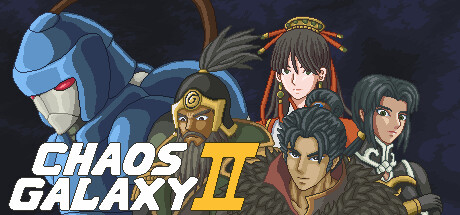
Multiple unique factions: The game offers a wide variety of factions, each with distinct units, abilities, playstyles, and strategies. This includes eight specific faction types, each with unique traits and special planetary buildings, providing substantial replayability.
Turn-based strategy genre: Players consistently describe the game as a turn-based strategy title, often with tactical battles on a map. Several mention it as a turn-based total war game, and some add lite-RPG elements or a focus on territory conquest.
Auto-battle combat option: The game includes an auto-battle mechanic where units fight in close combat, alongside a player-commanded mode. This allows players to choose between automatically resolving tactical battles or manually controlling the action.
Diplomacy and empire systems: The gameplay includes building, research, diplomacy, and turn-based battles, offering a full 4X experience. This includes faction systems and diplomacy mechanics that add strategic depth beyond combat.
Alien invasion storyline: The game features an alien invasion as a major challenge mode and core part of the storyline. Players frequently mention the presence of alien forces as a significant gameplay element.
Performance issues after long sessions: Multiple players report slowdowns and occasional crashes during extended gameplay sessions, suggesting memory leaks or stability problems over time.
Freezes after ending turn: The game freezes after a player ends their turn, interrupting the flow of gameplay and potentially forcing a restart.
Crashes with custom commanders: Having too many custom fleet commanders triggers crashes, possibly due to data handling or UI overload.
Slow battle animations: Battle animations are slow and cannot be sped up, which frustrates players who want faster pacing.
Tutorial locks after financial confirm: Confirming financial expenditure in the tutorial can lock the interface, preventing further progress in learning the game.
Recommendations
Highly recommended for strategy fans: Multiple reviewers strongly recommend the game to strategy enthusiasts, especially those who enjoy challenging, dense, and replayable experiences. Praise highlights its appeal to fans of classic and grand strategy genres.
Recommended for hardcore strategy gamers: The game is specifically recommended for hardcore SLG and classic large-scale strategy fans who are willing to invest time in difficult gameplay. Reviewers note it suits players seeking a challenge.
Not recommended by some: A few reviewers do not recommend the game, mentioning issues like heavy customization or comparing unfavorably to the first game. This signals mixed feelings.
Appeals to series fans: Reviewers recommend it to fans of Romance of the Three Kingdoms, Nobunaga's Ambition, Advance Wars, and the first Chaos Galaxy. It also appeals to fans of Gundam, SRW, and turn-based tactical games.
Conditional recommendation: Some reviewers recommend the game in principle or with caveats, such as waiting for a sale or playing the first game first. This indicates a cautious but positive stance.
Buying context
Community fair range: $14.99 - $19.99.
The game delivers engaging early strategic gameplay with satisfying progression, but late-game management becomes tedious and boring, leading to a drop in fun.
Friction: abundance of systems intimidating during the first few hours; learning curve steeper and mechanics could be explained more clearly for newcomers; unclear consequences in tutorial leading to serious losses; UI requires many clicks for basic actions.
Unlock drivers: well done Tutorial that shows you everything you need to know.
Player profiles
Retro Strategy Veteran: Methodically explores multiple factions, aims for 100% completion, appreciates interlocking systems. Motivation: Craving authentic old-school strategic depth, dynamic universe, and faction variety. Stance: buy.
Persistent Newcomer: Cautious, follows tutorials, adjusts settings for easier learning, uses trial and error. Motivation: Desire to master a complex strategy game despite a difficult onboarding. Stance: buy.
Perfectionist Critic: Analyzes systems, notices imperfections, compares to standards, likely abandons or advises caution. Motivation: Seeking a polished, well-executed strategy experience without significant flaws. Stance: no buy.
Other review notes
Single developer indie title: The game is repeatedly highlighted as a solo project by developer Han Zhiyu, with praise for the scope achieved. It is described as an indie production distinct from bigger studios' works.
Compares to classic strategy games: Reviewers draw frequent parallels to titles like Romance of the Three Kingdoms, Total War, and Civilization for the gameplay systems and strategic depth. This establishes the game's genre heritage and expectations.
Sequel to Chaos Galaxy: The game is identified as a not-quite-sequel to the original Chaos Galaxy, retaining core gameplay while adding content. Some reviewers note it has more content but lost some charm compared to the predecessor.
Influenced by 40K and space operas: The universe is compared to Warhammer 40K and various space opera anime, with a setting involving a galaxy-spanning empire based on medieval China. The developer's influences include 40K, anime, and historical strategy.
Alien invasion mechanics adjustable: The massive alien invasion event can be toggled off by players, and suggestions include randomizing its location or timing. The developer has already rebalanced them based on feedback, making them optional.