- Dedicated developer, good value, strong potential
- Incomplete, monotonous content, poor sect management
- Unsatisfying combat, ineffective disciple system
- Difficult resource acquisition, confusing martial arts
- Core sect management and disciple cultivation challenges
- Mixed recommendations, needs significant improvements

Emotions
What players like:
Common complaints:
Gameplay feedback:
Performance notes:
Recommendations:
Other player notes:
Similar games
Blend with other games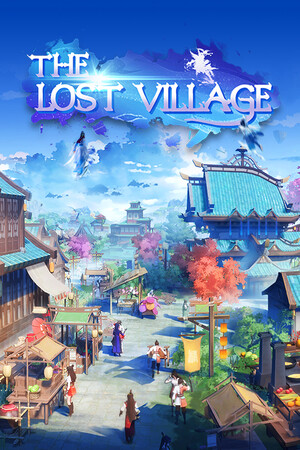
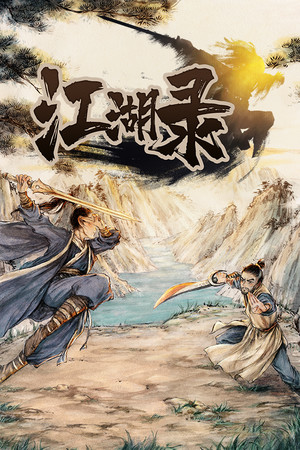

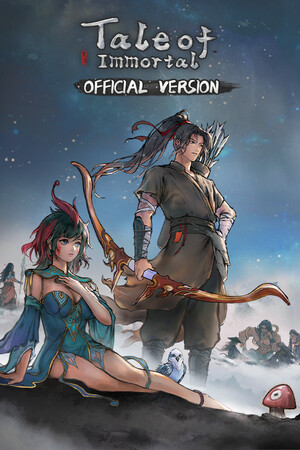
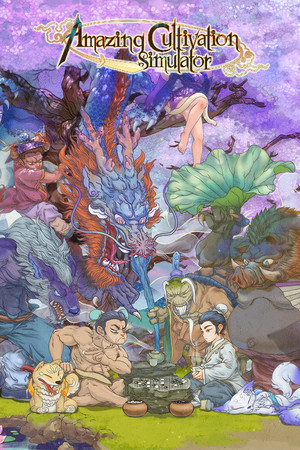



Review evidence
Why players say this
Review evidence
Why players say this
What players like
Dedicated and Responsive Developer: Players highly praise the developer's exceptional dedication, frequent updates, and active communication. The developer consistently listens to community feedback, fixes bugs, and adds new features, demonstrating a strong commitment to improving the game.
Good Value and Replayability: The game is considered a good purchase for its price, offering decent gameplay and content. Many players find it fun and highly replayable, suggesting it provides significant entertainment value.
Strong Potential for Growth: Players see great potential in the game, believing it will become even more enjoyable with further improvements. The ambition shown in its content, despite being a solo project, is frequently noted.
Acceptable Art Style and Graphics: While not top-tier, the hand-drawn art style is generally well-received and considered decent. Players are understanding of the graphics quality, especially given it's a solo developer's project.
Support for Indie Wuxia Games: A segment of the player base expresses strong support for domestic and indie wuxia games, viewing their purchase as a way to encourage the genre and solo developers.
Common complaints
Incomplete and Monotonous Content: Players widely report that the game feels unfinished, like a demo, with limited and repetitive content. This leads to low replayability and a general sense of emptiness, making the gameplay experience unsatisfactory and boring after a short period.
Poor Sect Management Mechanics: The core sect management gameplay is criticized for being shallow, repetitive, and counter-intuitive. Players feel forced into mundane tasks like fighting bandits for money instead of managing the sect, and key features like disciple recruitment, martial arts priority, and resource collection are cumbersome or poorly implemented.
Unsatisfying Combat System: The combat system is described as rigid, unintuitive, and lacking depth, with high randomness and limited player control. This leads to frustrating experiences, such as powerful characters being easily defeated and important disciples dying without a retreat option, significantly detracting from the overall game experience.
Ineffective Disciple System: Disciples are often ineffective in combat, cannot equip gear without specific skills, and their growth is too slow to keep up with external threats. The system for promotion, cultivation, and task rewards is weak, and their attributes are not visible during recruitment, reducing motivation to invest in them.
Difficult Resource & Item Acquisition: Players struggle with obtaining necessary materials and resources, which are often scarce and lack clear indications of origin. This makes crafting difficult and progression slow, as even basic equipment is hard to acquire, leading to a frustrating grind.
Gameplay and performance
Disciple Cultivation Challenges: Players find it difficult to cultivate disciples effectively, noting that despite efforts, disciples often fail missions, die quickly in combat, and their cultivation feels largely useless. This is exacerbated by the high cost and difficulty of recruiting talented disciples.
Core Sect Management Gameplay: The game is primarily a sect management simulation, focusing on recruiting and cultivating disciples, managing resources, and developing martial arts. It emphasizes long-term play with sect continuity across generations.
Sect Leader's Overburdened Role: The sect leader is crucial for the sect's survival, acting as a 'tool person' who must constantly go out to fight bandits and complete quests to earn money, food, and prestige. This often leaves disciples underdeveloped as the leader's actions don't always benefit them.
Martial Arts Creation & Limitations: Players can create and upgrade martial arts, primarily focusing on sword and blade techniques. However, the process for creating martial arts is unclear, and the game's combat system is perceived as basic, resembling a web game.
Prestige Impacts Difficulty: Sect prestige significantly influences game difficulty, directly increasing enemy strength and monster power. While higher prestige can attract better recruits and materials, it also makes combat much harder, sometimes forcing players to reduce prestige to cope.
Limited character customization: Players desire more options for character appearance, including hairstyles, facial features, and body types, to enhance immersion and personalization. The current selection feels restrictive and doesn't allow for unique player expression.
Repetitive quest design: Many players found that quests often follow similar patterns, involving fetch quests or simple kill objectives, leading to a sense of monotony. More varied objectives and narrative depth are needed to keep the gameplay engaging.
Unbalanced combat difficulty: The combat difficulty spikes inconsistently, with some encounters being too easy and others feeling unfairly challenging, even for experienced players. This inconsistency disrupts the flow and enjoyment of combat.
Lack of meaningful player choices: Players feel that their decisions within the game, particularly in dialogue and questlines, have little to no impact on the story or world. This diminishes the sense of agency and replayability.
Recommendations
Mixed Recommendations & Support: Many players do not recommend the game in its current state, citing issues and suggesting a wait for updates. However, a significant portion still gives positive reviews or expresses support to encourage the developers, hoping for future improvements and content additions.
New Features & Content: Players are eager for new features to enrich the game world. This includes adding an auction system, treasure hunts, random events, immortal pets/mounts, titles/achievements, an arena, and more diverse enemies and weapons.
Reference Benchmark Games: Several players suggest the developers look to successful games like '天下霸图' and '太吾绘卷' as templates for improving martial arts systems and overall game design, aiming for a similar industry benchmark.
Combat & Core Gameplay Changes: There are strong suggestions for fundamental changes to the combat system, including switching to turn-based RPG, real-time combat, or auto-chess mechanics. Players also want the stamina system replaced and the core focus of the game (adventure vs. cultivation) clarified.
Inventory & Disciple Management: Players suggest various quality-of-life improvements for inventory and disciple management. This includes optimizing inventory space, categorizing cultivation methods, improving disciple list functionality, and adding systems like an escort agency or farmland.
Other review notes
Need for Polish and Clarity: Initial feedback suggests that while the game has playability and a good foundation, it needs more attention to copywriting, UI, and help documentation to improve the player experience and clarity.
Early Access State: The game is recognized as being in early access, which implies ongoing development and potential for significant changes. This context is important for understanding player expectations and feedback.
Character Diversity Needed: Players suggest that character portraits could benefit from more diversity, indicating a desire for a wider range of visual options for in-game characters.
Suggestions for Progression: Players have offered specific suggestions to improve game progression, such as adding overpowered skills for easier entry and unlocking more building positions over time or in multiple playthroughs.
Conquering Sects is Fun: A significant number of players find enjoyment in the strategic element of conquering sects, indicating this is a core engaging mechanic.