- Exceptional core gameplay loop with high engagement
- High replayability and strong progression system
- Strong co-op focus enhances teamwork experience
- Unfinished and unoptimized at launch
- Greedy monetization and aggressive DLC practices
- Unstable servers and frequent connectivity issues
Emotions
What players like:
Common complaints:
Gameplay feedback:
Performance notes:
Recommendations:
Other player notes:
Similar games
Blend with other games





Review evidence
Why players say this
Review evidence
Why players say this
What players like
Exceptional core gameplay loop: Players consistently praise the game's addictive, fast-paced, and satisfying combat and gameplay mechanics. The blend of melee and ranged combat, co-op focus, and replayability is highlighted as a standout feature.
High replayability and progression: The game offers extensive replayability through varied enemy types, class builds, difficulty levels, and endgame content. The progression system is well-designed and rewarding.
Strong co-op and teamwork focus: The game is designed around cooperative play, with mechanics that reward teamwork, synergy, and coordination, especially on higher difficulties.
Scalable difficulty for all players: The game offers a range of difficulty levels, from beginner-friendly to highly challenging, ensuring a rewarding experience for players of all skill levels.
Immersive Warhammer 40K atmosphere: The game excels in delivering a rich Warhammer 40,000 experience through its atmosphere, soundtrack, visuals, and adherence to the universe's grimdark aesthetic.
Common complaints
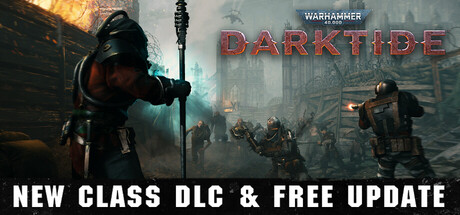
Unfinished and unoptimized launch: The game was released in a broken, unoptimized state with frequent crashes, poor performance, and missing content. Players reported it felt like a glorified demo, with developers prioritizing environments over meaningful gameplay.
Greedy monetization and DLC: Developers prioritize paid DLC (e.g., overpriced classes) and microtransactions over core improvements. Cosmetics are locked behind paywalls, and promised free content is often delayed or paywalled.
Ignored player feedback: Developers frequently ignore community pleas for fixes, QoL improvements, and balance changes. Updates prioritize monetization over addressing long-standing issues like bugs or progression.
Unstable servers and connectivity: Frequent server crashes, disconnections, and backend errors disrupt gameplay, often resulting in lost progress. Server stability has been poor since launch, with no significant improvements.
Limited customization options: Weapon and character customization is restrictive, with generic cosmetics, lackluster armor designs, and no fine-tuning for builds. Developers dismiss community requests for deeper customization.
Gameplay and performance
Class-based gameplay system: The game features a robust class-based system with 4-6 unique classes (e.g., Veteran, Zealot, Psyker, Ogryn), each offering distinct roles, playstyles, and customization via talent trees. Players appreciate the variety and balance, though some DLC classes are paywalled.
Melee and ranged combat hybrid: Combat blends visceral melee (primary focus) with firearms for special enemies, offering deep combo systems and satisfying feedback. The mix of melee, ranged, and ability-based options caters to diverse playstyles.
Weapon and gear customization: Players can customize weapons, trinkets, and loadouts, with systems for crafting, leveling, and deterministic upgrades. Build diversity is emphasized, though some note limited official mod support or repetitive reskins.
Scaling difficulty and modifiers: Difficulty levels (e.g., Heresy, Damnation, Havoc) scale with modifiers, offering replayability and endgame challenges. Havoc mode, in particular, introduces weekly scaling difficulty, though some criticize its implementation.
Vermintide/Left 4 Dead inspiration: The gameplay loop mirrors *Vermintide* and *Left 4 Dead*, featuring horde-based missions, objective-driven progression, and chaotic 4-player co-op. Players note its success as a spiritual successor but highlight balance and map design issues.
AMD GPU compatibility issues: AMD GPU users face specific optimization problems, driver incompatibilities, and FPS drops, with some reporting only certain driver versions work reliably.
Post-update performance degradation: Patches and updates frequently introduce new crashes, FPS drops, or stability issues, with some improvements noted over time but persistent problems remaining.
Memory leaks and high hardware demands: Memory leaks cause crashes and system instability, while the game’s high hardware requirements (e.g., 16GB RAM, beefy GPUs) limit accessibility for mid-range or older PCs.
Loading and traversal stutters: Slow loading times, stutters during traversal, and long waits for servers/players to join disrupt immersion. First-load stutters and cosmetic screen delays are also common.
General bugs and sound issues: Persistent bugs, including mob glitches, texture problems, and sound inconsistencies (e.g., enemy volume), detract from the experience despite updates.
Recommendations
Buy on sale only: The majority of players recommend purchasing the game only at a discounted price, typically under $10, due to its current state and value proposition. Full price or DLC purchases are widely discouraged.
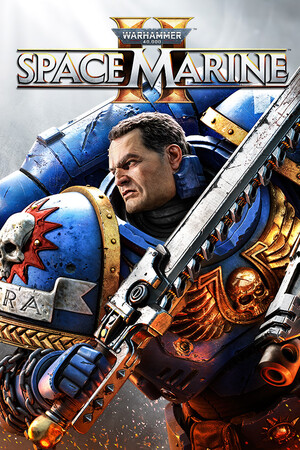
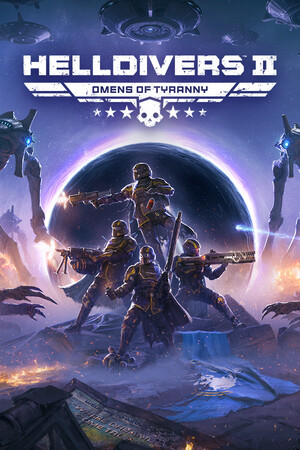
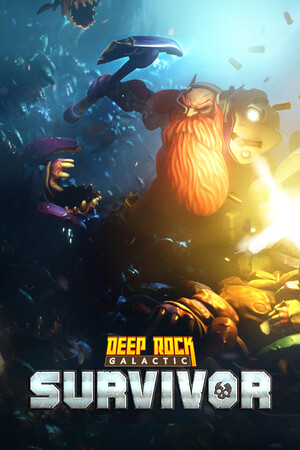
Recommended for genre fans: The game is highly recommended for fans of horde shooters, Warhammer 40k, Vermintide, Left 4 Dead, and cooperative PvE experiences. It appeals to those who enjoy chaotic, team-based gameplay.
Not for hardcore players: Hardcore players may find the endgame unrewarding or frustrating, while casual players can enjoy the game for its fun, comfort, and replayability. The game suits a broad but not all-encompassing audience.
Avoid until fixed: Some players strongly advise against purchasing the game in its current state due to instability, poor design, monetization issues, or lack of content. Improvements are needed before reconsideration.
Best played with friends: Playing with friends or coordinated teams significantly enhances the experience, as random players and AI can be unreliable or frustrating. Solo play is discouraged due to the game's teamplay focus.
Other review notes
DLC and cosmetic pricing criticism: Players express frustration with the pricing model for DLCs and the design of the microtransaction store, calling it exploitative or poorly balanced. This affects player trust in the developer's monetization strategy.
Developer neglect post-launch: Concerns about reduced developer support, skeleton crews, and lack of patches or content updates. Players feel the game is being abandoned, harming its long-term viability.
Community toxicity and elitism: High levels of toxicity and elitism are reported, particularly in competitive or high-level play. This creates a hostile environment for new or casual players, impacting long-term retention.
Demand for solo/private modes: Players request solo, private party, or bot-only options to avoid toxicity or play at their own pace. A private chat feature is also suggested to improve communication flexibility.
Lore and world-building praise: Players appreciate the game's deep integration of the Warhammer 40k lore, including hive cities and Imperial Guard portrayal, enhancing immersion and setting it apart from competitors.