- High-quality VR storytelling and atmosphere
- Exceptional voice acting enhances immersion
- Improved content and fulfilling duration
- Lack of interactivity limits engagement
- Overpriced for its limited appeal
- Technical and control issues present
Emotions
What players like:
Common complaints:
Gameplay feedback:
Performance notes:
Recommendations:
Other player notes:
Similar games
Blend with other games




Review evidence
Why players say this
Review evidence
Why players say this
What players like
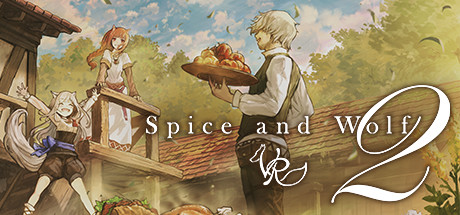
High-quality VR storytelling: The game excels in immersive narrative delivery, leveraging VR to deepen emotional connections with characters. Players praise its atmospheric design, expressive animations, and stable performance, making it a standout VR experience.
Improved content and duration: This installment offers more gameplay length, richer scenes, and expanded storylines compared to its predecessor. Fans highlight the added content (e.g., anime recaps, commentary) and refined production quality as significant upgrades.
Exceptional voice acting: The original Japanese voice cast’s return and high-quality performances are frequently praised. The voice acting, combined with expressive animations, elevates character immersion and emotional delivery.
Cozy and nostalgic atmosphere: The game’s rustic environments, soft lighting, and heartwarming family dynamics create a cozy, inviting experience. Fans of the series appreciate its nostalgic ties to the original light novel and anime.
Accessible VR and non-VR modes: The game supports both VR and non-VR playstyles, broadening its accessibility. Players note intuitive controls and stable performance across supported hardware, including Windows Mixed Reality.
Common complaints
Lack of interactivity: The game is criticized for its minimal interactivity, with players unable to engage meaningfully with the world or characters. Many describe it as a passive 'watching sim' or VR anime rather than a traditional game.
Disappointing character modeling: Character models are described as low-quality, with issues like crude animal modeling, emotionless faces, and clipping problems. Some characters lack detail or voice acting, further detracting from immersion.
Overpriced for content: Players frequently mention that the game’s price is too high for the amount of content provided, often describing it as a 'cash grab.' The short duration and lack of interactivity make the cost feel unjustified.
Limited appeal beyond fans: The game is recommended primarily for fans of the anime or previous installments, as it lacks broad appeal due to its short length, limited interactivity, and niche content. Newcomers may feel alienated by the lack of context.
Technical and control issues: Players report problems with controls, including limited menu navigation, lack of camera rotation, and compatibility issues with specific VR controllers (e.g., WMR, Quest 2/3). Subtitle syncing and positioning bugs are also noted.
Gameplay and performance
VR Anime Experience Focus: The game is primarily an interactive VR anime or OVA, designed for narrative immersion rather than traditional gameplay. It includes modes like virtual theater environments and anime recap, targeting fans of the series with a seated, scene-appreciation approach.
Bonus and Extra Content: Includes additional content such as side stories, anime recaps with character commentary, and nostalgic commentary segments. These extras cater to fans and extend the experience beyond the main narrative.
Character-Driven Storytelling: The narrative focuses on character interactions, familial moments, and slice-of-life scenarios (e.g., Lawrence's family, Holo and Myuri). The story is dialogue-driven, with minimal player movement or agency.
Fan-Service and Themes: The game incorporates fan-service elements like life simulation, fantasy, and isekai themes, alongside medieval commerce and psychological/economic motifs. It is designed to appeal to existing fans of the series.
Custom Controls and Navigation: Steam VR offers custom control layouts, with menu navigation via joystick and trigger buttons. Cursor movement mechanics are also supported, though interactivity remains limited.
Limited controller and headset compatibility: The game lacks broad controller support (e.g., only HTC Vive by default) and faces compatibility issues with Quest 2/3 controllers and Virtual Desktop. Windows Mixed Reality works but may not cover all user needs.
Stable VR performance on supported hardware: Players report smooth performance and low motion sickness risk due to stable camera mechanics, particularly on supported devices like Windows Mixed Reality and HTC Vive. However, Quest 3 users experience notable issues.
Visual distortion in non-VR mode: Edge stretching artifacts appear in non-VR gameplay, indicating unresolved rendering issues for traditional display setups.
Recommendations
Ideal for franchise fans: The game is highly recommended for fans of the *Spice and Wolf* series or anime enthusiasts, as it offers a faithful representation of the source material and emotional storytelling. Newcomers or those expecting interactivity may find it less appealing.
Purchase only during sales: Many players recommend buying the game only at a discounted price, citing its limited replayability and content volume as reasons for not justifying the full price. This sentiment is particularly strong among those who value gameplay mechanics over narrative immersion.
Good value for indie work: Despite its flaws, the game is considered a good value, especially given its origins as a Japanese indie project. Some players even suggest it justifies purchasing a VR headset for the experience.
Spoiler risk for newcomers: Players warn that the game may contain spoilers for the *Spice and Wolf* series, particularly regarding the daughter character. It can be enjoyed without playing the first game, but familiarity with the franchise is recommended.
Support original creators: Some players recommend purchasing the game to support the original creators of the *Spice and Wolf* franchise, highlighting its role in continuing the series' legacy.
Other review notes
Story assumes novel knowledge: The game's narrative is set after events in novel volumes 18-19, which may leave non-readers confused about key details. Players unfamiliar with the source material report difficulty following character arcs and lore.
Myuri's animated debut praised: First-time animations of the character Myuri are highlighted as a standout feature, with players noting the attention to detail in bringing her to life. This cluster reflects appreciation for visual execution.
Studio output concerns raised: Players express frustration over the studio's slow release schedule (one game per year), questioning whether the quality justifies the wait. This sentiment appears frequently in reviews discussing long-term engagement.
Price justified for niche fans: While the game's cost is perceived as high, dedicated fans of the series argue the experience is worth the investment. This cluster highlights a divide between general and franchise-specific audiences.
Optimism for future content: Many players voice excitement about the game's potential, anticipating expansions or sequels. This cluster reflects a forward-looking, positive outlook despite current limitations.