- Unexpectedly fun gameplay
- Improves upon predecessor
- Highly addictive experience
- Gameplay becomes repetitive over time
- Tutorial and guidance insufficient
- Difficulty curve is steep

Emotions
Archetypes
Hardware
What players like:
Common complaints:
Gameplay feedback:
Performance notes:
Recommendations:
Other player notes:
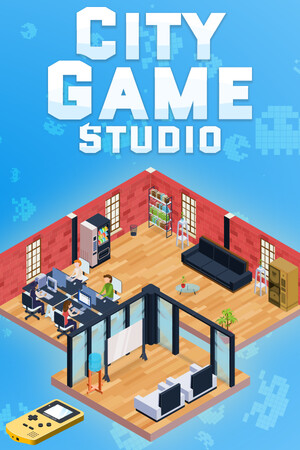
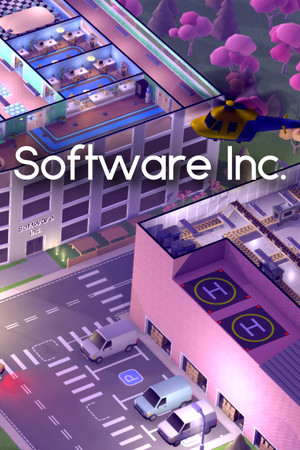
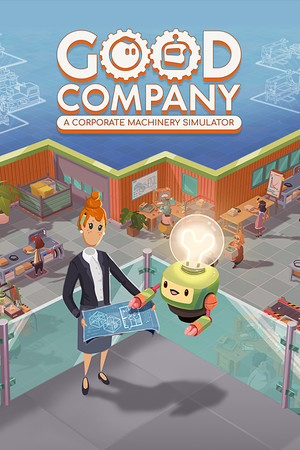
Similar games
Blend with other games




Review evidence
Why players say this
Review evidence
Why players say this
Steam review verdict
Unexpectedly fun and highly addictive, this sequel improves on its predecessor, though repetitive gameplay, a steep difficulty curve, and insufficient tutorials may frustrate newcomers.
What players like
Unexpectedly fun gameplay: Many reviewers found the game surprisingly enjoyable, interesting, and engaging. The core gameplay loop is described as delightful and entertaining.
Improves upon predecessor: The game is seen as a significant step up from the first game, with improved mechanics, richer content, and a major graphical upgrade. It adds many features the previous game lacked.
Highly addictive experience: Players report losing track of time and playing for many hours non-stop. The game is described as captivating and hard to put down.
Great multiplayer mode: The multiplayer feature is praised for allowing players to compete or cooperate with friends. It is considered a cool feature that doubles the fun.
Many options and customization: The game offers a large amount of freedom, with many options for customization and different content. Players appreciate the extensive possibilities and speed options.
Common complaints
Gameplay becomes repetitive over time: Multiple clusters highlight that the gameplay loop becomes repetitive and boring, especially in the late game. This is the most frequently mentioned issue, with specific complaints about the end-game loop and monotony.
Tutorial and guidance insufficient: Players consistently report that the tutorial is too brief, missing, or fails to explain key mechanics, leaving new players confused. This is a common onboarding problem that affects early experience.
Difficulty curve is steep: The game is perceived as very hard, with a steep difficulty spike on hard mode and a high entry barrier for newcomers. This can frustrate players and limit the audience.
Localization quality is poor: Several clusters mention incomplete or poor translations, particularly in Chinese, Japanese, and French. This hinders accessibility for non-English speakers and reduces overall polish.
Late game lacks engagement: The late game is described as laggy, tedious, and lacking challenge or goals, leading to boredom. This suggests a drop in quality and motivation as players progress.
Gameplay and performance
Management tycoon simulation game: The game is a management and tycoon simulation where players run a game development company, involving complex management mechanics, staff management, and business operations. It is often compared to Game Dev Tycoon but with more depth.
Acquire and manage subsidiaries: Players can buy out other companies, including developers and publishers, and manage them as subsidiaries. This allows acquiring IPs and licenses, and even canceling competitors' products.
Develop and manufacture consoles: The game includes console manufacturing, allowing players to create and sell their own consoles. This adds a hardware development aspect to the business simulation.
Building and room management: The game includes building mechanics with specific constraints, requiring manual construction of structures. Players can also design and decorate rooms.
Slider-based game design: Game design is done by adjusting sliders for genres, features, and other settings. This allows for detailed customization of each game.
Low hardware requirements: Multiple players report the game runs on low-end PCs and even on a microwave, indicating very low system requirements.
Performance issues in late game: Players experience lag and FPS drops when the game progresses, especially with over 150 employees, and save/load times become long.
Runs smoothly on most systems: Players note the game runs smoothly on non-high-end PCs and on Steam Deck, with no performance problems encountered.
Occasional graphical glitches: Some players report garbled text, abnormal screen colors, and crashes, though these are infrequent.
Computer restarts on launch: One player reports that their computer restarts instantly when running the game, indicating a serious compatibility issue.
Recommendations
Great value on sale: Reviewers highlight the game as worth the price, especially when on sale, and recommend waiting for a discount if the full price is high. It is seen as a steal during sales.
Recommended for simulation and management fans: The game appeals to fans of simulation, management, and business games, with some noting it is slightly shallow but still enjoyable. It is recommended for both casual and hardcore sim players.
Highly recommended overall: General recommendations are strong, with many calling it a must-buy and expressing no regrets. The game is praised for its depth and completeness.
Realism Mod strongly recommended: Several reviewers advise installing the Realism Mod for a more realistic and engaging experience, especially for players familiar with the game's mechanics. It is seen as essential for full enjoyment.
Buying context
Community fair range: $10.00 - $20.00.
Game completion: 319.5h.
Session length: 10.0h.
Mad Games Tycoon 2 has a rough start due to a lacking tutorial and tedious setup, but once the mechanics click, it becomes highly addictive and satisfying. The fun arrives after overcoming the initial learning curve.
Friction: Missing or inadequate tutorial; Tedious initial setup (building offices, buying furniture, setting up toilets); Steep learning curve; Unclear what to do or what you're doing wrong.
Unlock drivers: Understanding the core mechanics; Getting the hang of the gameplay loop; Figuring out what to do; Learning the game's systems.
Player profiles
Genre Enthusiast / Tycoon Veteran: They dive into complex systems, manage companies, create consoles, and optimize strategies, often on higher difficulties. Motivation: To experience the most comprehensive and realistic game development simulation with deep mechanics and historical accuracy. Stance: buy.
Casual Relaxed Player: They play on easy difficulty, customize settings, take their time, and enjoy the creative aspects without min-maxing. Motivation: To relax and unwind with a low-pressure, sandbox-like management game that doesn't demand intense focus. Stance: buy.
Multiplayer / Social Player: They engage in multiplayer modes, often with friends, and may prioritize social interaction over deep optimization. Motivation: To play with friends, compete or cooperate, and share the experience of running game companies. Stance: buy.
Platform notes
The game performs well on this hardware cohort, with both reviewers recommending it and only minor technical issues reported.
Windows 12-15GB VRAM: positive. Mostly positive reports; one reviewer noted minor issues like incomplete localization, occasional garbled text, two color glitches, and a single crash over 50 hours.
Steam Deck: The Steam Deck experience is generally playable with some notable technical drawbacks. Users report performance limitations such as FPS drops and long load times, as well as localization and text rendering issues including garbled text and occasional crashes. However, positive feedback on low hardware requirements and good controls suggests the game runs acceptably, especially when docked. The issues are not severe enough to render the game unplayable, but they do require tolerance for occasional instability and text problems.
Linux and Proton: The available evidence contains only one Linux/Proton-relevant data point, which is positive: a user reports playing several hours on Steam Deck (docked) with no compatibility complaints. The remaining reviews are either about OS licensing or generic performance issues that are not tied to Linux, Proton, SteamOS, or Wine, and therefore do not count as Linux-specific friction. There is no evidence of launch failures, crashes, anti-cheat blockers, or required Proton tweaks.
Extra review signals
Monetization: The reviews indicate the game employs pay-to-win mechanics, microtransactions, and overpriced DLC, with multiple users complaining about malicious monetization practices.
External guides: The primary user complaint is that the game forces players to rely on external wikis and transforms gameplay into spreadsheet-like management, indicating a significant burden on inventory and data handling. This is a classic symptom of Tier 2 (The Hoarder) dependency, where players need external valuation or crafting data to play effectively.
Other review notes
Favorable comparison to Game Dev Tycoon: Many reviewers compare this game to Game Dev Tycoon, often stating it is more fun, deeper, and a direct upgrade. Some note it makes Game Dev Tycoon obsolete, while a few find it worse or more complex.
Early Access status noted: Reviewers frequently mention the game is in Early Access, with some saying it is close to perfect and others noting it needs polishing. The game entered Early Access in January 2021 and is still being developed.
Updates have ceased: Several reviewers express uncertainty about future updates, stating the game has stopped receiving updates or will not receive major ones. This raises concerns about long-term support.
Hundreds of hours of content: Reviewers state the game has enough content to entertain for over 100 hours and can last for hundreds of hours, indicating high replayability.
Good value for price: Some reviewers find the game good for its price and affordable, while others think the price is a bit high but still worth it.