- Exceptional political simulation with engaging narrative
- High replayability and immersive world-building
- Player choices have real consequences
- Unclear mechanics and information
- Limited player agency and freedom
- Excessive and repetitive text
Emotions
What players like:
Common complaints:
Gameplay feedback:
Performance notes:
Recommendations:
Other player notes:
Similar games
Blend with other games





Review evidence
Why players say this
Review evidence
Why players say this
What players like
Exceptional Political Simulation: Players consistently praise the game as a masterclass in political simulation, offering an incredibly in-depth and immersive experience of being a nation's leader. It excels at making every choice matter, providing a comprehensive look at national and international politics, and fostering a deep understanding of political intrigue and decision-making.
High Replayability & Immersion: The game offers exceptional replayability, with multiple paths, diverse endings, and varied outcomes that make each playthrough feel unique. This, combined with strong immersion, keeps players hooked and eager to explore different choices and their ramifications.
Engaging Narrative & World-building: The game is lauded for its phenomenal writing, captivating story, and rich world-building. Players are deeply absorbed by the narrative, well-developed characters, and intricate lore, which combine to create a highly immersive and emotionally impactful experience.
Choices with Real Consequences: A core strength of the game is its impactful decision-making system, where every choice, even minor ones, has significant and often unpredictable consequences. Players feel the weight of their actions, which shape the narrative, character relationships, and the nation's future, encouraging thoughtful engagement and high replayability.
Excellent DLC Content: The Rizia DLC is highly praised, often considered a standalone game that significantly builds upon and improves the base game. It introduces new mechanics, enhanced war controls, and a compelling narrative, adding substantial content and replay value to the overall experience.
Common complaints
Unclear Mechanics & Information: Players struggle with a lack of transparency regarding game mechanics, especially the economy and political systems. Crucial information about decision consequences, budget management, and political influence is often withheld or poorly communicated, forcing reliance on external guides and trial-and-error gameplay.
Limited Player Agency & Freedom: Players consistently report a lack of meaningful choices, feeling railroaded into specific paths, and an inability to influence key events or outcomes. This significantly reduces replayability and overall satisfaction, as decisions often feel predetermined or lead to arbitrary, frustrating consequences.
Excessive & Repetitive Text: The game is heavily text-based, with players complaining about the sheer volume of reading, slow pacing, and repetitive dialogues. The lack of effective skip options for previously seen text makes subsequent playthroughs tedious and significantly reduces replay value.
Frustrating Difficulty & Outcomes: Many players find the game excessively difficult, especially on a first playthrough, often leading to negative or unsatisfying endings regardless of their efforts. The game's systems are perceived as punishing and unforgiving, with little positive feedback or clear paths to success, contributing to a sense of futility.
Not a True Political Simulator: Despite its premise, many players feel the game falls short of being a genuine political or economic simulation. It's often described as a visual novel with limited strategic depth, lacking the emergent gameplay, detailed metrics, and proactive decision-making expected from a simulation game.
Gameplay and performance
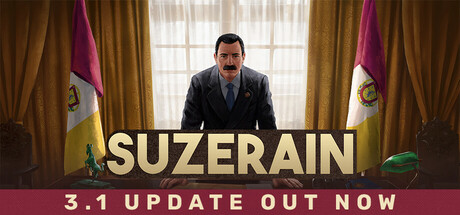
Deep Political Simulation & Narrative: The game is primarily a text-based political simulator and visual novel, where players assume the role of a newly elected president in a Cold War-era country. It blends raw political maneuvering with emotional story beats, requiring players to navigate complex internal and external interests, make policy choices, and deal with a living cast of characters.
Consequential Player Choices: Player decisions have significant and often unexpected consequences, impacting the country's economy, political landscape, and personal relationships. These choices shape the narrative, leading to multiple branching paths and diverse endings, encouraging replayability.
Diverse Ideological Playthroughs: The game offers extensive freedom for players to role-play across a wide political spectrum, from dictators and communists to capitalists, democrats, and reformers. Players can pursue various economic models, social reforms, and foreign policies, leading to vastly different national outcomes.
Cold War-Inspired Setting: The game is set in a fictional country, Sordland, reminiscent of a Cold War-era Eastern European nation in the 1950s. It features a bipolar world with capitalist and socialist blocs, allowing players to experience the geopolitical struggles and internal turmoil of a small country caught between superpowers.
Challenging Governance & Crises: Players face numerous challenges as president, including economic collapse, civil unrest, corruption, geopolitical tensions, and military pressure. The game demands difficult decisions, budget management, and strategic thinking to navigate a country in crisis.
Technical issues and workarounds: Players have found workarounds for windowed mode and noted that the game doesn't run in the background during loading. There are also reports of N-card driver damage and issues with automatic translation in version 3.10.
Legacy version stability: The game reportedly worked perfectly on the legacy beta version (3.0.9), indicating that recent updates might have introduced new issues or regressions.
Developer responsiveness to bugs: Torpor Games has been quick to fix bugs, which is a positive sign of developer engagement and support.
Steam Deck compatibility: The game is confirmed to work on the Steam Deck, which is a positive point for portability and accessibility.
Recommendations
Highly Recommended Game: The game receives overwhelming recommendations from players, often described as a 'must-buy' and 'fantastic.' Many praise its unique experience, especially for those who enjoy story-driven games with significant choices and political intrigue. It's frequently cited as one of the best in its genre.
Strong Political Simulation: Players highly recommend the game for its deep political simulation, appealing to those interested in politics, geopolitics, history, and international relations. It's considered one of the best political games, offering a compelling experience of running a country and making impactful decisions.
Localization Issues (Chinese): There is significant feedback regarding the official Chinese localization, with many players expressing dissatisfaction and requesting improvements or a new version. Some reviewers have even based negative reviews solely on this issue, despite enjoying the game itself.
Reading-Intensive Experience: The game is strongly recommended for players who enjoy extensive reading and text-based narratives. Conversely, it's advised against for those who dislike reading or have difficulty with literary terms, as it's essentially a visual novel with deep storytelling.
Desire for More Content: Players express a strong desire for more content, including additional DLCs, sequels, and expansions for other countries. Many are eager to purchase future releases, indicating high satisfaction with the current game and confidence in the developers.
Other review notes
High demand for new content: Players are eager for more DLCs, expansions, and sequels, particularly those that introduce new playable nations, expand the existing universe, and offer diverse political storylines. There's a strong desire for continued development and exploration of the game's world.
Urgent need for official localization: There is a significant and urgent demand for official language localization, especially for Chinese and Korean. Many players currently rely on fan-made translations, highlighting the critical need for official support to improve accessibility and market reach.
Game's text-heavy nature: The game is characterized by its extensive text and reading requirements, with no voice acting. This makes it appealing to players who enjoy political simulations and deep narratives, but also poses a challenge for non-English speakers.
Political depth and realism: Players appreciate the game's realistic portrayal of politics, drawing parallels to real-world events and historical contexts. It offers a compelling political drama where choices have significant, often difficult, consequences for the player and the nation.
Strong base game and world-building: The game is praised for its compelling premise, well-developed setting, exquisite writing, and overall structural completeness. This strong foundation contributes to player satisfaction and their desire for more content within this universe.