- Charming art and designs
- Extensive customization and difficulty options
- Fun and addictive gameplay
- High replayability with unpredictable runs
- Grindy and repetitive gameplay loop
- Performance slowdown and framerate issues
Emotions
Archetypes
What players like:
Common complaints:
Gameplay feedback:
Performance notes:
Recommendations:
Other player notes:
Similar games
Blend with other games



Review evidence
Why players say this
Review evidence
Why players say this
Steam review verdict
Charming art and designs, deep customization and difficulty options, addictive replayable runs, and unpredictable gameplay are offset by a grindy repetitive loop plus performance and framerate issues.
What players like
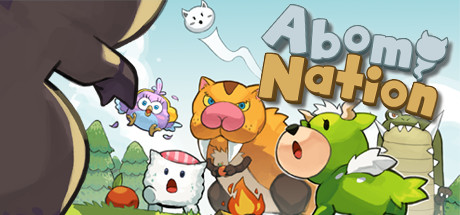
Charming art and designs: Reviewers highlight the charming art style, expressive and memorable Abomi designs, and cute creatures with punny names. The lighthearted whimsical dialogue adds to the charm.
Extensive customization and difficulty options: Players appreciate the wide variety of settings, including adjustable difficulty, permadeath toggle, and run customization. These options let players tailor the challenge to their preference.
Fun and addictive gameplay: The game is consistently described as very fun, a blast to play, and addicting even with simple mechanics. This is the most frequently praised aspect.
High replayability with unpredictable runs: Random world generation, random starters, shops, and party members ensure no two runs are the same. The game encourages multiple playthroughs and offers high replay value.
Smart monster-collector roguelike fusion: The blend of monster collecting with roguelike structure is praised as a great idea and scratches the itch of both genres well. This combination is a key selling point.
Common complaints
Grindy and repetitive gameplay loop: The game feels grindy, slow, and repetitive, with monotonous late-game runs and a tedious achievement grind. Many players find the core loop quickly becomes boring.
Performance slowdown and framerate issues: Players report severe slowdown, poor framerate, and frequent framerate drops that make the game feel sluggish or unplayable at times. The issues are widespread and significantly harm the experience.
Minor bugs and evolution issues: Players encounter small bugs, including a bugged evolution requirement that prevents some creatures from evolving due to missing, unpurchasable, and rarely dropping items. These issues frustrate completion.
Minimal or nonexistent story: Reviewers repeatedly note that the story is bare bones, thin, or practically nonexistent. This lack of narrative depth is a common complaint.
Slow and repetitive cutscenes: Cutscenes are excessively long, slow, and often repeated to death, with repeated expressions. The final cutscene is particularly noted as overly long.
Gameplay and performance
Nuzlocke-style permadeath core: The game is built around a Nuzlocke-inspired ruleset where defeated creatures are permanently removed, making runs feel like a challenge run. This is the most frequently cited identity of the game.
Creature collector with roguelike runs: Players describe it as a monster-collecting RPG combined with roguelike structure, with procedural maps and run-based progression. The collecting loop is central, with roguelike elements layered on top.
Pokemon-style turn-based combat: Battles are turn-based and closely mirror Pokemon conventions, including one-on-one fights and elemental type matchups. Damage calculations are shown on screen, making the system transparent.
Customizable difficulty and permadeath toggles: Players can adjust difficulty settings, including turning permadeath on or off. Disabling permadeath halves final score, offering flexibility for different playstyles.
Random monster recruitment per area: Players recruit one monster per area from a large random pool, reinforcing roguelike run variety. Manual capture is not available; recruitment is tied to progression.
Poor performance on low-end hardware: The game suffers from low FPS, slowdowns, and stuttering on integrated GPUs and older systems. Even simple graphics require a decent computer to run smoothly.
Frequent crashes reported: Many users report the game crashes randomly, often during combat or shortly after launch. Some crashes occur after extended play or in specific biomes, making the game unreliable.
Lack of graphics settings: Users complain about missing or insufficient graphics options to adjust performance, such as no downgrade options or optimization settings. This aggravates issues on lower-end hardware.
Slow startup and cutscenes: The game has slow startup times, sometimes taking over 3 minutes, and cutscenes are unskippable or slow. An unskippable developer logo also contributes to delays.
Save and progress issues: Users report the Save and Quit option is unresponsive and progress is lost after closing the game, leading to frustration.
Recommendations
Ideal for Nuzlocke and roguelike fans: Many reviewers recommend the game specifically to players who enjoy Pokemon Nuzlocke runs and roguelike mechanics. The permadeath, run-based structure appeals to fans of both genres.
Great for creature collection enthusiasts: Players who enjoy collecting and battling cute monsters are consistently pointed to as the core audience. The creature-collection loop is cited as a major draw.
Strong Pokemon-like gameplay appeal: Multiple reviews highlight the game as a good fit for anyone familiar with or interested in Pokemon-style gameplay. It taps into the same turn-based monster-battling formula.
Recommended for roguelike lovers broadly: Reviewers frequently note the game suits fans of roguelikes in general, especially those who appreciate run-based progression and permadeath. Some caution it is not a pure roguelike.
Not for casual or story-focused players: Reviewers warn that the game is not suited for those seeking a relaxing casual experience or deep narrative. The difficulty and grind can be off-putting.
Buying context
Community fair range: $10.00 - $15.00.
Game completion: 40.0h.
Session length: 3.0h.
Players often find the tactical pacing and progression engaging at first, but reports frequently say the game becomes repetitive, slow, and boring toward the late run or end. Tutorial, cutscene, presentation, and crash issues add friction around the early experience.
Friction: Slow tutorial that does not teach useful mechanics; Long cutscenes and low frame rate before the tutorial; Crashes after every fight in the underwater biome; Repetitive, bland environments, characters, and dialogue; No plot motivation made it boring quickly.
Unlock drivers: Custom difficulty settings and extra party-addition options improve progression choice; Changing encounter and reward combinations keep progression engaging; Monster art becomes likable after seeing gameplay footage.
Player profiles
Monster-Collector Systems Veteran: Builds around type effectiveness and streamlined team leveling while judging roster design and battle clarity. Motivation: Mastering familiar creature-collector mechanics, especially type matchups, moves, and team building. Stance: buy.
Nuzlocke Roguelike Challenge Seeker: Runs randomized Nuzlocke-style campaigns, adapts to limited rosters, and seeks new knowledge for repeat attempts. Motivation: Chasing permadeath tension, randomized team-building, and replayable challenge runs. Stance: buy.
Cozy Cute-Monster Story Player: Plays for relaxed monster-taming, cute designs, narrative events, and may disable death or avoid hardcore Nuzlocke pressure. Motivation: Forming emotional bonds with cute creatures and enjoying charm, humor, and character moments. Stance: buy.
Other review notes
Pokemon-style gameplay comparison: Many reviewers compare the game to Pokemon, especially its monster-collecting and battle mechanics. Some describe it as a stripped-down Pokemon focused on core mechanics or a roguelike version with faster pacing.
Nuzlocke-inspired structure: Reviewers frequently compare the game to Pokemon Nuzlocke challenges, noting permadeath and one-monster-per-area rules. The game is designed around this challenge rather than being a traditional roguelike.
Active developer communication: The developer is responsive to feedback, actively patches bugs, and engages with the community on Discord. Reviewers appreciate this ongoing support and openness to criticism.
Solo developer effort praised: The game was made by a single developer over several years, which reviewers often highlight as impressive. This context influences their evaluation of the game's scope and polish.
Compared to Paper Mario visually: The visual presentation and vibe are often compared to Paper Mario games. Some also note similarities in out-of-combat design.