- High-quality graphics and visuals
- Immersive atmosphere and sound design
- Engaging and interesting story
- Optimization and performance problems
- Combat lacks depth and excitement
- Presence of bugs and glitches
Emotions
Archetypes
Hardware
What players like:
Common complaints:
Gameplay feedback:
Performance notes:
Recommendations:
Other player notes:
- -
No data available
Similar games
Blend with other games


Review evidence
Why players say this
Review evidence
Why players say this
Steam review verdict
Stunning visuals and an immersive atmosphere paired with a gripping story shine bright, though clunky combat, persistent bugs, and uneven optimization drag down the experience at times.
What players like
High-quality graphics and visuals: The game features superb graphics, beautiful visuals, and impressive animations. The environments are well-lit and detailed, contributing to an immersive atmosphere.
Immersive atmosphere and sound design: The game's atmosphere is enhanced by excellent music, ambient sounds, and immersive environments. The sound design and soundtrack are praised for their quality.
Engaging and interesting story: The game offers an intriguing and captivating storyline with fascinating lore. Players find the narrative enjoyable and well-directed.
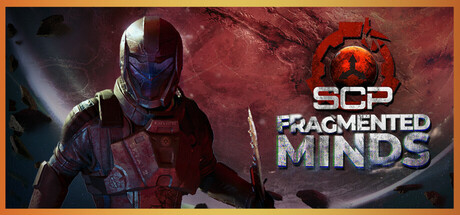
High-quality SCP game: The game is considered one of the best SCP games available, with a strong focus on story and lore. It provides a modern and engaging SCP horror experience.
Spectacular first chapters: The first chapters of the game are particularly enjoyable and well-crafted. Players find the opening chapters to be fun and engaging, setting a good pace for the rest of the game.
Common complaints
Optimization and performance problems: The game suffers from optimization issues, including frame rate drops and performance problems. These issues significantly impact the gameplay experience.
Combat lacks depth and excitement: Combat is frequently described as simplistic, wooden, and lacking depth. Players find it uninteresting and in need of significant improvement to be more engaging.
Crafting system needs improvement: The crafting system is widely criticized for being underutilized, poorly explained, and feeling redundant or pointless. Many players find it disappointing and not well-integrated into the gameplay.
Lacks horror and suspense: The game is criticized for not being scary or suspenseful enough. Players feel that the scares miss the mark and the story lacks depth, making the content feel lacking.
Presence of bugs and glitches: Players have encountered various bugs and glitches, ranging from minor issues to major bugs that affect gameplay.
Gameplay and performance
Puzzle-solving mechanics: The game features a variety of puzzles, including timed mechanics, hacking tasks, and environmental obstacles. These puzzles are integral to progression and add depth to the gameplay.
Survival horror with RPG elements: The game blends survival horror with light RPG elements, creating a first-person horror experience with puzzle-solving and atmospheric tension.
Crafting and inventory system: The game includes a crafting system that allows players to create and upgrade items. This system is tied to an inventory HUD, adding a layer of strategy to resource management.
Linear adventure with immersive sim elements: The game is a linear adventure with immersive sim elements, incorporating RPG mechanics in a small but open world. It features choice-driven narrative and immersive gameplay mechanics.
Navigation and exploration challenges: Players face various navigation challenges, including linear map navigation and exploration-based gameplay. These elements are crucial for progressing through the game's environment.
Loading areas cause lag and stuttering: Players frequently experience lag, stuttering, and freezing when the game loads new areas. This issue is widespread and significantly impacts the gameplay experience.
Bugs and glitches: The game has various bugs and glitches, including animation issues and minor visual glitches. Some players also report more severe issues like phasing through walls and invisible barriers.
Optimization issues: The game has notable optimization problems, including performance issues and frame rate drops. Some players report improvements after updates, but others still find it poorly optimized.
FPS drops and frame stutters: Players encounter sudden FPS drops and frame stutters during gameplay. These issues occur occasionally but are noticeable enough to affect the gaming experience.
Game crashes: Some players report frequent game crashes, while others experience infrequent or no crashes. This issue varies among players but is a significant concern for those affected.
Recommendations
Not recommended in current state: Several reviews mention that the game is not recommended in its current state due to being unfinished and having core issues. It is suggested to wait for further development.
Looking forward to future chapters: Reviewers are excited about the future chapters of the game. They recommend the game with the expectation of future developments and additional content.
Recommended despite issues: Despite some bugs and crashes, many reviewers still recommend the game. They acknowledge the issues but find the game enjoyable overall.
Promising game with potential: The game shows great promise and potential. Reviewers are optimistic about its future and recommend it for its quality and potential.
Not recommended for combat seekers: The game is not recommended for players seeking exciting combat or interesting content. It may not appeal to those looking for action-heavy gameplay.
Buying context
Community fair range: $9.00 - $12.00.
Game completion: 6.0h.
Story completion: 4.5h.
The game starts with a promising first hour or chapter but becomes more engaging and fun from Chapter 2 onwards, where it opens up and offers more freedom and interesting gameplay.
Reported time to anchor: 1h.
Friction: Slow pacing; Repetitive tasks; Linear and tutorial-like first chapter.
Unlock drivers: More engaging content in later chapters; Increased freedom and open areas in Chapter 2.
Player profiles
Critical Veteran: Critical and analytical, focusing on the game's flaws and shortcomings. Motivation: Seeking high-quality, polished experiences. Stance: no buy.
Enthusiastic Supporter: Supportive and optimistic, focusing on the game's potential and future updates. Motivation: Supporting promising games and enjoying future content. Stance: buy.
Future-Focused Investor: Patient and forward-looking, focusing on the game's potential and future updates. Motivation: Investing in games with promising futures. Stance: sale.
Platform notes
The game exhibits performance issues across all hardware cohorts, with lower VRAM configurations experiencing more severe problems such as crashes and frequent stutters. Higher VRAM configurations report fewer crashes but still suffer from frame drops and optimization issues.
Windows <8GB VRAM: negative. This cohort reports frequent crashes, particularly during chapter 2, and significant performance issues.
Windows 12-15GB VRAM: mixed. This cohort experiences noticeable frame drops and stuttering in certain areas, but generally finds the optimization acceptable.
Windows 8-11GB VRAM: positive. This cohort reports some performance issues and high CPU usage, but generally finds the game playable with occasional FPS drops.
Steam Deck: The game has significant stability issues on the Steam Deck, particularly in Chapter 2, making it unplayable at certain points. The developer, while responsive, does not officially support the Steam Deck, which can lead to ongoing issues. Additionally, there are specific technical issues on Linux that detract from the user experience.
Linux and Proton: The game has minor graphical glitches on Linux, such as the intro playing in slow motion. However, more severe issues are reported on Steam Deck, where the game is not recommended due to significant reliability problems, particularly in Chapter 2.