- Immersive Roman experience with historical setting.
- Engaging, balanced turn-based combat.
- High replayability driven by player choices.
- Rewarding meta-progression system.
- Excessive RNG leads to player frustration.
- High difficulty, punishing permadeath mechanic.
What players like:
Common complaints:
Gameplay feedback:
Performance notes:
Recommendations:
Other player notes:
Similar games
Blend with other games






Review evidence
Why players say this
Review evidence
Why players say this
What players like
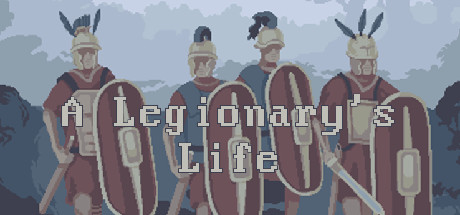
Immersive historical Roman experience: The game's immersive narrative, rich historical setting, and well-developed characters create a compelling experience. Players feel like they are a part of the Roman Republic, experiencing the challenges and triumphs of a legionary during wartime. The game's writing and attention to detail are consistently praised for their quality and ability to draw players into the world.
Engaging and balanced combat: The game features a well-designed and balanced combat system that is both engaging and challenging. The combat requires strategic thinking and rewards players for understanding the mechanics. The system is praised for its depth and realism, making each battle feel meaningful and impactful.
High replayability via choices: The game offers high replayability due to branching storylines, multiple endings, and the ability to make meaningful choices that impact the game world. Players are encouraged to experiment with different strategies and character builds across multiple playthroughs to see all the content. This encourages players to revisit the game and discover new aspects of the story and gameplay.
Rewarding meta-progression system: The game features a meta-progression system where players earn points based on their performance in previous playthroughs, which can then be used to improve subsequent characters. This allows players to overcome challenges and progress further into the game. This system rewards repeated playthroughs and provides a sense of continuous improvement.
Good concept and writing: The game has a good core concept and solid writing, making it a decent overall experience. The pixel art is also praised. However, these points are somewhat general and lack specific details.
Common complaints
Excessive RNG causes frustration: The game's excessive reliance on RNG creates a frustrating experience. Players report frequent misses even with high hit chances, failed skill checks despite adequate stats, and an overall lack of control. This randomness undermines strategic planning and makes success feel arbitrary.
High difficulty, punishing permadeath: The game is very difficult, with frequent deaths and a steep learning curve. Permadeath mechanics exacerbate the frustration, as players lose progress and investment due to unpredictable outcomes. This can lead to a feeling of helplessness and discouragement.
Poorly implemented mechanics hinder gameplay: Mechanics like exhaustion and stance recovery are poorly implemented, leading to frustrating gameplay. Players report that these systems are ineffective and can create detrimental cycles, hindering their ability to recover and progress in combat.
Tedious and frustrating mini-games: Mini-games, such as the food gathering one, are tedious and frustrating due to short time limits and negative consequences for failure. These mini-games detract from the overall experience and feel like a chore.
AI perceived as cheating: Players perceive that the AI cheats, exhibiting behaviors like consecutive recoveries and higher attack success rates that the player cannot replicate. This creates a sense of unfairness and frustration during combat.
Gameplay and performance
Strategic turn-based combat system: Combat is turn-based and revolves around managing character stats like hit points, balance, and stamina. A key element is the stance system, where players must strategically manage their stance to maximize attack opportunities while minimizing vulnerability, adding depth to each encounter.
Permadeath with meta-progression system: The game features permadeath and a roguelite progression system. Upon death, players earn points based on their performance, which can be used to improve subsequent characters' stats, equipment, and skills, enhancing replayability and allowing for deeper runs.
Text-based adventure with choices: The game is a text-based adventure with roguelike elements, set in a historical Roman backdrop. Player choices have consequences, influencing the story and ultimately affecting the game's ending.
Camp management and training: The gameplay alternates between battles and camp life, where players manage their time to improve stats, acquire equipment, and interact with other characters. Camp activities and text-based events provide opportunities to enhance warrior characteristics and increase prestige.
Unclear stat and mechanic explanations: Some game mechanics and stats, such as weapon "handiness", are not clearly explained, leading to confusion during character development. The game does not clearly indicate which attributes affect specific stats.
Pacing is too slow: The game's slow pace is a common complaint, with players feeling the need to use external tools to speed up the gameplay. This suggests that the default game speed is not engaging or enjoyable for many players, especially on repeat playthroughs.
Basic, uninspired graphics: The game's graphics are considered simple and lacking detail. This affects the overall visual experience, making the game appear less polished compared to other titles.
Recommendations
Good value for the price: Many reviewers find the game to be worth its price, especially when on sale. They cite the engaging narrative, character development, and balanced combat as key factors. Some suggest purchasing to support the developer.
Excessive RNG can frustrate: Some reviewers express frustration with the game's heavy reliance on RNG, leading to repetitive grinding and character deaths. While some suggest save-scumming or using Cheat Engine to mitigate this, others find it detrimental to the experience. This point is somewhat contradictory, as some still recommend the game despite the RNG.
Desire for more content: Many reviewers express a desire for more content, including additional campaigns, sequels, or modding support. This indicates a positive overall experience and a hope for future development.
Great for Roman history fans: The game is highly recommended for players interested in Roman history, especially those who enjoy text-based RPGs. Reviewers highlight the immersive Roman experience and historical accuracy.
Game is a masterpiece: Some reviewers express strong positive sentiments, calling the game a masterpiece and praising its realism. However, these points lack specific details about gameplay or mechanics.
Other review notes
Historically accurate Punic Wars setting: The game is set during the Second Punic War and Macedonian War, spanning locations like Hispania, North Africa, and the Balkans. The story and gameplay are enjoyable regardless of prior knowledge, though familiarity with the history enhances the experience.
Well-crafted setting and atmosphere: Despite simple graphics, the game creates a well-crafted atmosphere. The setting enhances the overall experience.
Text-based roguelike RPG: The game is a text-based roguelike RPG. This is a core element of the game's design and gameplay.
Experience Roman soldier's life: Players experience the life of a Roman soldier, starting as a conscript and potentially rising to become an officer. The game allows players to embody their character's progression through the ranks.
Developed by solitary developer: The game appears to be a passion project developed by a single person. This provides context for the game's scope and design choices.