- Visually stunning and explorable open world.
- Fluid traversal with a fun jetpack.
- Enjoyable, fast-paced combat system.
- Extensive weapon customization system.
- Weak, confusing, and generic story.
- Generic and repetitive open world.
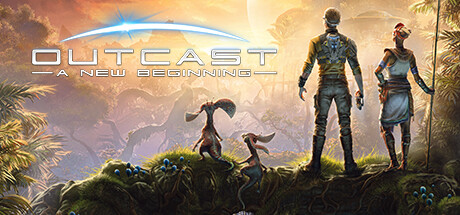
What players like:
Common complaints:
Gameplay feedback:
Performance notes:
Recommendations:
Other player notes:
Similar games
Blend with other games





Review evidence
Why players say this
Review evidence
Why players say this
What players like
Visually stunning, explorable open world: The game features a visually stunning and detailed open world, with diverse biomes, vibrant flora and fauna, and impressive architecture. The world design encourages exploration and discovery, with interconnected quests and meaningful consequences for player actions. The graphics, art style, and level of detail contribute to a captivating and immersive experience.
Engaging story, humorous dialogue: The game features engaging dialogue, humorous writing, and likeable characters. The story is generally well-received, with many reviewers finding it easy to get invested in. The game balances serious themes with lighthearted moments, creating an enjoyable narrative experience.
Worthy successor, captures original essence: The game is a worthy successor to the original, capturing the essence and atmosphere of the first Outcast while introducing new features and improvements. The game evokes nostalgia for fans of the original, while also being accessible to new players. The developers' passion and care for the series are evident throughout the game.
Fluid traversal with fun jetpack: The jetpack is a standout feature, enabling fast and fluid traversal, vertical exploration, and creative combat maneuvers. Upgrades to the jetpack enhance mobility and provide a sense of progression, making exploration more enjoyable and reducing reliance on fast travel. The world design complements the jetpack mechanics, encouraging players to explore every nook and cranny.
Deep, satisfying weapon customization: The game features a simple yet satisfying weapon customization system, allowing players to modify their weapons with modules found throughout the world. These modules can radically alter weapon behavior, leading to unique and powerful combinations that enhance combat. The weapon upgrade system encourages exploration and provides a sense of progression.
Common complaints
Weak, confusing, generic story: The game suffers from a weak, confusing, and generic story with a rushed and unsatisfying ending. Many reviewers found the plot illogical, the characters uninteresting, and the dialogue poorly written, ultimately detracting from the overall experience.
Generic and repetitive open world: The open world feels generic, repetitive, and uninspired, with dated mechanics reminiscent of Ubisoft-style games. Reviewers criticized the lack of enemy variety, repetitive quests, and empty spaces, making exploration feel tedious and unrewarding.
Clunky and awkward controls: The game's controls and movement feel clunky, awkward, and unresponsive, making traversal and combat frustrating. Reviewers specifically mention issues with key mapping, weapon switching, and the jetpack mechanics, hindering the overall gameplay experience.
Excessive cutscenes and dialogue: The game features an excessive amount of cutscenes and dialogue that disrupt the gameplay flow and become tiresome. Many reviewers found the dialogue poorly written, the characters uncharismatic, and the constant interruptions detrimental to the overall experience.
Numerous bugs and technical issues: The game is plagued by numerous technical issues, including bugs, crashes, sound glitches, and poor optimization. Reviewers also noted dated graphics, stuttering, and inconsistent performance, even on high-end PCs, leading to a frustrating and unpolished experience.
Gameplay and performance
Standard open-world structure: The game features a standard open-world structure with numerous quests and activities. While some find it engaging and varied, others note repetitive elements and a lack of innovation. The world is vast and encourages exploration, but can feel like a typical Ubisoft-style open world.
Extensive weapon customization system: The game features a limited number of weapons (pistol and rifle) that can be extensively customized with modules. These modules allow players to significantly alter weapon behavior and create diverse combat styles. This customization adds tactical depth to the otherwise simple combat.
Slow start, opens up later: The game features a slow start with a tutorial phase that limits exploration. After the tutorial, the world opens up, allowing for free exploration with the jetpack. Progression is tied to world design, with upgrades found through exploration and quests.
Expands lore, dynamic gameplay: The game expands on the lore and cultures of the Talans and humans from the first Outcast. The structure is similar to the original, with the player helping the Talans, but features a more interconnected open world. The gameplay is more dynamic, fast-paced, and action-focused compared to the original.
Avatar-like narrative theme: The game's narrative is similar to Avatar, with humans invading an alien world to steal resources. The player character sides with the local population against the invaders. This theme of conflict between humans and indigenous populations is central to the story.
Inconsistent performance, optimization issues: The game's performance is inconsistent across different hardware configurations and graphics settings. Some players report significant performance improvements by switching between DirectX 11 and DirectX 12, while others find that adjusting graphics settings has little impact. This suggests that the game's optimization is not well-tuned for all systems.
Menu-related bugs and glitches: Players have encountered issues with menus, including getting locked in menus and experiencing glitches when opening them in certain situations. Loading a save after a menu glitch may revert the game to a previous state, causing lost progress.
Hardware issues reported by players: Some players have reported issues with their computer's hardware while playing the game, such as the fans increasing to maximum speed during NPC conversations and the game crashing the driver.
Recommendations
Enjoyable and worthwhile experience: Many reviewers enjoyed the game, finding it fun, charming, and a worthwhile adventure despite its flaws. Some even consider it a potential game of the year or a surprise hit. The game's ability to provide entertainment and enjoyment is a recurring theme.
Good for casual, fun gameplay: The game is recommended for those seeking a light, fun, space-themed sci-fi game with jank and quirks. It's also recommended for players who enjoy plot-driven experiences and shooting mechanics.
Slow start, but improves later: The game has a slow start that might be underwhelming until players understand the world and progression. Once players let go of modern open-world expectations and embrace the sandbox nature, the game blossoms.
Recommend purchasing on sale: A common sentiment is that the game is not worth its full price due to various issues. Reviewers often suggest waiting for a sale or discount before purchasing. Some reviewers explicitly state the game is only worth buying at a significantly reduced price.
Appeals to original Outcast fans: The game is often seen as a title that will primarily appeal to fans of the original Outcast game. Some reviewers suggest that those who enjoyed the first game will likely appreciate this one, while others caution that newcomers may not find it as appealing.
Other review notes
Faithful sequel to original Outcast: The game is a direct sequel to the original Outcast, set 25 years later, and successfully captures the tone and spirit of the first game. While knowledge of the first game isn't strictly required, it enhances the experience due to returning characters, lore, and references. The relationship between Cutter and Marion changes in retrospect, which may bother fans of the first game.
Avatar/Stargate-inspired sci-fi setting: The game's story and setting draw comparisons to both Avatar and Stargate, creating a unique blend of sci-fi and cultural themes. The plot involves humans colonizing an alien world, leading to conflicts and alliances with the native population. Some reviewers felt the Avatar comparison was particularly strong.
Cheesy, campy, self-parodying tone: The game embraces a deliberately cheesy and campy tone, reminiscent of B sci-fi movies from the 80s. This is reflected in the dialogue, characters, and overall presentation, with moments bordering on self-parody. The game world is built to amuse rather than overwhelm the player.
Limited post-game, unskippable credits: The game lacks post-story open-world play, and the ending credits are unskippable with a long period of silence. Also, the game warns about a point of no return, but the message was misleading, implying content would be locked until the finale, not permanently.
Great soundtrack by original composer: The game features a great soundtrack composed by the original composer. The music is described as cinematic and pleasant, enhancing the overall atmosphere and immersion.