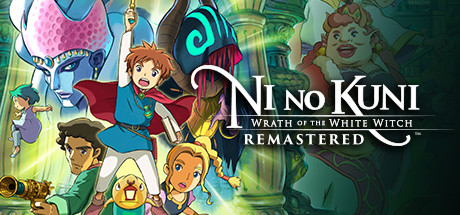
- Stunning Ghibli art direction
- Amazing soundtrack by Hisaishi
- Beautiful and heartfelt story
- Combat system is clunky
- Poor AI for companions
- Excessive grinding required
Emotions
Archetypes
What players like:
Common complaints:
Gameplay feedback:
Performance notes:
Recommendations:
Other player notes:
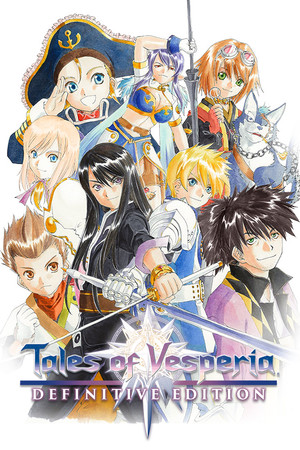
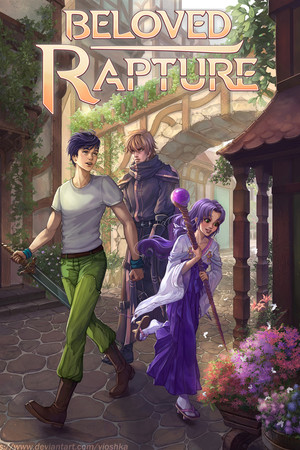
Similar games
Blend with other games




Review evidence
Why players say this
Review evidence
Why players say this
Steam review verdict
Stunning Ghibli art direction and a heartfelt story with an amazing soundtrack, but clunky combat, poor AI, and excessive grinding detract.
What players like
Stunning Ghibli art direction: Players consistently praise the game's beautiful art style, noting its strong resemblance to Studio Ghibli films. The hand-drawn visuals, watercolor-like environments, and charming character designs are frequently cited as the game's best feature.
Amazing soundtrack by Joe Hisaishi: The music, composed by Joe Hisaishi, receives high praise for its beauty, emotional depth, and perfect fit with the game's atmosphere. Many players describe the soundtrack as unforgettable and a major highlight.
Beautiful and heartfelt story: Reviewers appreciate the story's heartwarming, touching, and wholesome nature. The narrative is described as well-crafted, with excellent pacing, memorable characters, and meaningful world-building.
High-quality animated cutscenes: The animated cutscenes, especially those in Studio Ghibli style, are widely praised for their stunning visuals, emotional impact, and cinematic quality. They enhance the storytelling and overall immersion.
Collecting and raising familiars: The Pokemon-like creature collection and evolution system is a major draw for many players. Raising, taming, and customizing familiar creatures adds significant enjoyment and replay value to the game.
Common complaints
Combat system is clunky and unfun: Players consistently find the combat system to be clunky, slow, and unresponsive. It fails to engage players due to its awkward pseudo-real-time hybrid mechanics.
Poor AI for companions and party: The AI for companion characters is widely criticized as incompetent, wasting resources, failing to defend, and making poor decisions. This makes party members more of a liability than an asset.
Excessive grinding required: The game demands significant grinding for level progression, often to overcome difficulty spikes and boss fights. This grinding is seen as tedious and unnecessary padding.
Story is shallow and slow-paced: The narrative is criticized as predictable, lacking depth, and moving at a very slow pace. Many players found it unengaging and not worth the effort.
Side quests are fetch-quest heavy: Side quests are overwhelmingly simple fetch quests that become repetitive quickly. They offer little variety and often require harsh drop rates or tedious tasks.
Gameplay and performance
Pokemon-like creature collection and evolution: The game features extensive creature collection, capturing, evolving, and training mechanics, drawing frequent comparisons to the Pokemon series. Clusters 1, 3, 5, 12, and 19 all highlight this core mechanic.
Hybrid real-time and turn-based combat: The combat system mixes real-time action with turn-based elements, often involving menu selection or ATB-like mechanics. Clusters 4, 6, 11, 13, 18, 20, and 23 all describe this hybrid approach, which is a defining feature.
Familiar system with tactical battles: Players capture and use familiars to fight alongside them in battles, with a variety of species that can level up and evolve. Clusters 2 and 14 specifically mention familiar mechanics, including shared HP pools.
Side quests and monster hunts: The game offers many side quests including fetch and kill missions, bounties, and monster hunts. Cluster 7 provides unanimous feedback on this aspect.
In-game lore and reference book: A comprehensive in-game encyclopedia (over 300 pages) provides lore, recipes, and material locations. Clusters 15 and 22 highlight this 'Wizard's Companion' book.
Performance improvements praised: Multiple players highlight the remaster's enhanced resolution, smoother framerates, and better visual quality compared to the original.
Framerate drops and stuttering: Several reviews mention occasional framerate drops, freezes, and stuttering, particularly on PC or during cutscenes.
High refresh rate support: Players appreciate support for high refresh rates, 4K resolution, 60+ FPS, and uncapped framerates on capable hardware.
Steam Deck compatibility okay: The game runs smoothly on Steam Deck, though there is a button display mismatch and otherwise positive performance when settings are maxed.
Graphics options available: Players mention options for anisotropic filtering, anti-aliasing, resolution, and framerate capping on PC for customization.
Recommendations
Highly recommended for Ghibli fans: The game is overwhelmingly recommended for fans of Studio Ghibli and JRPGs, with many praising its art style and connection to Ghibli works. This is the most common sentiment across reviews.
Strong overall recommendation: Several reviewers give a highly positive recommendation without conditions, stating the game is worth playing and worth the price. These are clear endorsements.
Must-play for JRPG enthusiasts: The game is strongly recommended for fans of JRPGs and Japanese anime, with several reviewers calling it a must-play for the genre. It is praised for its mechanics and style.
Buy on sale recommended: Many reviewers advise waiting for a sale before purchasing, as the game often goes on deep discount. This suggests the full price may not be justified for some.
Not recommended by some: A minority of reviewers do not recommend the game, citing poor gameplay or other issues. This negative feedback is less common but present.
Buying context
Community fair range: $15.00 - $25.00.
Game completion: 80.0h.
Story completion: 50.0h.
The game hooks players with Ghibli aesthetics and an interesting start, but becomes tedious through excessive tutorials, repetitive combat, and slow progression, with some relief only after significant grinding and familiar development.
Friction: tutorial overload; repetitive combat; slow pacing; grinding required; poor explanation of systems.
Unlock drivers: fleshing out familiar team and leveling up; learning combat mechanics; persisting through early hours.
Player profiles
Ghibli Devotee: Focuses on story progression, exploration, and emotional engagement; may avoid challenging combat and play on easy difficulty. Motivation: Experience a magical story and beautiful world inspired by Studio Ghibli. Stance: buy.
Grind-Weary Veteran: Seeks to complete all content and optimize strategies, but is severely frustrated by mandatory grinding and flawed combat mechanics; may resort to easy difficulty or give up. Motivation: Completion and overcoming challenges, but hindered by artificial difficulty from grind and poor AI. Stance: sale.
Monster Collection Enthusiast: Focuses on catching and evolving familiars, researching optimal stats and teams, and spending time on farming for rare creatures. Motivation: Collect and develop the best familiars, optimize team composition, and enjoy the creature-collection loop. Stance: buy.
Platform notes
Steam Deck: The game runs smoothly on Steam Deck with excellent visuals and performance for many users, but suffers from persistent issues with controller button prompts (PlayStation icons) and awkward default control mapping that may require user adjustment. This mixed experience has led to debate over its Steam Deck Verified status, as some feel the minor but notable friction warrants a lower rating.
Linux and Proton: The single review reports the game runs perfect on Steam Deck (Linux) with max settings, indicating no Linux-specific friction. The suggestion against verification is ambiguous and not tied to compatibility problems.
Extra review signals
External guides: User feedback reveals a moderate dependency on external wikis and walkthroughs due to missing in-game guidance on progression pacing and hidden secrets (chests), despite the presence of a praised in-game encyclopedia. The primary complaints fall under instructional and secret-finding needs.
Other review notes
Subtitle fix via launch command: A user mentions that using a specific launch command, `-lang latam`, fixes Latin American Spanish subtitles. This suggests a potential localization issue with subtitles that can be resolved by manually adjusting the language parameter.
Long wait to play: One reviewer shares a personal story of waiting nine years to play the game, implying strong anticipation or delayed access. This feedback is anecdotal and provides no specific gameplay critique.