- High replayability with mods and custom tracks
- Effective full-body workout in VR gameplay
- Addictive and rewarding gameplay loop
- Accessible yet challenging for all skill levels
- Overpriced DLC and music packs
- Performance and technical issues persist

Emotions
What players like:
Common complaints:
Gameplay feedback:
Performance notes:
Recommendations:
Other player notes:
Similar games
Blend with other games






Review evidence
Why players say this
Review evidence
Why players say this
What players like
High replayability with mods and custom tracks: Mods, custom songs, and community-created content significantly extend the game’s lifespan. Players highlight the ease of modding and the vast library of free custom tracks as key reasons for continued engagement.
Effective full-body workout: The game combines rhythm gameplay with physical movement, burning calories and improving coordination. Players report weight loss, improved fitness, and a fun alternative to traditional exercise.
Addictive and rewarding gameplay loop: The game offers a simple yet challenging concept with a high skill ceiling, providing dopamine-driven satisfaction from slicing blocks to rhythm. Players find it engaging, addictive, and rewarding over long-term play.
Accessible yet challenging for all skill levels: The game features a low skill floor but high skill ceiling, with difficulty levels catering to beginners and experts. Players appreciate the gradual progression and the satisfaction of mastering harder levels.
Immersive audiovisual experience: The game’s neon-futuristic aesthetic, dynamic lighting, and synchronized music create an immersive VR experience. Players praise the visuals, soundtrack, and satisfying feedback from gameplay.
Common complaints
Overpriced DLC and music packs: Players consistently report that the game's DLC and music packs are excessively priced, with many feeling the content does not justify the cost. The base game also includes very few free songs, forcing players to purchase additional tracks.
Heavy reliance on mods for content: The base game is criticized for lacking sufficient content, making mods essential for custom songs, multiplayer, and other features. However, mods frequently break due to updates, disrupting gameplay.
Unintuitive and restrictive gameplay mechanics: Players report issues with unintuitive note placement, restrictive hand assignments, and mechanics that encourage small wrist movements over full swings. These design choices increase frustration and physical strain.
Performance and technical issues: Players experience frequent lag, crashes, long load times, and stuttering, which disrupt gameplay. These issues persist despite hardware upgrades and are not adequately addressed by updates.
Poorly balanced difficulty and mapping: The game's difficulty levels are inconsistent, with some songs being overly difficult even on 'easy' mode. Custom and official maps often have poor rhythm or mapping, frustrating new and experienced players alike.
Gameplay and performance
Multiplayer and social features: The game includes multiplayer modes (up to 5 players), track voting, and leaderboards for global competition. While not cross-platform, it supports co-op and competitive play with friends, enhancing social engagement.
Core rhythm-based slicing gameplay: The game revolves around slicing blocks or cubes in sync with music, often using VR motion controls. Players must cut color-coded and directional blocks to the beat, with mechanics resembling *Fruit Ninja* or *Guitar Hero*.
VR-specific design and limitations: The game is optimized for VR, with considerations for play session limits, motion sickness, and physical space requirements. However, wired headsets may interfere with large arm swings, and no full-body tracking is supported.
Scalable difficulty and progression: Difficulty levels range from Easy to Expert+, with skill-based progression that ramps up via complex patterns, faster tempos, and obstacles. The game is easy to learn but hard to master, with a high skill ceiling for long-term engagement.
Visual and audio customization: Players can customize visuals (e.g., neon rave effects, saber skins) and audio (e.g., song selection, modded tracks). Mods like *Chroma* or *Extra Sensory* enhance lighting, colors, and mechanics for accessibility or immersion.
VR platform inconsistencies: Performance and stability differ across VR platforms. Pico 4 and Oculus versions are reported to work better, while SteamVR, Valve Index, and PSVR users face issues like black screens, tracking problems, or crashes. Hardware-specific quirks (e.g., Quest controllers, Vive Cosmos) exacerbate these problems.
Persistent stuttering and lag: Stutters, micro-stutters, and lag are widespread, even after updates or settings adjustments. These issues are linked to SteamVR updates, hardware limitations, or network conditions (e.g., WiFi vs. Ethernet), and directly impact gameplay (e.g., hitting notes accurately).
Hardware performance critical: The game's performance varies significantly based on hardware, with high-end PCs (e.g., RTX 3080, i7 12700k) delivering smooth experiences, while mid-range or weaker systems (e.g., Meta Quest, RX 580) suffer from lag, stutters, or crashes. Specific GPU/CPU requirements are frequently mentioned.
Network and connectivity demands: Smooth gameplay requires decent internet (preferably Ethernet), with WiFi settings (e.g., bitrate) affecting performance. Multiplayer modes on Quest 3S/2 and Steam Link compatibility issues highlight network-related instability.
Tracking and calibration flaws: Tracking issues (e.g., loss of controller tracking, height detection problems) and audio sync delays require manual recalibration. Hardware-specific tracking limitations (e.g., PSVR, Vive Cosmos) further degrade immersion.
Recommendations
Must-have VR rhythm game: The game is repeatedly described as a 'must-have' or 'killer app' for VR users, especially those who enjoy rhythm games or physical activity. It is often recommended as one of the best reasons to own a VR headset.
Social and shared experience: The game is recommended for social settings, such as playing with friends or couples, due to its engaging and immersive gameplay.
Avoid recent updates for stability: Players advise avoiding specific updates (e.g., 1.40.4) due to performance issues, suggesting that modding or legacy versions may offer a better experience.
Base game worth the price: Despite some pricing concerns, the base game is widely considered worth the purchase, especially if modding is embraced. DLC is often seen as optional or secondary.
Cultural impact and nostalgia: The game is compared to iconic titles like Tetris in terms of cultural impact, and players suggest adding songs from specific artists (e.g., Pendulum, Katy Perry) to enhance the experience.
Platform notes
Steam Deck: The Steam Deck experience for this game is marred by significant technical barriers, including Linux compatibility issues, reliance on third-party launchers/mods, hardware instability, and poor UI/UX design. While a minority of users report smooth performance, the majority face high-friction obstacles such as crashes, unreadable text, and forced workarounds. The game's reliance on Proton Experimental and external tools to function properly on Linux-based systems is a critical red flag.
Extra review signals
Monetization: Beat Saber's monetization strategy is widely criticized for its overpriced and excessive DLC, which users perceive as exploitative. The base game is seen as lacking sufficient content, forcing players to rely on mods or purchase DLC to maintain enjoyment. Additional issues include lost access to paid DLC due to copyright disputes, aggressive monetization at the expense of free updates, and tactics like rotating bundles to obscure true costs. While the game itself is praised for its core gameplay, the monetization practices significantly detract from the user experience.
Other review notes
Multi-platform accessibility challenges: Players highlight the difficulty of maintaining four versions of the game (PC, Quest, PS4, PS5), which may have strained development resources. Many also purchased specific hardware (e.g., PSVR2 adapter, Quest 2) to play the game across platforms.
DLC and future content updates: Players express enthusiasm for additional music packs and DLC, noting the game’s potential for long-term engagement. Some mention the availability of extra tracks as a key factor in their purchase decisions.
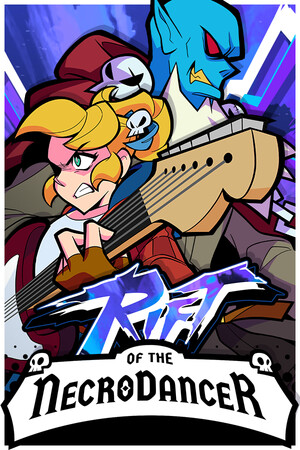
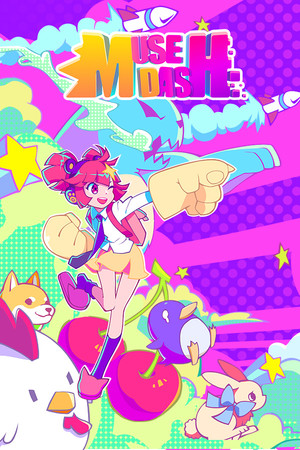
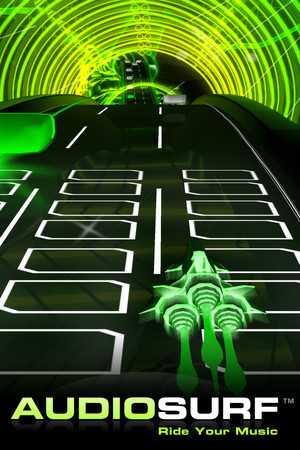
Comparisons to other rhythm games: Players frequently compare the game to titles like *Synth Riders* and *Audio Trip*, suggesting it competes in a crowded market. These comparisons help contextualize its strengths and weaknesses.
High long-term engagement: Players report extensive playtime (e.g., 2.5K hours), demonstrating the game’s ability to retain interest. This highlights its appeal as a long-term rhythm game experience.
Stat tracking issues: Players report problems with stat tracking, which detracts from the competitive or progression aspects of the game. This is a functional concern that impacts gameplay experience.