- Stunning art and visuals
- Excellent music and sound design
- Engaging story with plot twists
- Protagonist Nikolai is unlikable
- Story and writing are flawed
- Unfavorable comparison to Everlasting Summer

Emotions
Archetypes
What players like:
Common complaints:
Gameplay feedback:
Performance notes:
Recommendations:
Other player notes:
Similar games
Blend with other games






Review evidence
Why players say this
Review evidence
Why players say this
Steam review verdict
Stunning art and music elevate an engaging story with twists, but a flawed writing and unlikable protagonist drag it down compared to Everlasting Summer.
What players like
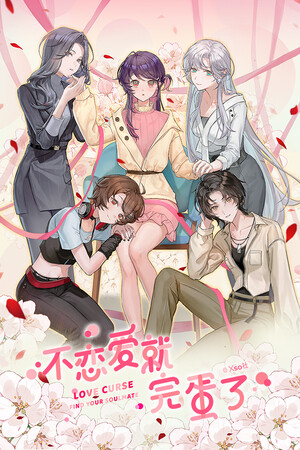
Stunning art and visuals: Reviewers consistently praise the game's art and visuals, highlighting beautiful music and art, high-quality sprites, animated backgrounds, consistent illustrations, and character designs. The visual presentation is a major strength, with many calling it magnificent and like a movie.
Excellent music and sound design: The soundtrack receives high marks, with mentions of 88 tracks, fantastic music, and tracks added to playlists. Background sounds are pleasant, and the overall audio quality enhances the experience.
Engaging story with plot twists: The story is interesting and emotionally impactful, with surprising, well-placed plot twists that keep players engrossed. Some note the unpredictable nature and twists toward the end.
Well-developed characters: Characters are described as well-written with individuality, motivation, and growth. The protagonist Nikolai is praised for agency and charm, and characters feel alive, sympathetic, and realistic, including intentional flaws.
Standout character routes (Kagome and Eli): Specific routes receive high praise: Kagome's route is often called the best with a happy ending, and Eli's route is also very good. Eli is considered the best character with a living personality.
Common complaints
Protagonist Nikolai is unlikable: Many reviews criticize the protagonist Nikolai for being whiny, stupid, irritating, irrational, and aggressive. His personality is a major detractor, making him difficult to relate to or enjoy.
Story and writing are flawed: Feedback highlights poor story development, lack of meaningful choices, rushed endings, flat characters, overwriting, and an illusion of choice. Many players felt the game's narrative was disjointed and unsatisfying.
Unfavorable comparison to Everlasting Summer: The game is often compared unfavorably to its predecessor Everlasting Summer, with complaints about lacking atmosphere, less memorable music, and failing to capture the 1980s feel.
Technical issues and inconsistencies: Players reported game freezes and crashes within minutes of play, as well as inconsistent CG quality between the demo and late game. These technical problems hinder the experience.
Catherine character is disliked: Reviews note that the character Katherine (or Catherine) is not well-liked, and the protagonist's repetitive obsession with her is annoying and detracts from the story.
Gameplay and performance
Multiple Routes and Endings: The game is a choice-driven visual novel with multiple character routes and endings. Players can follow different girls (Ellie, Kagome, Himitsu, Catherine) and experience branching stories with varying outcomes, requiring replay to see all content.
1980s Tokyo Setting with Russian Protagonist: Set in Tokyo, 1987, during the Cold War, the story follows a Russian immigrant schoolboy protagonist. The setting includes political intrigue and a spy thriller atmosphere, with the protagonist chased by intelligence agencies.
Large Volume of Content: The game offers a huge amount of content: each route takes 10-15 hours, and full completion can exceed 100 hours. DLC adds 3-6 hours of additional story set seven years later, contributing to a very long gameplay experience.
Point-Based System Influences Endings: Choices are governed by an invisible point system that determines which ending you get. The system tracks relationship points and hidden scores, making consequences sometimes unpredictable and encouraging multiple playthroughs.
Mature Themes and Dramatic Story: Themes include drugs, abortion, teenage angst, romance, and dramatic twists. The story is emotionally driven, resembling a telenovela with a focus on the protagonist's internal struggles and heavy topics like single-parent families.
Frequent freezes and crashes: Players report that the game freezes and becomes unplayable after a few minutes of play, often within 10 minutes. These crashes are linked to optimization issues, making the game frustrating to play.
Black screen in ending descriptions: Some players encounter black screens instead of location descriptions during the endings, which breaks immersion and prevents proper story delivery.
Recommendations
Mixed overall reception: The game receives both strong recommendations and strong avoidances. Many players recommend it unconditionally, while an equally large group advises against buying or even playing it. The feedback is polarized.
Strong negative: avoid at all costs: A large subset of reviews strongly advises against buying the game, calling it a waste of time and money, regretting the purchase, and even suggesting pirating or playing alternative games instead.
Target audience warnings: The game is often described as not for everyone. It is recommended for fans of visual novels, those who tolerate flawed protagonists, hardcore players, or those looking for a deep story. Conversely, it is not recommended for casual players, those seeking relaxation, or those who dislike nonsensical writing.
Comparisons to Everlasting Summer: Many reviews compare this game to 'Everlasting Summer' (Бесконечное лето). Some recommend it as a successor, while others advise replaying Everlasting Summer instead or downloading it for free. The comparisons are frequent and affect recommendations significantly.
Route-specific recommendations: Many reviewers single out specific character routes as the only worthwhile parts of the game. Routes like Ellie/Eli, Catherine/Katy, Kagome, and Elizabeth Kobayashi are frequently mentioned. Some advise a specific order, such as leaving Catherine/Katy route for last.
Buying context
Community fair range: $15.00 - $20.00.
Game completion: 45.0h.
Story completion: 6.0h.
The game hooks players with an addictive atmosphere from the start, but quickly becomes a tedious slog due to a boring mystery, insufferable characters, hindered agency, and pacing problems, creating a fun-then-drop experience.
Friction: tedious slog; boring mystery; insufferable characters; hindered player-agency; pacing issues; awkward transitions.
Player profiles
Romance-Driven Story Lover: Chooses routes based on heroine appeal, aims for good endings, reads all text carefully. Motivation: Emotional connection with heroines and immersive story. Stance: sale.
Critical Completionist: Plays all routes, seeks 100% achievements, critically assesses writing and design. Motivation: Achievement completion and evaluation of game/story quality. Stance: sale.
Ellie Route Devotee: Focuses solely on Ellie's route, aims for good ending, ignores other content. Motivation: Emotional investment in the character Ellie. Stance: buy.
Other review notes
Deus ex machina plot points: Players pointed to specific story elements—Ketrin's pregnancy, Kagome being Eli's sister, and Eli being a drug addict—as forced deus ex machina that weakened the narrative.
Development time waste criticized: Players felt that the six-year development time was wasted, implying the final product did not live up to the long development period.
DLC pricing concerns: Players complained about the pricing of downloadable content, suggesting it was too high or not justified.
Sarcastic feedback tone: Some reviews used a sarcastic tone to express dissatisfaction, indicating a negative but non‑specific criticism of the game.