- Highly positive game reception overall
- Fun and addictive gameplay loops
- Multiplayer and co-op modes praised
- Engaging story mode with campaign
- Satisfying robot destruction combat
- Microtransactions added to paid game
Emotions
Archetypes
Hardware
What players like:
Common complaints:
Gameplay feedback:
Performance notes:
Recommendations:
Other player notes:
Similar games
Blend with other games




Review evidence
Why players say this
Review evidence
Why players say this
Steam review verdict
A highly praised, addictive game with great co-op and a fun robot-smashing campaign, though paid microtransactions in a full-price release are a letdown.
What players like
Highly Positive Game Reception: Many players describe the game as excellent, fun, and satisfying, using terms like 'masterpiece' and 'addicting'. The overwhelmingly positive sentiment highlights strong overall enjoyment and value.
Fun and Addictive Gameplay: The gameplay is frequently called fun, addictive, and engaging, especially when played with friends. Players appreciate its ability to provide enjoyable moments and pass the time.
Engaging Story Mode: The story mode is well-received, with players finding it entertaining, complete, and replayable on different difficulties. Some even report emotional investment, such as crying at completion.
Robot Destruction Satisfaction: Destroying robots with various methods, including slicing with lightsabers, is highly satisfying. The dynamic destruction and variety of robot enemies contribute to the fun.
Simple Yet Addictive Gameplay: The gameplay is easy to learn and simple, yet remains interesting and addictive. Players note that it can be made challenging if desired.
Common complaints
Microtransactions added to paid game: Players strongly resent the addition of microtransactions to a paid, single-player game nearly a decade after release. Many view it as a greedy cash grab on a game that had been absent for a long time, killing what was left of the community's goodwill.
Short and lacking story: The story mode is too short and simple, often beatable in around two hours. The narrative is poorly made and lacking in depth.
Multiplayer broken and tacked on: Multiplayer is widely described as inconvenient or non-functional, with many calling it horrible and vestigial. It is a significant downside for many reviewers.
Repetitive after a while: Many players find the game becomes repetitive and boring after playing for a while. It loses its appeal quickly.
Frequent bugs and instability: The game is repeatedly described as buggy, with issues appearing in both single-player and multiplayer. Annoying bugs occur here and there and detract from the experience.
Gameplay and performance
Multiplayer and Co-op Modes: The game offers multiplayer modes including online PvP, co-op, and private battles. Players can team up with friends or compete against each other in various game modes.
Robot Destruction and Combat: Players engage in combat against robots, with dynamic destruction that allows slicing, dismembering, and breaking robots into pieces. Enemies include various robotic foes.
Story Mode with Campaign: A single-player story mode is available, featuring multiple chapters, cutscenes, and difficulty settings such as Normal, Hard, and Insanity. The campaign includes replayability and a linear plot with an open ending.
Challenging Difficulty and Modes: The game offers challenging difficulty settings, including an Insanium or insanity mode known for being very hard. Challenges are present, with options for retries and post-game content.
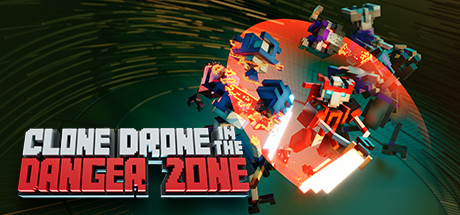
Robot Gladiator Arena Battles: The gameplay centers on robot gladiators fighting in arena battles. Players control clone robots in voxel-based combat against other robots.
Low system requirements: Many reviewers report the game runs well on low-end hardware, including weak PCs and integrated graphics from years ago. It is praised for being less demanding than games like CS:GO.
Server lag and connectivity: Server lag causes significant issues even when playing on nearby servers or hosting locally. Distance to servers often exacerbates the problem.
Frequent game crashes: Players experience consistent crashes, often triggered by specific actions such as mounting the saw or dinosaur, spawning a raptor, or during co-op challenges.
Occasional freezes and hangs: The game may freeze occasionally, hang when loading maps on Steam Deck, or freeze on the upgrade screen.
Good performance overall: Many players report smooth performance, including high FPS at max settings on capable hardware and stable runs on specific configurations.
Recommendations
High Overall Recommendation Rate: Many reviewers strongly recommend the game to everyone. Clusters 1 and 2 show a high volume of positive recommendations.
Worth the Money: Reviewers frequently mention that the game is worth its price, especially on sale. Clusters 3, 4, and 5 highlight value for money.
Wait for Sale: Some reviewers advise buying only on discount due to price concerns. Clusters 8, 10, and 30 suggest waiting for a sale.
Better with Friends: Playing in co-op is often recommended for a better experience. Cluster 6 notes that having a friend to play with enhances enjoyment.
Appeals to Specific Genres: The game is recommended for those who enjoy pixel art, sci-fi, and fast combat. Clusters 38, 40, and 47 mention genre preferences.
Buying context
Community fair range: $9.99 - $14.99.
Game completion: 10.0h.
Story completion: 2.5h.
Endgame: 60.0h.
Clone Drone in the Danger Zone often has an initial learning curve with its combat controls, after which players report it becoming addictive; later endless and multiplayer content extends the fun, especially with friends. Some players find it fun immediately, but the clearest timing cue links enjoyment to mastering controls and reaching multiplayer/endless content.
Friction: Initial difficulty with controls and combat; Multiplayer connection issues, lag, and crashes; Sparse multiplayer lobbies and difficulty finding matches; Co-op and multiplayer achievements relying on other players; Multiplayer deathmatch has no respawn, forcing a new match after death.
Unlock drivers: Getting the hang of the controls; Graduating into multiplayer after story mode difficulty progression; Multiplayer and workshops keeping players entertained after beating story mode; Playing endless mode or challenges; Playing with friends in co-op or 1v1.
Player profiles
Single-Player Completionist: Grinds campaign, challenge, and endless modes solo; hunts achievements and 100% completion. Motivation: Achievement completion and mastering story, challenge, and endless content. Stance: buy.
Competitive PvP Duelist: Focuses on multiplayer deathmatch, team battles, and battle royale; tolerates netcode and lag issues to play against others. Motivation: Competitive PvP duels and testing skill against other players. Stance: sale.
Co-op Social Player: Plays co-op challenges, endless mode, and private 1v1s with friends; prefers social modes over solo grinding. Motivation: Shared fun and bonding with friends through co-op. Stance: buy.
Platform notes
Lower-VRAM Windows cohorts mostly report the game running acceptably despite some lag and isolated crashes, while the 12-15GB VRAM cohort reports poor online performance with laggy servers.
Windows <8GB VRAM / <16GB RAM: positive. Most players report the game runs smoothly, including 60 fps on a modest laptop, though one user with 6GB VRAM and 8GB RAM saw heavy memory use and lag.
Windows <8GB VRAM / 16-31GB RAM: positive. Both sampled players recommend the game, but they note significant lag even when hosting locally and a crash when buying a mount on later levels.
Windows 12-15GB VRAM: negative. The single sampled report describes one of the worst online experiences, with very laggy servers even when playing on a nearby server.
Steam Deck: The feedback shows severe Steam Deck/Linux friction driven by frequent crashes, broken Steam connectivity and achievements after updates, unreliable multiplayer, and missing controller support with trackpad-unfriendly controls. Positive reports confirm the game can run on Linux, but the repeated stability failures place the experience in the Broken range.
Extra review signals
Monetization: The reviews confirm that this paid indie game introduced a real-money premium currency for cosmetic skins years after launch, with bundles that some players called overpriced and confusing. The system did not sell gameplay power, and reviews report it was later rolled back into direct $5 cosmetic DLC packs. The evidence supports aggressive cosmetic monetization rather than pay-to-win or gacha predation.
Other review notes
Paid cosmetic skins controversy: Players note the game includes paid skins and cosmetics acquired through microtransactions, with some specifically labeling a skin as pay-to-win. This monetization sparked negative feedback after being introduced in a new update.
Microtransactions added post-launch: Microtransactions were added to the game, notably after eight years and in the latest update, which disappointed long-time players. Some reviews highlight the game is now a paid title with microtransactions despite earlier expectations.
Regular updates over years: The game has received ongoing updates over its lifespan, improving over time with occasional patches every few months. Developers continue to support the game with new content.
Game age and longevity: Reviewers mention the game has been out for approximately 8-10 years, with some calling it nearly a decade old. Its age is noted as a factor in its current state and evolution.
Review template usage: Several reviews use a checkbox-style template covering aspects like story, graphics, gameplay, audio, and more. This standardized format helps provide structured feedback.