- Nostalgic RCT spiritual successor with charm
- Excellent gameplay and high replayability value
- Robust Steam Workshop support for mods
- Performance and stability issues persist
- Poor controls and clunky interface design
- Overly complex compared to Planet Coaster
Emotions
What players like:
Common complaints:
Gameplay feedback:
Performance notes:
Recommendations:
Other player notes:
Similar games
Blend with other games





Review evidence
Why players say this
Review evidence
Why players say this
What players like
Nostalgic RCT spiritual successor: The game is widely praised as a modern, polished spiritual successor to the *RollerCoaster Tycoon* series, capturing the nostalgia of RCT1-RCT3 while expanding on the formula with improved mechanics and customization. Fans of classic RCT games find it highly appealing.
Excellent gameplay and replayability: Players highlight the game's addictive, smooth, and engaging gameplay, with high replay value due to varied challenges, campaigns, and scenarios. Multiplayer functionality is also noted as well-polished and enjoyable.
Robust Steam Workshop support: The game features seamless Steam Workshop integration, allowing easy sharing and downloading of mods, custom coasters, scenarios, and scenery. This significantly extends replayability and creative possibilities.
Challenging and varied scenarios: The game offers well-designed, fun, and progressively challenging scenarios and campaigns. These encourage exploration of different strategies and keep the gameplay engaging over time.
Polished visuals and art style: The game's graphics are described as charming, cohesive, and refined, with a low-poly or isometric aesthetic that balances simplicity and detail. The art style is praised for being both nostalgic and modern.
Common complaints
Performance and stability issues: The game suffers from lag, desynchronization in multiplayer, and crashes, especially with large parks or high guest counts. Optimization for multi-core processors is also lacking.
Poor controls and interface: Controls are described as unintuitive, clunky, and frustrating, with issues like poor default hotkeys and camera behavior. The interface is also criticized for being cumbersome, especially for new players.
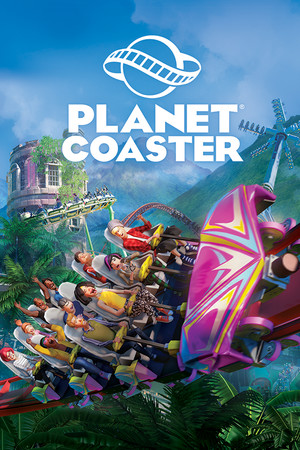
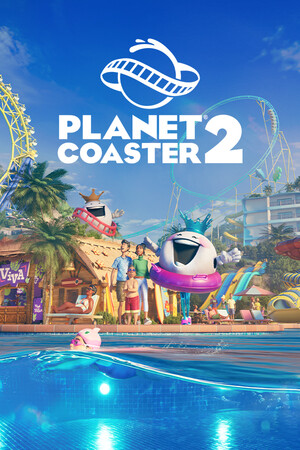
Overly complex vs. Planet Coaster: Players frequently compare the game to Planet Coaster, noting it lacks the same depth in customization, graphics, and architectural complexity. Many find Planet Coaster overwhelming but still prefer its detailed ride decorations and realism.
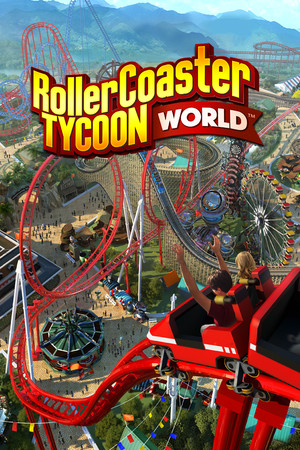
Lacks RollerCoaster Tycoon charm: Players feel the game strays from the RollerCoaster Tycoon (RCT) formula, missing iconic sounds, dramatic accidents, and the 'soul' of RCT2/3. It’s seen as a lesser alternative with a steeper price.
Repetitive and stale gameplay: The game becomes repetitive over time, with a lack of meaningful challenges or variety in strategy. Players report boredom and reduced replayability.
Gameplay and performance
Comprehensive Park Building Tools: Players highlight robust tools for park construction, including path painting, ride placement, and scenery customization. The grid-based or theme park builder mechanics allow for detailed park design and management.
Classic Theme Park Simulation: The game replicates the nostalgic and core mechanics of Roller Coaster Tycoon 1 & 2, including isometric views, ride mechanics, and simulation-style tycoon gameplay. Players frequently compare it to RCT2 and Planet Coaster for its challenges and systems.
Deep Customization and Theming: Players enjoy extensive customization options for rides, decorations, and park layouts. Theming tools, scenery placement, and creative freedom are highlighted as major strengths.
Economic and Park Management: Players must manage park economics, including revenue, purchases, and supply shortages. The simulation includes backstage mechanics, statistics systems, and strategic management tools.
Multiplayer and Cooperative Play: The game supports real-time cooperative multiplayer for up to 8 players, allowing friends and family to build parks together. This feature is frequently mentioned as a key attraction.
Performance issues in large parks: Players experience FPS drops, lag, and stuttering in large or complex parks, especially with high guest counts (e.g., 1500+ guests). This is a recurring issue but less severe than in comparable games like Planet Coaster.
Excellent low-end hardware compatibility: The game is highly optimized for weaker or non-gaming hardware, including older PCs, toasters, and even calculators. Players report smooth performance on low-spec devices, though some note unperformance at minimum requirements.
Crashes and freezes: Occasional game crashes, screen freezes, and forced exits are reported, particularly in longer sessions or with complex park setups. Some players also note graphical bugs and texture glitches.
Poor multi-core optimization: The game struggles with CPU and GPU utilization, particularly lacking multi-core processor optimization. This leads to high CPU usage and underutilized hardware resources.
Multiplayer desync and disconnections: Multiplayer sessions suffer from desynchronization errors and disconnection issues, sometimes linked to same-IP hosting. Secure connections are noted, but stability remains a concern.
Recommendations
Ideal for RCT and park-building fans: Parkitect is widely recommended as a spiritual successor to Roller Coaster Tycoon (RCT) 1 & 2, appealing to fans of classic park-building games. It balances creativity and management without excessive micromanagement, making it a top choice for genre enthusiasts.
Superior management-focused alternative: The game is praised for its manager-focused approach, often considered superior to Planet Coaster for players prioritizing strategy and park operations. It offers a more streamlined experience for those who prefer depth over visual polish.
Fair pricing and value: Reviewers consistently highlight Parkitect’s fair price, calling it worth full price or a strong purchase on sale. Many emphasize its value compared to competitors, especially for fans of the genre.
Accessible for newcomers: The game’s approachable design makes it suitable for both longtime fans and newcomers to the genre. Its intuitive mechanics and balanced difficulty help lower the barrier to entry.
Expansion suggestions for content: Players frequently suggest expansions, such as zoo or water park additions, to diversify gameplay. These requests reflect a desire for more content to extend replayability.
Other review notes
Nostalgia for classic sims: Many players express nostalgia for older city-building or simulation games like Rollercoaster Tycoon 1 and 2. This suggests a desire for similar mechanics or aesthetics in newer titles.
Developer community engagement: Players appreciate the developer's active engagement with the community, which fosters a sense of connection and trust. This is often seen as a positive aspect of the game's ecosystem.
Interest in Korean localization: The planned Korean localization is noted by players, indicating a demand for broader accessibility and inclusivity in the game's audience.
DLC ownership common: Several players mention owning multiple DLCs, suggesting that expansions are a significant part of the game's revenue model and player investment.
Game gifted by family: Some players received the game as a gift, often from family members like their children. This reflects the game's appeal across different age groups or its role as a shared interest.