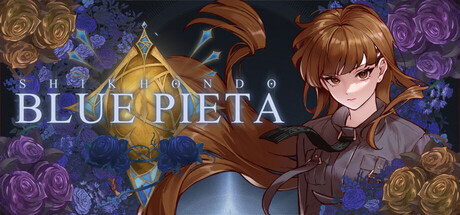
- Gorgeous visuals and art
- Creative boss second phases
- Engaging soul collection mechanic
- Short playtime and content
- High difficulty with unfair moments
- Price too high for content
Emotions
Archetypes
What players like:
Common complaints:
Gameplay feedback:
Performance notes:
Recommendations:
Other player notes:
Similar games
Blend with other games







Review evidence
Why players say this
Review evidence
Why players say this
Steam review verdict
Gorgeous art and creative boss phases shine, but the short runtime, unfair difficulty spikes, and steep price make it hard to recommend at full cost.
What players like
Gorgeous visuals and art: The visuals and art style are frequently praised as gorgeous, beautiful, and a major highlight. The aesthetic quality significantly enhances the overall experience.
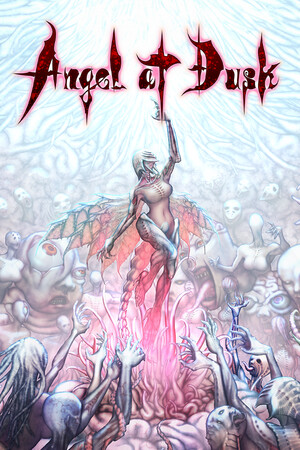
Boss second phases are creative: Bosses have a second phase with transformed, grotesque designs and increased difficulty. These transformations are both creepy and enjoyable, adding challenge and variety.
Good voice acting: Voice acting, including Japanese and full story voiceovers, is praised for adding immersion. Both characters have quality voice performances.
Game is fun and enjoyable: Players consistently report that the game is fun, enjoyable, and worthwhile. This positive sentiment is a strong indicator of overall satisfaction.
Soul collection mechanic is engaging: The soul collection mechanic, which converts enemy bullets into score items, is highlighted as a fun and strategic element. It adds depth to gameplay and scoring.
Common complaints
Short playtime and limited content: The overall playtime is short, with only five stages and little incentive to continue after finishing Arcade and Boss Rush modes. Content volume is average and leaner than previous series entries.
High difficulty with unfair moments: The game is considered very hard, with many beginner-killing moments and dense bullet patterns that are difficult to dodge. Normal difficulty already poses a challenge, and hard difficulty is unbalanced.
Price too high for content: The entry price is seen as relatively expensive, especially given the short playtime and limited content volume. Players feel the game does not offer enough value for the cost.
Unsatisfying combat feedback: Shooting, enemy destruction, and bomb release lack strong feedback, making combat feel less punchy and satisfying. Bombs are particularly underwhelming and lack exhilaration.
Weak story and narrative presence: The story is simple, not outstanding, and lacks a coherent complete narrative. It serves more as an atmosphere supplement than a driving element.
Gameplay and performance
Four game modes available: Players consistently report four distinct game modes: Standard, Boss Rush, Hardcore, and Custom. These modes cater to different play styles and difficulty preferences.
Horizontal bullet hell shooter: The game is widely described as a horizontal-scrolling bullet hell (danmaku) shooter. This genre definition is a core aspect of the game's identity.
Multiple difficulty levels: Players mention three selectable difficulty levels, typically easy, normal, and hard. This provides accessibility for newcomers and challenge for veterans.
Hardcore mode one-hit death: Hardcore mode is characterized by one-hit death and no incremental progression, offering a high-risk, high-reward experience. It also features faster soul gauge charging.
Grazing builds soul gauge: Grazing enemy bullets fills the soul gauge, which is a key mechanic for activating special abilities. This encourages risky play near bullets.
Steam Deck compatibility praised: Players report the game runs well on Steam Deck, indicating good optimization for handheld play. This is a positive note for portability-focused users.
Recommendations
Recommended for bullet hell fans: The majority of feedback recommends the game to fans of bullet hell shooters, highlighting its appeal to genre enthusiasts. This is the most common and specific recommendation across clusters.
Suitable for genre newcomers: Several clusters note that the game is accessible to players new to bullet hell or shooters, with easy modes and continues allowing completion. This broadens the game's appeal beyond hardcore fans.
General positive recommendation: Several clusters simply recommend the game without specific conditions, suggesting overall satisfaction. This includes advice to buy on sale or try if interested.
Appeals to art and music lovers: Feedback emphasizes the game's beautiful art style and music, recommending it to players who value aesthetics in shmups. This is a distinct selling point separate from gameplay.
Anime and voice actor fans: Recommendations for fans of a specific anime and the voice actors from Bocchi the Rock! suggest crossover appeal. This may attract audiences based on talent or franchise connections.
Buying context
Game completion: 1.0h.
Story completion: 1.0h.
Player profiles
Traditional STG Purist: Focuses on grazing bullets to build resources, precise movement, and mastering classic patterns. Motivation: To experience authentic, old-school bullet hell gameplay with traditional mechanics. Stance: buy.
Hardcore Challenge Seeker: Practices relentlessly, memorizes patterns, and aims for no-miss clears. Motivation: To conquer the hardest modes and achieve perfect runs. Stance: buy.
Accessible Newcomer: Uses easier characters and difficulties, relies on auto-aim and continues. Motivation: To enjoy bullet hell without overwhelming difficulty, focusing on fun and aesthetics. Stance: buy.
Other review notes
Sequel to previous Shikhondo title: The game is consistently identified as a sequel in the Shikhondo series, continuing the story from previous entries. It is noted as the second act and third step of the series, developed by Korean studio DeerFarm.
Compared to Touhou Project: The game is frequently compared to Touhou Project in terms of bullet patterns, core mechanics, and overall style, though it is not a Touhou IP derivative. It is also noted as being easier than Touhou and familiar to its players.
Rare bullet hell genre: The game is noted as a rare bullet hell shooter in today's market, a genre once popular in arcades. This rarity adds to its appeal for genre enthusiasts.
Compared to classic shooters: Gameplay is likened to classic shooters like Thunder Force, Raiden, and Cave Shmups, with a focus on timing and score maximization. These comparisons highlight its traditional bullet hell roots.
Voice acting changed to Japanese: Voice acting has shifted from Korean to Japanese, with full voice acting featured. However, there is a noted mismatch between Japanese subtitles and voice.