- Beautiful and relaxing Japanese aesthetic
- New jobs, missions, and quests
- Great new items and furniture
- Japanese-themed DLC map and setting
- Repetitive and rushed jobs
- Poor value for price
Emotions
Archetypes
What players like:
Common complaints:
Gameplay feedback:
Performance notes:
Recommendations:
Other player notes:
Similar games
Blend with other games 81%House Flipper - HGTV DLC
 78%House Flipper - Luxury DLC
 78%House Flipper 2
 77%House Flipper 2 - Scooby-Doo DLC
 77%House Flipper - Dine Out DLC
 76%Hello Kitty Island Adventure - City Town
 76%House Flipper
 75%The Sims™ 4 Snowy Escape Expansion Pack
 75%House Flipper - Garden DLC
 73%House Flipper - Farm DLC
 73%House Builder
 71%Icarus: Art Deco Furniture Pack
Review evidence
Why players say this
Review evidence
Why players say this
Steam review verdict
A beautiful, relaxing Japanese-themed DLC with new jobs, quests, items, and furniture, but the jobs feel repetitive and rushed, making it poor value for the price.
What players like
Sakura DLC Beautiful and Relaxing: Many players find the Sakura DLC visually stunning and relaxing, calling it a masterpiece for cozy design lovers. It perfectly fits the desired vibe.
Japanese Aesthetic Praised: Reviewers consistently highlight the beautiful Japanese architectural style, garden design, and overall aesthetic. The Japanese theme is a major draw for players.
Great New Items and Furniture: Players love the new items, furniture, and equipment added in the DLC. They find the items solid and the buildings and furniture fantastic.
Best House Flipper DLC Yet: Reviewers consider this DLC the best so far in the House Flipper series, praising new functions, tools, and items as a refreshing upgrade. It fits perfectly into the House Flipper universe.
Fun Quests and Good Content: The actual quests are considered fun and pleasant, and the overall content is very good. Many find it a worthy addition to the game.
Common complaints
Repetitive and Rushed Jobs: Many jobs feel repetitive, rushed, and overly simple, focusing on cleaning and minor tasks. This reduces enjoyment and engagement.
Poor Value for Price: Reviewers feel the DLC is overpriced for the amount of content provided, with many stating it's not worth the price. This is a recurring theme across clusters.
Culturally Inaccurate and Stereotypical: The DLC's depiction of Japan is seen as stereotypical and inaccurate, with mistakes in architecture and language. This offends some players.
Disappointing Added Properties: The new properties are often small, repetitive, and not enjoyable to flip, with some requiring excessive work. Buyers are also picky and hard to please.
Insufficient Jobs and Content: The DLC only offers 4-5 jobs, which players find insufficient and superficial. This lack of content is a major complaint.
Gameplay and performance
New jobs, missions, and quests: The DLC adds a variety of jobs and missions, including cleaning, trash pickup, remodeling, and decorating tasks across houses, schools, and commercial buildings. Completing these jobs unlocks the ability to purchase properties.
House buying, flipping, and building: Players can buy and sell houses, flip properties, and build homes from scratch or with prefabs. The DLC includes empty lots, purchasable houses, and a buyer system with specific requests.
Extensive Japanese-themed items and furniture: Over 600 new items are added, including shoji screens, fusuma, tatami, zen gardens, minimalist furniture, and traditional decorations. Interior and exterior items range from tea sets and pottery to bamboo gates and stone lanterns.
New mechanics: assembly and placement systems: New mechanics include an assembly mode with tiered assemblies for building structures, and a system for placing doors and windows with pre-placed indicators. Some windows and doors require correct orientation to function.
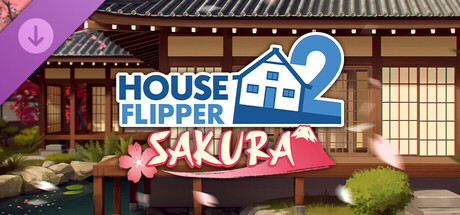
Japanese-themed DLC map and setting: The DLC is set in a new Japanese-inspired map featuring traditional buildings, scenery, and a village atmosphere. It includes locations like a tea house, an onsen area, and an anime-style school.
Frequent Crashes and Freezes: Multiple players report that the game crashes or freezes regularly, often making it unplayable. The issue appears in various situations, including after reaching the school and during normal gameplay.
DLC Causes Performance Issues: After installing the DLC, players experience increased crashes, lag, and stuttering. This suggests the DLC introduces significant stability and performance problems.
Some Players Report No Issues: A few players report that the game runs without any problems, indicating that the issues may not affect everyone. This contrast highlights potential system-specific factors.
Recommendations
Worth Buying for Japan Fans: Many reviewers recommend the DLC for players who love Japanese architecture, culture, or themed design. They highlight building realistic Japanese homes and items as a major draw.
Wait for a Sale: A recurring theme is that the DLC is not worth full price and should be purchased on discount. Reviewers suggest waiting for 50-60% off or buying only if you really want the new items.
Strong DLC Recommendation: Many reviewers highly recommend the DLC and consider it a must-buy, especially for fans of the base game. They express enthusiasm and would buy future DLC.
Not Worth Buying: Several reviewers explicitly state the DLC is not worth the price and cannot recommend it. They often cite lack of value or that it is not essential.
Bugs and Stability Concerns: Some reviewers advise waiting for patches or updates if bugs or minor hiccups affect gameplay. They recommend avoiding the DLC until it is fixed or stable.
Buying context
Community fair range: $10.00 - $20.00.
Story completion: 10.0h.
Session length: 3.0h.
Endgame: 15.0h.
Players report the game is addicting at first, but it can become repetitive and boring later, especially in some packs and locations. Added content like the Sakura DLC can reduce repetition for some, but not all.
Friction: Repetitive gameplay; Too-easy difficulty; Tedious large levels; Lackluster background script; Empty-feeling packs; Key-finding focus.
Unlock drivers: New Sakura DLC adds more to explore; Content variety makes gameplay feel less repetitive.
Player profiles
Achievement Completionist: Grinding job and house tasks, replaying co-op sessions, and trying to satisfy picky buyers for achievement completion. Motivation: Earning the K.O achievement and fully completing DLC objectives. Stance: no buy.
Japanese Aesthetic Decorator: Building and decorating Japanese-style homes at a relaxed pace, focusing on aesthetics over challenge. Motivation: Enjoying Japanese-themed architecture, scenery, and decorative items. Stance: buy.
Value-Conscious DLC Shopper: Evaluating jobs, houses, and map size against the base game; waiting for discounts before buying. Motivation: Getting enough new content and value for the DLC price. Stance: deep sale.
Extra review signals
Monetization: The reviewed feedback centers on the Sakura DLC for House Flipper. Complaints focus on DLC content quantity, price-to-value, achievement gating behind paid DLC, comparisons to prior DLC, and grindy achievements. No review provides direct evidence of real-money microtransactions, loot boxes, gacha pulls, paid power, paid convenience, currency obfuscation, or an in-game cash shop. The only monetization issue is the one-time paid DLC and its perceived value, which cannot push the score above 20 under the audit overrides.
Other review notes
Scooby-Doo DLC favored over Sakura: Many reviewers compare the Sakura DLC unfavorably to the Scooby-Doo DLC, citing the latter as more unique, mysterious, fleshed out, and fun. They also note the Scooby-Doo DLC offers more content, buildings, and better value for a similar price.
Japan-themed setting and aesthetics: The DLC is set in Japan, featuring a Japanese aesthetic with cherry blossoms, Mount Fuji views, and locations like Akamatsu Valley. Reviewers appreciate the immersive Japanese culture and strong love for Japan evident in the design.
Short length and limited content: Reviewers frequently mention that the DLC is short, with only a few jobs and limited playtime, often finishable in a day. It has 4-5 jobs and about 10 hours of content, which is modest compared to the base game and other DLCs.
Comparison to House Flipper 1 DLC: Reviewers compare this DLC to those from House Flipper 1, with some saying the first game's DLC offered better value and more furniture, while others call it the best House Flipper DLC so far. It is also compared unfavorably to House Flipper 1's design element puzzles.
Price considered too high for content: Some reviewers feel the DLC is overpriced relative to the amount of content provided, while others consider it a good value or bargain. Pricing opinions are mixed.